LIFESTYLE
Thin but at Risk of Fatty Liver? Study Raises Concerns About One Common Kitchen Ingredient
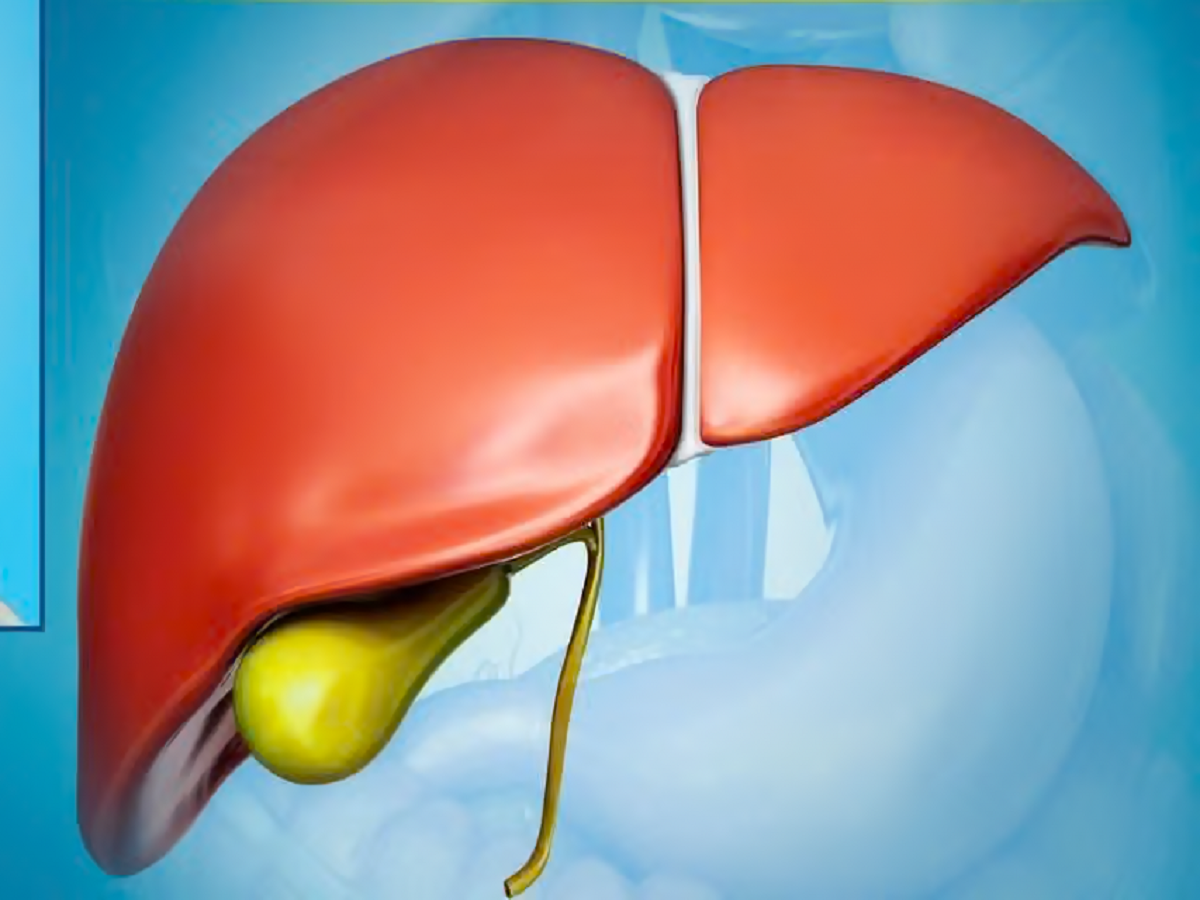
Fatty liver disease is often associated with obesity, excess body fat and unhealthy lifestyle habits. However, people with a normal body weight can also develop this condition. Because they may appear physically healthy, they might not realise that their liver could be at risk.
Emerging research has drawn attention to another dietary factor that deserves consideration: excessive salt intake. A study involving mice suggests that a high-salt diet may contribute to liver inflammation and scarring even in the absence of obesity.
These findings offer new insights into lean fatty liver disease, a condition in which excess fat accumulates in the liver of people who are not overweight. However, the results need to be interpreted carefully because research conducted on animals does not automatically establish the same effects in humans.
What Did the Study Discover?
Researchers from Duke-NUS Medical School in Singapore and University College London developed a diet-based mouse model to investigate fatty liver disease in individuals without obesity.
In the experiment, mice were fed a high-salt diet to examine how excessive salt consumption affected their livers. The researchers observed changes associated with liver inflammation and scarring, suggesting that high salt intake may influence liver health independently of obesity.
The findings could help scientists better understand why lean fatty liver disease may develop through different biological pathways from fatty liver disease associated with obesity.
However, this was an animal study. Further research in humans is needed to establish whether excessive salt intake directly causes lean fatty liver disease and to determine the extent of the risk.
How Could Excess Salt Affect the Liver?
Salt is an essential part of the human diet, but consuming too much can have several adverse health effects. The researchers' findings suggest that excessive dietary salt may alter liver metabolism and contribute to processes associated with inflammation and tissue damage.
Over time, persistent liver inflammation can lead to fibrosis, a condition in which scar tissue develops in the liver. In advanced cases, progressive liver damage can impair liver function.
It is important to understand that these outcomes were investigated in a mouse model. They should not be interpreted as proof that eating salty food will inevitably cause liver damage in thin people.
Why Can Thin People Develop Fatty Liver?
Having a normal body weight does not necessarily mean that every organ is healthy. Fatty liver disease can develop in people who are not overweight because of several possible contributing factors.
These include:
-
Insulin resistance or type 2 diabetes.
-
High triglyceride levels and other metabolic abnormalities.
-
Genetic susceptibility.
-
Poor dietary patterns and excessive consumption of certain foods.
-
Low physical activity and fat accumulation around internal organs.
In some individuals, metabolic problems can occur even when their body mass index falls within the normal range. This is one reason why doctors assess more than body weight when evaluating liver health.
Where Does Hidden Salt Come From?
Many people assume that most of their salt intake comes from the salt added during cooking. In reality, packaged and processed foods can contribute substantial amounts of sodium to the daily diet.
Common sources include:
1. Packaged chips and snacks: Salted chips, namkeen and other savoury snacks can contain considerable amounts of sodium.
2. Pickles and papad: These traditional accompaniments can add significant amounts of salt to an otherwise balanced meal.
3. Instant noodles and packaged soups: Ready-to-eat products often contain added salt for flavour and preservation.
4. Sauces and condiments: Certain bottled sauces, seasoning mixes and dressings can contribute hidden sodium.
5. Processed and restaurant foods: Fast food, packaged meals and restaurant dishes may contain more salt than expected.
Checking nutrition labels and comparing sodium content between products can help you make more informed choices.
How Much Salt Should Adults Consume Daily?
The World Health Organization recommends that adults consume less than 2,000 milligrams of sodium per day, equivalent to less than 5 grams of salt from all dietary sources. This is approximately one level teaspoon of salt in total, not one teaspoon in addition to the salt already present in food.
Reducing excessive salt intake is particularly important for controlling blood pressure and lowering cardiovascular risk. Although the direct relationship between salt intake and lean fatty liver disease requires further human research, limiting excess salt is a sensible step towards better overall health.
Practical Ways to Protect Your Liver
A healthy liver depends on several factors rather than a single dietary change. Consider these everyday habits:
-
Reduce the frequency of highly salted packaged snacks and processed foods.
-
Eat a balanced diet containing vegetables, fruits, whole grains, pulses and appropriate sources of protein.
-
Exercise regularly and maintain a healthy waist circumference.
-
Monitor blood sugar, cholesterol and triglyceride levels when recommended.
-
Limit alcohol consumption, and avoid it if medically advised.
-
Consult a healthcare professional if you have risk factors for liver disease or concerns about your liver health.
Fatty liver disease can occur without obvious symptoms, so a person's appearance alone cannot establish whether their liver is healthy. A doctor may recommend blood tests, imaging or other investigations based on individual risk factors.
The Bottom Line
A study involving mice has raised questions about how excessive salt intake may affect liver health in people who are not overweight. The findings are important for research, but they do not establish that salt directly causes fatty liver disease in thin humans.
What is already clear is that excessive salt can contribute to high blood pressure and other health problems. Reading food labels, limiting heavily salted processed foods and following a balanced lifestyle are practical ways to support overall health while scientists continue investigating the connection between salt and lean fatty liver disease.