LIFESTYLE
These things are necessary to keep the blood thin, otherwise the risk of these diseases increases

You must have heard many times that it is very important for the blood to flow thin and clean in the body. But do you know that due to the lack of some things, our blood can become thick? When the blood becomes thick, it cannot flow easily in the veins of the body. This can cause serious problems like heart attack, stroke and blood clotting. Let us know why this happens and how we can avoid it.
Why does blood thicken?

Our blood should have the right proportion of red blood cells, platelets and plasma. When this proportion deteriorates, the blood becomes sticky and thick. There can be many reasons behind this, but the biggest reason is the lack of certain nutrients. When these things decrease in the body, the quality of the blood is affected and it starts thickening.
Lack of these things makes the blood thick
Water shortage
When there is a lack of water in the body, the volume of blood decreases. This causes the blood to thicken and flow slowly in the veins. You must have noticed that in summer or when we drink less water, we feel tired and weak. One reason for this can also be thickening of the blood.
Iron deficiency
Iron helps our body to make hemoglobin. Hemoglobin is what carries oxygen from the lungs to every part of the body. When there is iron deficiency, hemoglobin is produced less and the oxygen level in the blood drops. This causes the blood to thicken and we may have trouble breathing.
Vitamin B12 and Folate Deficiency
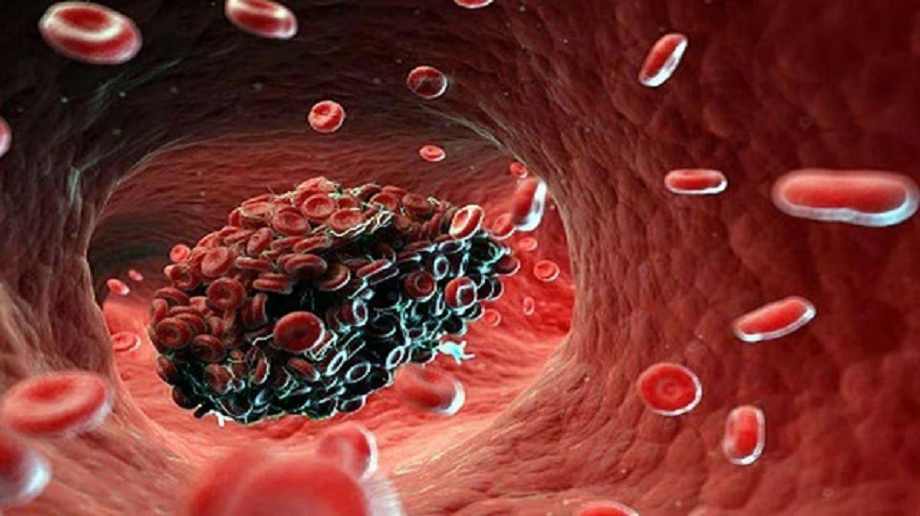
Both these vitamins help in making red blood cells in our body. When there is a deficiency of these, red blood cells are not formed properly. This leads to poor quality of blood and thickening of blood as well as an increased risk of clotting.
Omega-3 fatty acid deficiency
Omega-3 fatty acid is a nutrient that helps in keeping the blood thin. It makes the blood flow smooth. When there is a deficiency of omega-3 in the body, the viscosity of the blood increases and it starts thickening.
Vitamin E deficiency
Vitamin E is a natural blood thinner. It prevents blood clotting. When there is a deficiency of vitamin E in the body, the blood starts clotting quickly and the risk of thrombosis (blood clot) increases.
The risk of these diseases increases
When the blood thickens, it opens the door to several serious illnesses:
Heart Attack: Thick blood can cause blockage in the heart arteries, increasing the risk of heart attack.
Brain stroke: A blood clot can reach the brain and block blood flow, causing a stroke.
Deep vein thrombosis (DVT): This is a condition in which a blood clot forms in the veins of the legs.
High blood pressure: Thick blood puts extra pressure on the arteries, which can increase blood pressure.
Protect yourself like this
We can take some simple measures to prevent thickening of blood
Drink enough water: Drink at least 8-10 glasses of water daily. Increase this amount in summer.
Take a balanced diet: Make sure to include green vegetables, fruits, fish and dry fruits in your diet.
Don't skip the nutrients: Eat foods rich in iron, vitamin B12, folate and omega-3.
Stay away from harmful habits: Avoid smoking and alcohol consumption.
Exercise regularly: A 30-minute walk or light exercise every day improves blood flow.
Keep your weight under control: Obesity can also be a cause of thickening of blood.
What does the doctor say?
"Blood thickening is not a minor problem. When the body lacks water or essential nutrients, the risk of blood clots increases manifold. People should avoid dehydration, eat a balanced diet and get regular health checkups. If symptoms like fatigue, shortness of breath or chest pain appear, one should immediately contact a doctor."
Thickening of blood is a dangerous condition that can lead to many serious diseases. Lack of water, vitamins and essential nutrients is the main reason for this. But the good thing is that we can reduce this risk by adopting a balanced diet and healthy lifestyle at the right time. Understand the signals of your body and consult a doctor if needed.
Disclaimer: This information is based on research studies and expert opinion. Do not take it as a substitute for medical advice. Before adopting any new activity or diet, consult your doctor or concerned specialist.
PC:PunjaB kesari