LIFESTYLE
The Sweet Yet Bitter Story of Soan Papdi: India’s Most Gifted (and Re-Gifted) Diwali Dessert
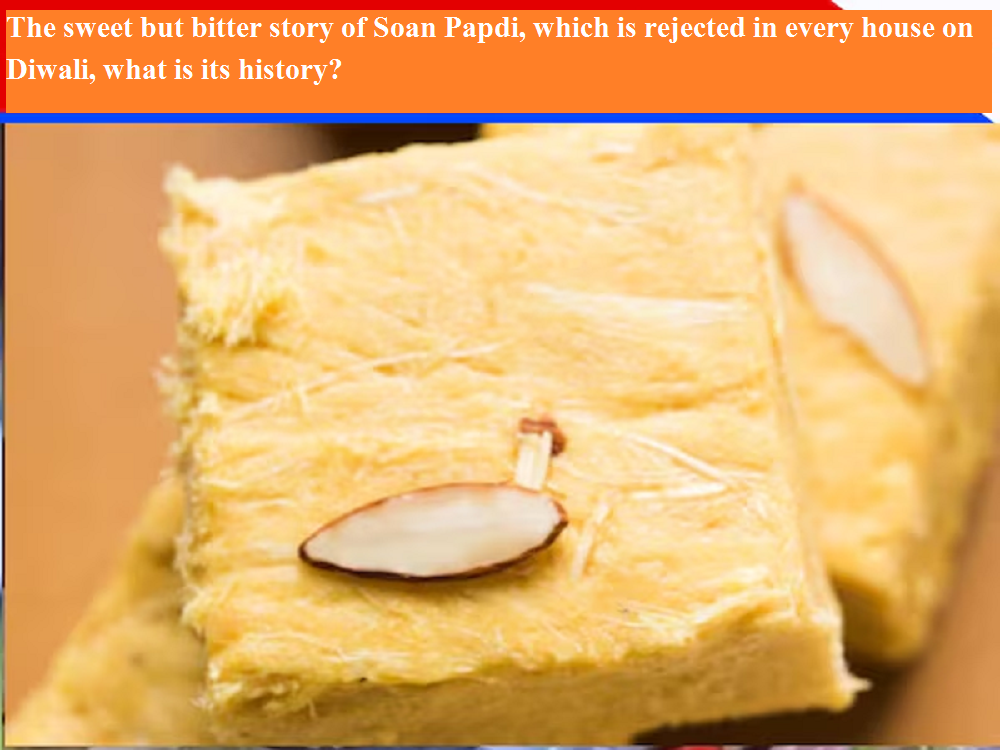
As Diwali lights up homes across India, one particular sweet takes center stage — not just on tables, but also in jokes and memes. Yes, we’re talking about Soan Papdi, the crispy, flaky dessert that seems to appear in every gift box, only to be passed from one household to another. Yet behind this lighthearted reputation lies a fascinating story — a tale of tradition, transformation, and timeless taste.
More Than Just a Diwali Sweet
Every festive season, Soan Papdi floods markets across India. It’s affordable, easy to store, and boasts a long shelf life, making it a favorite choice for gifting during Diwali. But its popularity extends far beyond the festival season — Soan Papdi is sold year-round at railway stations, bus stands, and airports across the country.
Unlike traditional milk-based sweets, Soan Papdi requires no milk, which helps it stay fresh for weeks. Food experts say this quality, combined with its low production cost and high yield, made it one of India’s most commercially successful sweets.
So, while Soan Papdi is a Diwali staple, its journey doesn’t end there — it’s a dessert that quietly represents Indian innovation and culinary craftsmanship.
From Patisa of Punjab to Modern Soan Papdi
The roots of Soan Papdi trace back to Punjab, where its ancestor, the Patisa, was a traditional delicacy. Making Patisa was no easy task — it involved stretching and folding sugar syrup repeatedly, a process that required skill and strength. The result was a sweet with delicate, silky threads that melted in the mouth.
Over time, as culinary styles evolved, Patisa transformed into what we now know as Soan Papdi — a lighter, more refined, and easier-to-produce version of the original. This evolution made the sweet accessible to a wider audience, eventually becoming a household name across India.
Persian Influence: A Connection to “Pashmak”
Some culinary historians link Soan Papdi’s origin to Persian dessert traditions, particularly to a sweet called Pashmak, which literally means “like wool” in Persian. Much like Soan Papdi, Pashmak is known for its soft, fibrous texture that resembles spun silk or cotton candy.
It is believed that Persian traders introduced Pashmak to India during the 19th century, especially in port cities like Mumbai. Over time, Indian confectioners adapted the recipe, blending local ingredients and techniques to create what became the uniquely Indian Soan Papdi.
The sweet’s delicate layers, airy texture, and subtle sweetness reflect this fusion of Persian artistry and Indian craftsmanship — a perfect symbol of how India embraces and transforms global influences into something distinctly its own.
A Sweet That Everyone Loves to Tease
Despite its rich history, Soan Papdi has achieved meme-worthy fame in modern times. On social media, it’s often portrayed as the sweet that “travels” from one home to another during Diwali, as unopened gift boxes get passed along without ever being tasted.
This light-hearted teasing, however, only underscores how deeply Soan Papdi is woven into Indian festive culture. It’s a sweet everyone recognizes — and despite the jokes, one that almost every Indian home ends up with each Diwali.
The Legacy of Soan Papdi
From its humble beginnings in Punjab’s kitchens to its global presence in sweet shops and gift hampers, Soan Papdi has come a long way. It stands as a reminder of India’s culinary adaptability — a sweet that’s both traditional and timeless.
So the next time you receive a golden box of Soan Papdi this Diwali, maybe think twice before re-gifting it. Inside that flaky sweetness lies a story as rich and layered as the dessert itself — a journey that connects generations, regions, and even cultures.