LIFESTYLE
The Summer Paradox: Why Binge-Eating Litchis Can Be Dangerous, and the Right Way to Enjoy Them
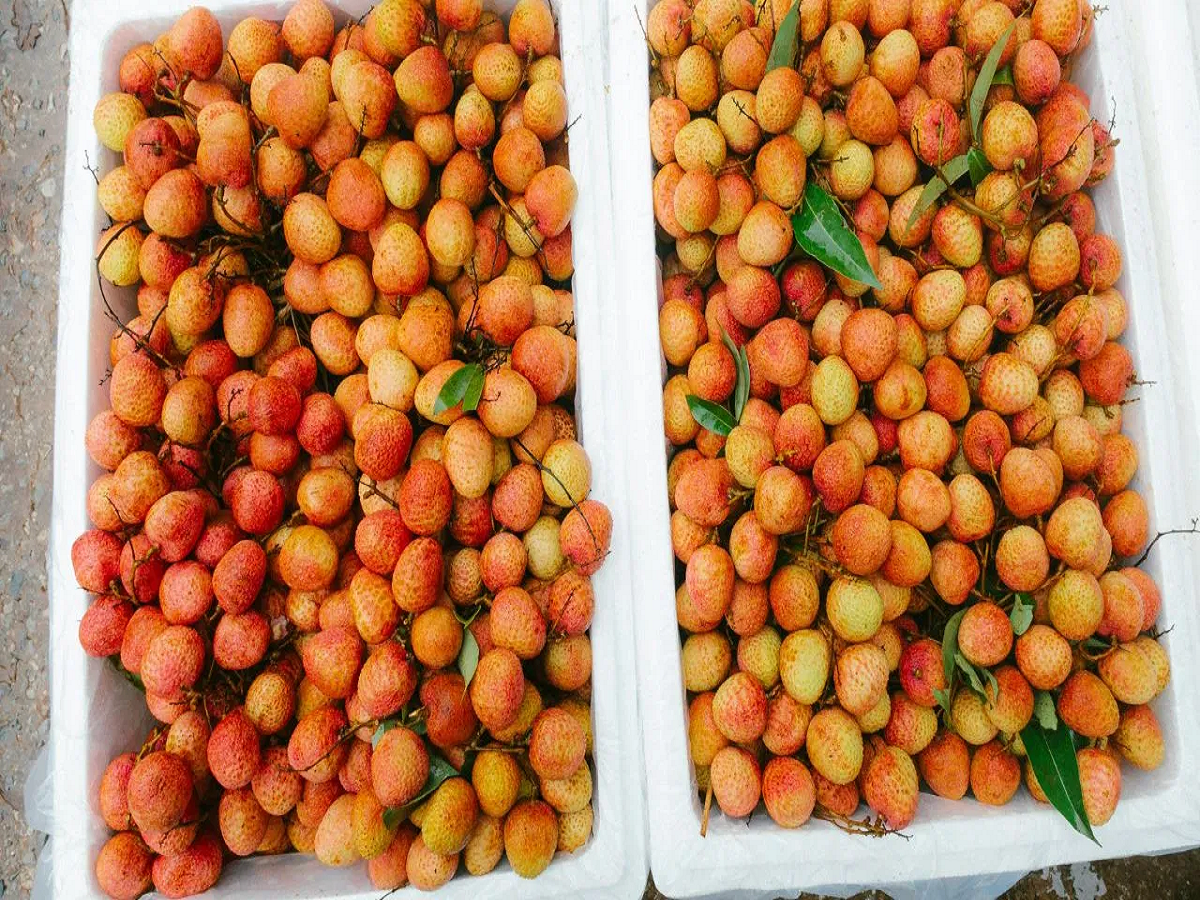
Biting into a juicy, sweet litchi is one of the greatest pleasures of the scorching summer season. Beyond being incredibly delicious and refreshing, these translucent fruits are a powerhouse of essential nutrients. They are naturally packed with Vitamin C, dietary fiber, potassium, and vital antioxidants that help maintain hydration levels and boost your immune system.
However, beneath its sweet and innocent exterior, this seasonal delight carries a hidden health risk. Medical and traditional experts warn that overindulging in litchis—or consuming them at the wrong time—can trigger sudden, adverse metabolic reactions in the body. Certain natural compounds in litchis can dramatically interfere with your blood sugar regulation, leading to acute weakness, severe dizziness, or metabolic distress.
The Hidden Danger: What Happens If You Overindulge?
According to Ayurveda expert Dr. Kiran Gupta, while litchis are undeniably excellent for seasonal hydration, excessive consumption is a direct invitation to health complications.
The biggest risk factor lies in eating litchis on an empty stomach. Unripe or large quantities of litchis contain specific natural toxins that can block the body's ability to synthesize glucose. This can lead to a dangerous, sudden drop in blood sugar levels (hypoglycemia) or unexpected spikes, leaving you feeling unexpectedly weak, fatigued, lightheaded, or plagued by throbbing headaches.
Furthermore, because litchis are dense in natural sugars and fiber, eating them in excess can overwhelm a sensitive gastrointestinal tract, causing severe stomach pain, painful gas, acute diarrhea, or sudden skin allergies.
The Golden Rules of Eating Litchis Correctly
To safely enjoy the seasonal benefits of this fruit without landing in a medical emergency, experts recommend practicing a few simple consumption habits:
-
Stick to the Daily Limit: Limit your daily intake to just 8 to 10 litchis a day. This portion size provides all the necessary Vitamin C without overloading your liver or bloodstream with excess fructose.
-
Never Go Empty-Stomach: Always eat litchis as a mid-day snack or after a balanced meal. Never introduce them into an empty digestive tract first thing in the morning.
-
The Room Temperature Rule: If you store your litchis in the refrigerator to keep them fresh, avoid eating them ice-cold. Take them out and let them naturally return to room temperature before peeling them, as this is gentler on your digestive system.
-
Cleanliness First: Always wash the outer spiked shells thoroughly under running water before peeling to remove any hidden organic impurities or pesticide residues.
Who Needs to Exercise Extra Caution?
While healthy individuals can easily enjoy a moderate handful, certain groups of people must approach litchi season with extreme care:
-
Diabetic & Hypoglycemic Patients: Anyone actively managing fluctuating blood sugar levels should strictly limit their portions or consult their healthcare provider before indulgence.
-
Young Children: Children have smaller glycogen reserves in their livers, making them highly vulnerable to sudden blood sugar drops. Parents should always monitor and strictly limit the number of litchis given to kids.
-
Individuals with Weak Digestion: If you are already prone to bloating, acid reflux, or irritable bowel symptoms, eating heavy, sugary fruits like litchi can aggravate your condition.
The Bottom Line: Nature's summer gifts are meant to nourish us, provided we respect their potency. Litchis are an exceptional tool to beat the summer heat and strengthen your immunity, but moderation remains your absolute shield. By avoiding empty-stomach snacking and capping your daily intake to 8-10 pieces, you can safely enjoy the sweet taste of summer without compromising your health.