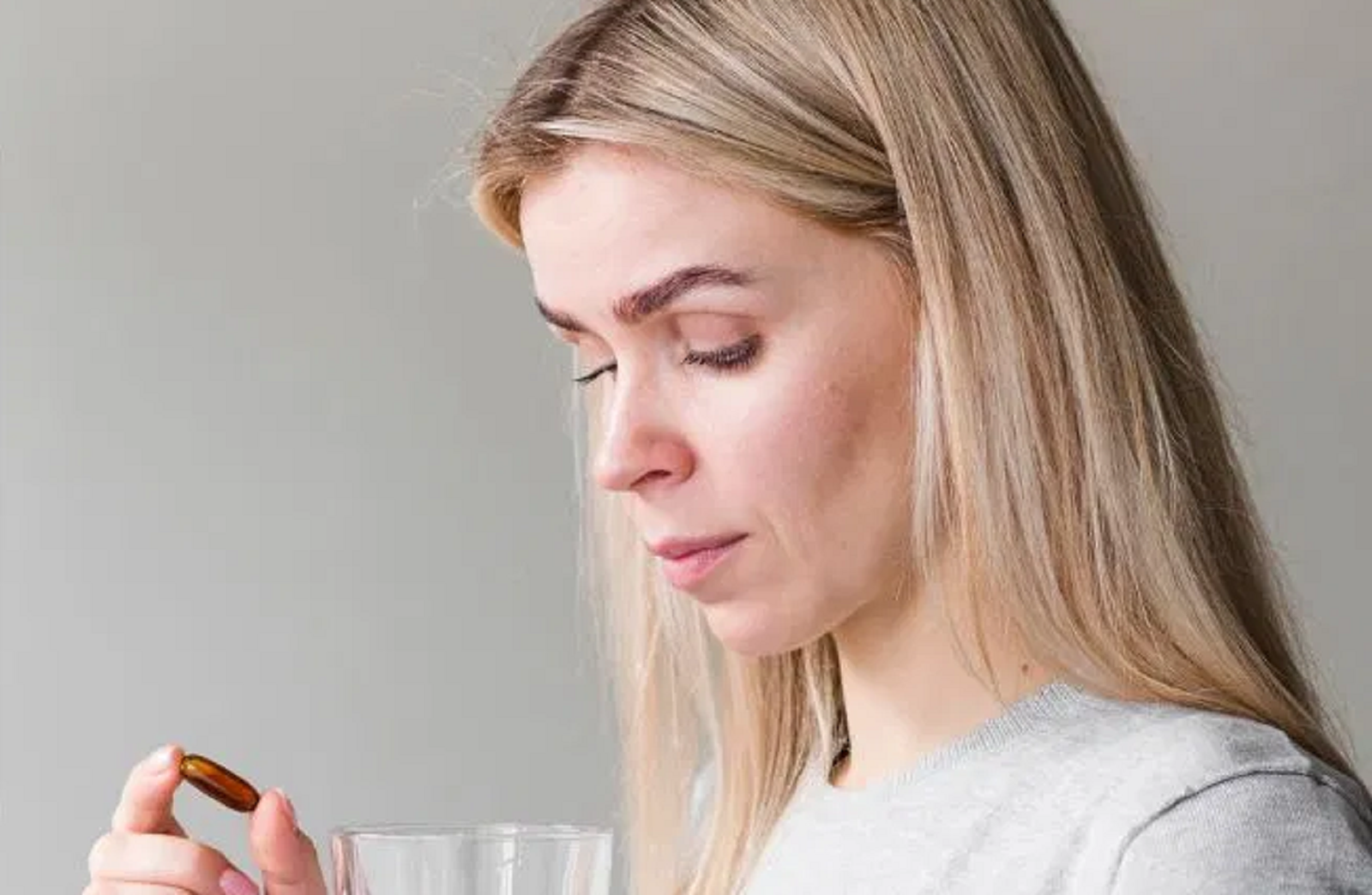
In recent years, the habit of self-medication — taking medicines without consulting a doctor or based on Google searches — has become increasingly common. Whether it’s a simple headache, fever, or cough, many people immediately turn to over-the-counter medicines from local pharmacies, assuming they’ll recover faster. However, this practice is far more dangerous than it appears. According to health experts, self-medication and incorrect dosage can lead to serious health issues such as drug resistance, organ damage, or even life-threatening side effects.
Narendra Kumar Sharma, a pharmacist at Ghaziabad District Hospital, explains that taking medicines without medical advice can be extremely harmful. “People often continue medicines for longer or shorter durations than prescribed,” he says. “For instance, if an antibiotic is supposed to be taken for five days but is stopped after three days or continued for seven, it can lead to antibiotic resistance.” This means that the medicine becomes ineffective over time, forcing doctors to use stronger drugs in the future, which can have more severe side effects.
Sharma emphasizes that pharmacists play a crucial role in preventing such misuse. Many medicines that should only be sold with a prescription are often given freely over the counter. He believes there should be stricter laws to prevent pharmacists from dispensing antibiotics or prescription drugs without a valid prescription. Furthermore, trained pharmacists must guide people on the correct dosage, timing, and possible side effects. Proper education about medication use can help prevent overdoses and ensure that patients complete their courses correctly.
With the growing popularity of online medicine shopping, the risk of counterfeit or substandard drugs has also increased. Sharma warns that while purchasing from verified pharmacy websites registered with the CDSCO is generally safe, ordering medicines through random social media links or unverified sellers can be dangerous. Such medicines may not contain the right ingredients or dosage, posing serious health threats. He recommends that people buy medicines from trusted, nearby medical stores or official online platforms only.
To avoid falling victim to fake medicines, always inspect the packaging before purchase. Check the batch number, expiry date, and manufacturer details, and make sure the packaging is intact and not tampered with. Many pharmaceutical companies now include QR codes on their packaging — scanning these codes helps confirm authenticity. If anything looks suspicious or outdated, do not purchase or consume the medicine.
In summary, self-medication may seem like a quick fix but can cause long-term harm to your health. Medicines should always be taken under a doctor’s supervision, with the correct dosage and duration. Being cautious and well-informed is the best way to protect yourself from the silent dangers of improper medication use.