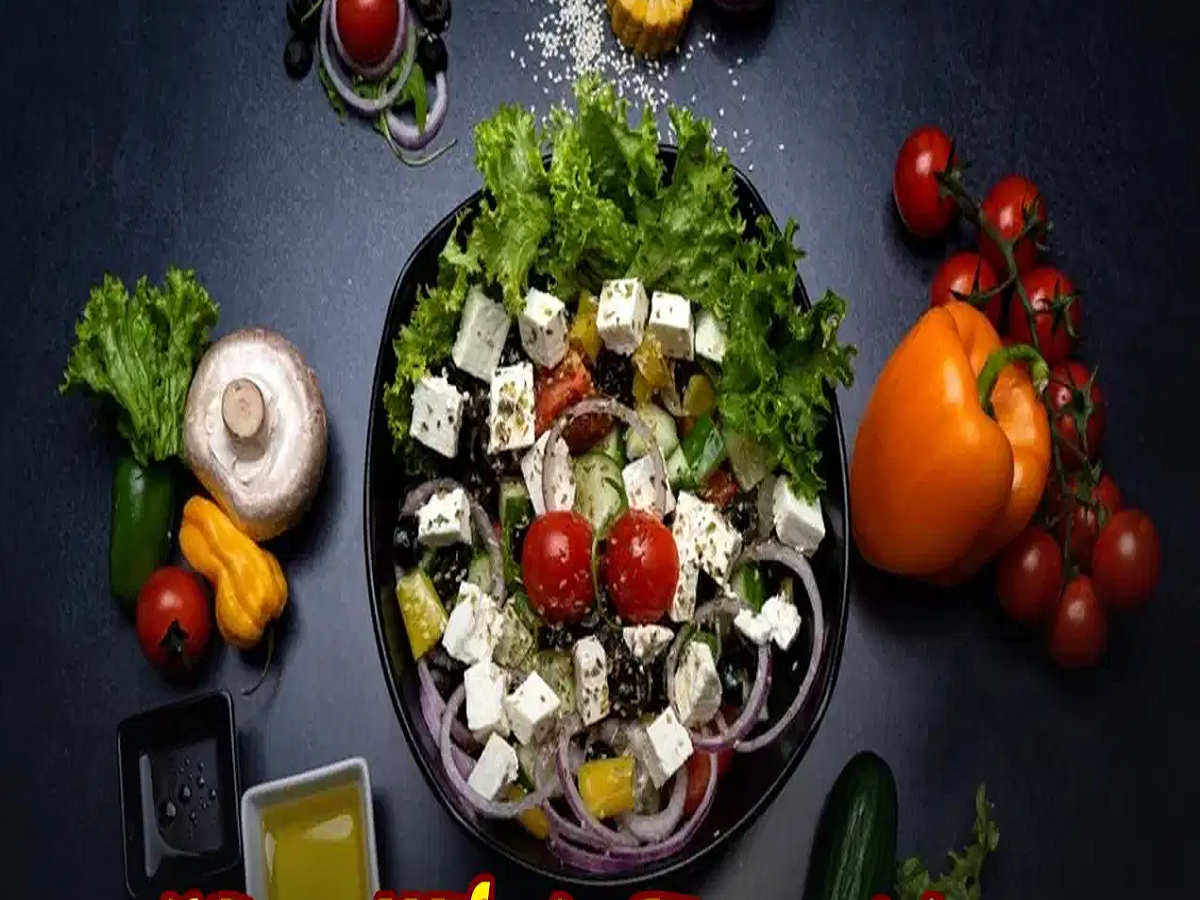
Paneer, a favorite among vegetarians and non-vegetarians alike, offers a nutritious source of protein, calcium, good fats, and vitamins. Its popularity spans from everyday meals to festive occasions like weddings and Diwali celebrations. However, the market has increasingly seen the rise of fake cheese made by mixing starch and harmful chemicals.
Experts warn that fake cheese may contain baking soda, palm oil, flour, detergent, and even dangerous substances like coal tar dye, urea, and sulfuric acid. Senior dietitian Fareha Shaneem explains that consumption can cause digestive issues such as stomach upset, vomiting, diarrhea, and bloating. Chemicals like starch and detergents can trigger skin allergies and, over long-term exposure, may increase risks of diabetes, weight gain, liver, kidney damage, and even cancer.
How to Spot Fake Cheese at Home
-
Flame Test: Place a piece on low flame. If it emits a kerosene or plastic smell, it likely contains detergents.
-
Texture Test: Genuine paneer is soft, while fake paneer feels hard or rubbery.
-
Taste Test: Fake cheese might taste sour, chewy, or soapy.
-
Water Immersion Test: Place cheese in warm water; genuine paneer remains intact, while fake cheese may dissolve or produce foam.
Eating small quantities occasionally might not harm you, but regular consumption of adulterated paneer or cheese can lead to severe health complications. Always source cheese from trusted vendors and carry out these simple checks to safeguard your health.