LIFESTYLE
The Ghee Debate: Is Cooking with Desi Ghee Safe? Experts Reveal the Best Way to Fuel Your Body
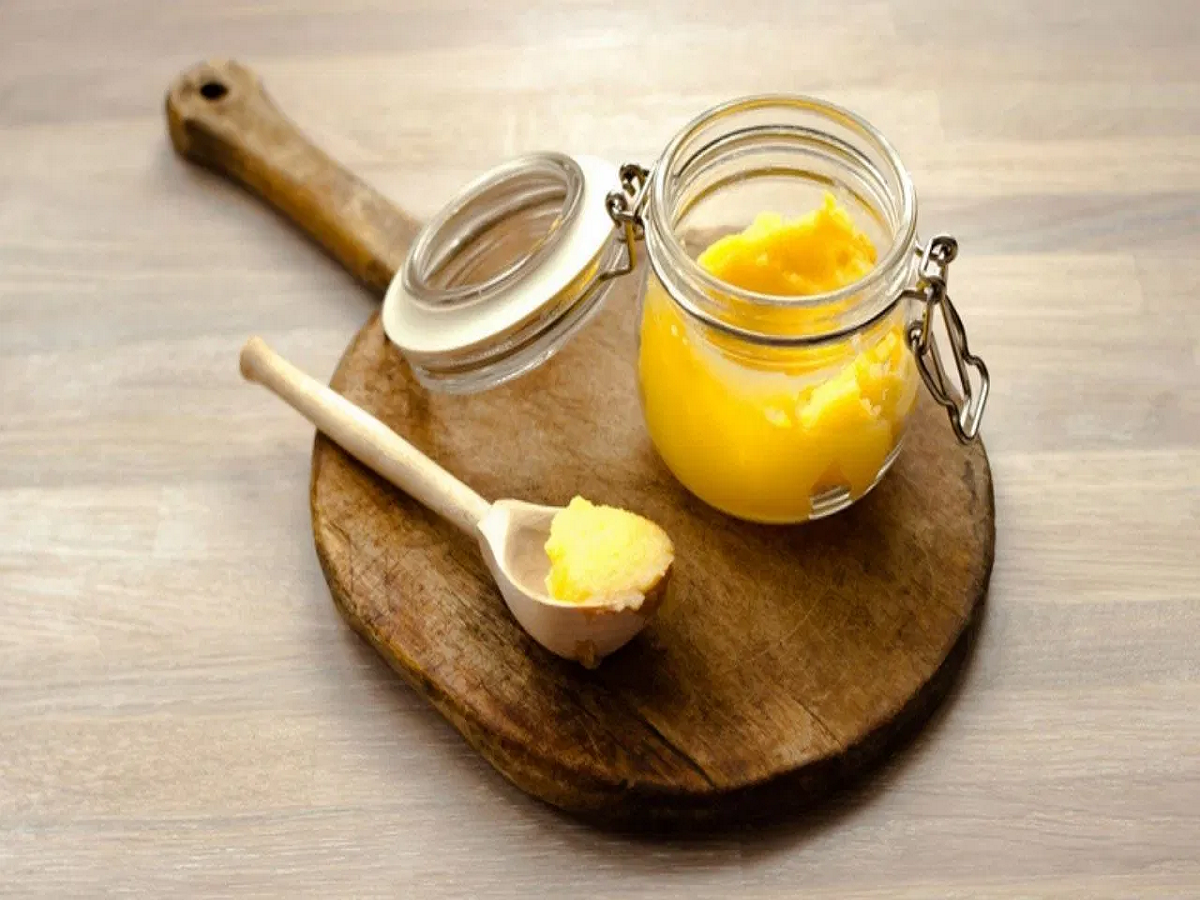
Desi ghee is the golden heart of the Indian kitchen. From that final sizzle of tadka on dal to the generous dollop on a hot roti, it is as much a cultural staple as it is a culinary one. However, as modern health consciousness grows, a vital question has surfaced: Does high-heat cooking turn this healthy fat into a health hazard?
While ghee is celebrated for its medicinal properties in Ayurveda, understanding how heat affects its molecular structure is key to reaping its full benefits. Here is what health experts have to say about cooking with desi ghee.
The Smoke Point Advantage
According to Dr. Fareha Shanam, senior dietitian at Ganga Ram Hospital, ghee is actually one of the safest fats for Indian cooking.
-
The Science: Ghee has an impressively high smoke point of 260°C (500°F). This means it can withstand high temperatures—like those used in sautéing and shallow frying—without breaking down into harmful free radicals as easily as many vegetable oils or butter.
-
The Verdict: Cooking with ghee is safe, provided it is managed correctly.
The Hidden Dangers of Reheating
While ghee is stable, it isn't invincible. The real health risk arises not from the first cook, but from repeated heating.
-
Oxidative Stress: When ghee is reheated multiple times at high temperatures, it undergoes a process called oxidation. Consuming oxidized fats can increase oxidative stress in the body, which is linked to inflammation and various chronic issues.
-
Nutrient Loss: Ghee is a powerhouse of Vitamins A, D, E, and K, along with healthy fats. Prolonged exposure to intense heat can diminish these heat-sensitive vitamins, stripping the ghee of its "superfood" status.
Expert Tips for Healthy Consumption
To enjoy the rich flavor of ghee without compromising your wellness, experts recommend the following guidelines:
-
Moderation is Key: Aim for 1 to 2 teaspoons of pure desi ghee daily. This is the "sweet spot" for heart and digestive health.
-
Control the Flame: Use a medium flame rather than a high one to preserve the maximum amount of nutrients.
-
The "Raw" Benefit: Whenever possible, add ghee as a finishing touch (on top of steaming rice or rotis) rather than cooking it for a long duration. This ensures the vitamins remain completely intact.
-
Avoid Deep Frying: While it’s possible to deep fry in ghee, it is generally better suited for shallow frying or tempering to avoid the risks associated with repeated heating.
The Bottom Line
Desi ghee remains a nutritional champion in the world of fats. As long as you avoid smoking it out on a high flame and stick to fresh portions rather than reusing old, heated oil, it continues to be a safe and healthy addition to your daily diet.