For years, passwords have been the primary way to protect online accounts. Whether logging into social media, banking applications, email or shopping websites, users have relied on passwords to keep their personal information secure. However, remembering multiple passwords and protecting them from hackers has become increasingly difficult.
Now, a new technology called Passkeys is gaining popularity. Supported by major technology companies, passkeys aim to make online authentication simpler while offering stronger protection against several common cyberattacks.
What Exactly Are Passkeys?
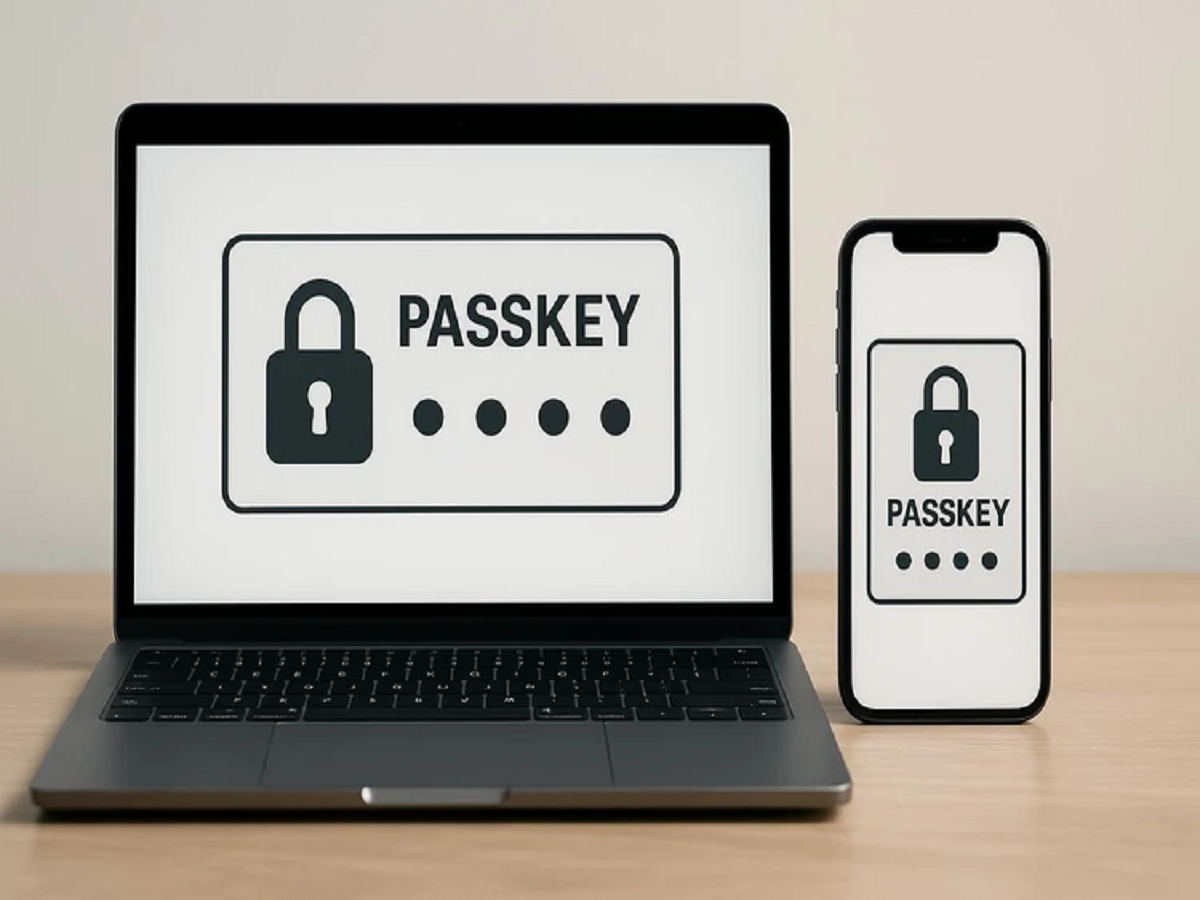
Passkeys are a modern alternative to traditional passwords. Instead of asking users to remember a combination of letters, numbers and special characters, they allow people to sign in using their device's built-in security features.
Depending on the device and service, authentication can happen through a fingerprint, facial recognition or a screen lock such as a PIN.
Passkeys use cryptographic technology involving two related digital keys. One remains securely stored on the user's device, while the other is registered with the online service. The private key is not shared with the website during login.
How Do Passkeys Work?
The process is designed to be straightforward:
-
A user creates a passkey for a supported website or application.
-
The device securely stores the private key.
-
During login, the website sends a verification request.
-
The user approves the request using their device's security method.
-
The device completes the authentication without revealing the private key.
This means users do not have to type or remember a traditional password every time they sign in.
Why Are Technology Companies Promoting Passkeys?
Traditional passwords can be stolen through phishing websites, data breaches or reused across multiple accounts. Weak passwords also make accounts easier to compromise.
Passkeys are designed to address several of these problems.
Better protection against phishing: Passkeys are linked to the legitimate website or application for which they were created, making it much harder for fake websites to misuse them.
No passwords to remember: Users can authenticate through their device rather than memorising complicated combinations.
Stronger authentication: The private key remains protected on the device, reducing the risk of password theft.
Can You Use Passkeys on Any Smartphone?
Passkey support is available across many modern devices and platforms, including supported Android and Apple devices, as well as compatible browsers and applications.
However, availability depends on the operating system, browser and online service. Some websites still rely on traditional passwords, while others offer passkeys alongside existing login methods.
Users may also be able to synchronise passkeys across trusted devices through supported password managers or platform accounts.
Are Passkeys Completely Safe?
Although passkeys offer significant security advantages, they are not a guarantee against every possible cyber threat.
Users still need to protect their devices, keep software updated and use reliable account recovery options. Losing access to a device can also create difficulties if passkeys have not been securely backed up or synchronised.
Will Traditional Passwords Disappear?
Passkeys could gradually replace passwords for many online services, but a complete transition is unlikely to happen immediately. Millions of websites and applications still depend on traditional authentication systems.
For now, both methods are expected to coexist as more companies introduce passwordless login options.
The Future of Online Security
Passkeys represent an important shift in how people access their digital accounts. Instead of relying on something users must remember, authentication increasingly depends on secure technology built into their devices.
As adoption grows, logging into online accounts could become both simpler and safer. The password may not disappear overnight, but its long-standing position as the default method of online security is beginning to change.