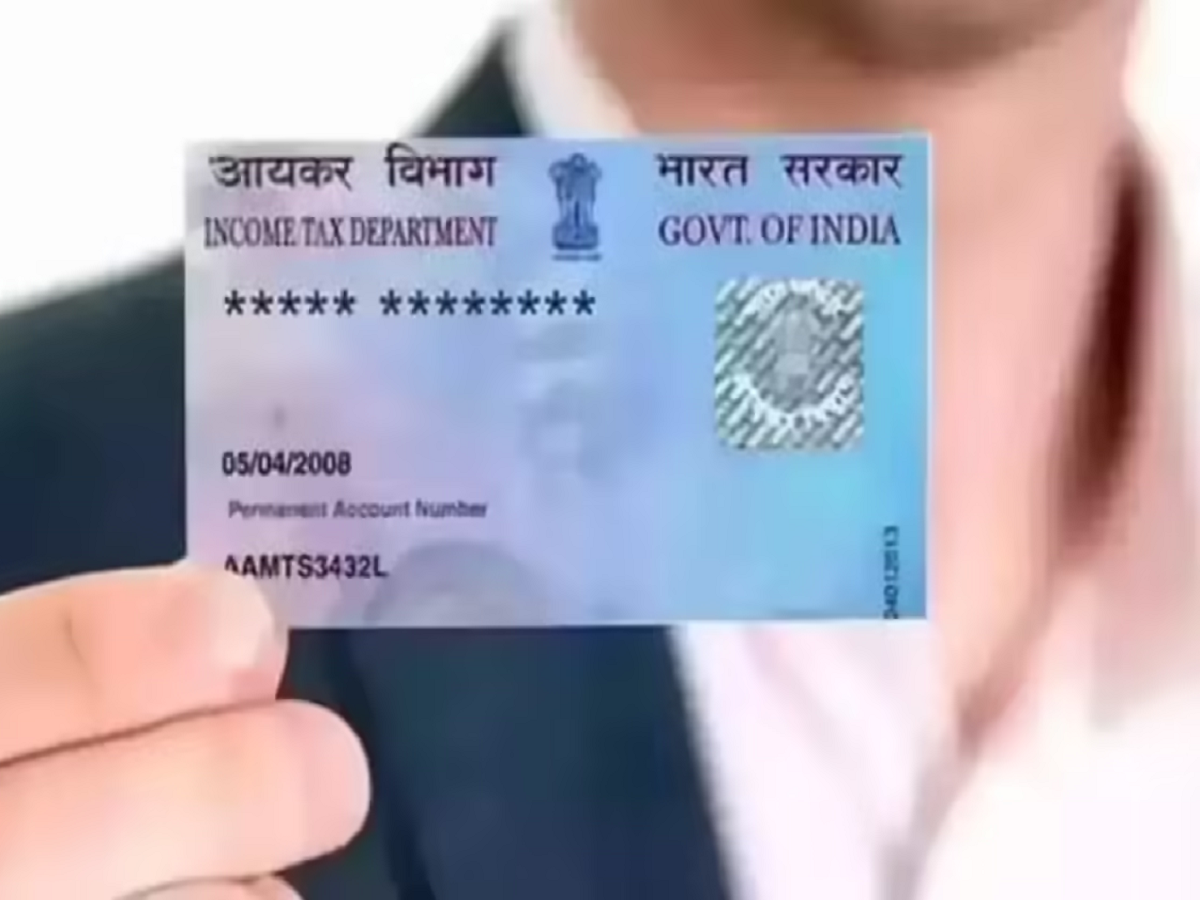
For nearly a decade, getting a Permanent Account Number (PAN) card in India was a matter of minutes. Thanks to the instant e-PAN facility launched in 2017, millions of citizens generated their tax identities using nothing more than an Aadhaar number and a mobile OTP.
That era has officially ended. Under the newly implemented Income Tax frameworks, the structural shift brings tighter verification protocols, completely redesigned forms, and revised limits for high-value cash transactions.
Here is everything you need to know about navigating the new document compliance matrix.
1. The "Aadhaar-Only" Route is Discontinued
The automated, single-document route for new PAN applications or updates is no longer active. To prevent identity fraud and ensure data integrity, applicants must now provide independent, official proof of their Date of Birth (DoB) alongside their Aadhaar card.
The automated validation system has also eliminated manual review overrides for minor spelling discrepancies. If the name, initials, spacing, or gender details do not match your Aadhaar records exactly, the application is instantly rejected by the portal.
2. Say Goodbye to Form 49A: The New Designations
As part of the structural modernization, the legacy application forms have been entirely replaced. The Income Tax Department has introduced a brand-new alphanumeric numbering system:
-
Form 93 & Form 94: Replaces the old Form 49A for Indian citizens, corporate entities, and local companies.
-
Form 95 & Form 96: Replaces Form 49AA for foreign citizens, non-resident entities, and foreign non-individuals.
Using the older formats will result in an immediate processing failure, as processing centers have completely transitioned to the new compliance forms.
3. The New Supporting Document Matrix
When submitting an application under the updated guidelines, you must keep additional government-issued verification ready. Accepted supplementary documents include:
-
Birth Certificate
-
Matriculation (Class 10) Marksheet or Passing Certificate
-
Voter ID Card
-
Valid Passport
-
Driving License
-
Magistrate-issued Identity Affidavit
4. Financial Silver Lining: Revised Transaction Thresholds
While the onboarding process has become heavier on documentation, the government has balanced the scales by raising the financial reporting thresholds for standard consumer transactions. This reduces the compliance burden on everyday taxpayers.
| Transaction Type | Old PAN Limit | New 2026 PAN Limit |
| Property Purchases / Sales | ₹10 Lakh | ₹20 Lakh |
| Vehicle Purchases | All Transactions | Above ₹5 Lakh |
| Hotel or Luxury Travel Bills | ₹50,000 | Above ₹1 Lakh |
| Annual Cash Deposits | Variable | Exceeding ₹10 Lakh |
Critical Checklist for Existing Cardholders: If your PAN is not linked to your Aadhaar, it has likely been rendered inoperative. To reactivate it, a standard penalty of ₹1,000 applies via the Income Tax e-filing portal under the "Other Receipts (500)" payment code. Reactivation can take anywhere from 7 to 30 days following UIDAI biometric or OTP validation.
Would you like me to tailor this into a specific style—such as a quick-hitting financial news piece, a step-by-step citizen guide, or focus more heavily on the business compliance angle?