NATIONAL
Supreme Court Seeks Centre, Election Commission’s Reply on Lifetime Immunity from Prosecution to Election Commissioners
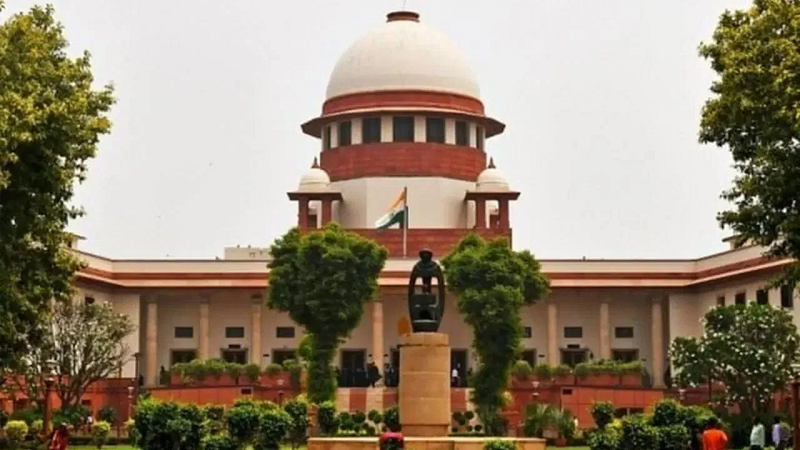
The Supreme Court of India has agreed to examine the constitutional validity of a law that grants lifelong immunity from prosecution to the Chief Election Commissioner (CEC) and Election Commissioners. The court has issued notices to the Central Government and the Election Commission of India, seeking their responses within four weeks.
The matter came up on a petition filed by the non-governmental organisation Lok Prahari, which has challenged the provision granting protection from criminal prosecution to election commissioners even after they demit office. The Supreme Court observed that it will examine whether such immunity— which is not available to constitutional authorities like the President or Governors—can be extended to the Election Commission.
The hearing was conducted by a bench headed by Chief Justice Surya Kant. The bench issued notices to the Centre, the Election Commission, and other concerned parties, asking them to file their replies within four weeks.
What the law says
The law in question was introduced by the Modi government in 2023 and passed by both Houses of Parliament. It provides that no court shall take cognisance of any offence, nor can any FIR or legal proceeding be initiated, against the Chief Election Commissioner or Election Commissioners for acts done in the discharge of their official duties. This protection extends not only during their tenure but also after retirement.
The provision was enacted in the backdrop of a previous Supreme Court ruling and aims to protect election officials from legal action related to decisions, statements, or proceedings connected with elections.
Why the law is being challenged
In its petition, Lok Prahari has argued that granting blanket immunity, even after a commissioner leaves office, is unjustified and undermines accountability. The NGO has contended that while protection during tenure may be reasonable, completely barring legal action even for alleged wrongdoing disturbs the balance between independence and responsibility.
The law has also faced political opposition. The Congress party had strongly objected to the provision during parliamentary debates, particularly the clause exempting former election commissioners from prosecution.
With the Supreme Court now stepping in, the responses of the Centre and the Election Commission will be closely watched. The outcome of the case could have significant implications for the accountability framework governing constitutional authorities in India.