ENTERTAINMENT
Sunny Deol's Suryaa Poster Sparks Debate: Why Are Bollywood Heroes Still Glamorising Smoking on Screen?
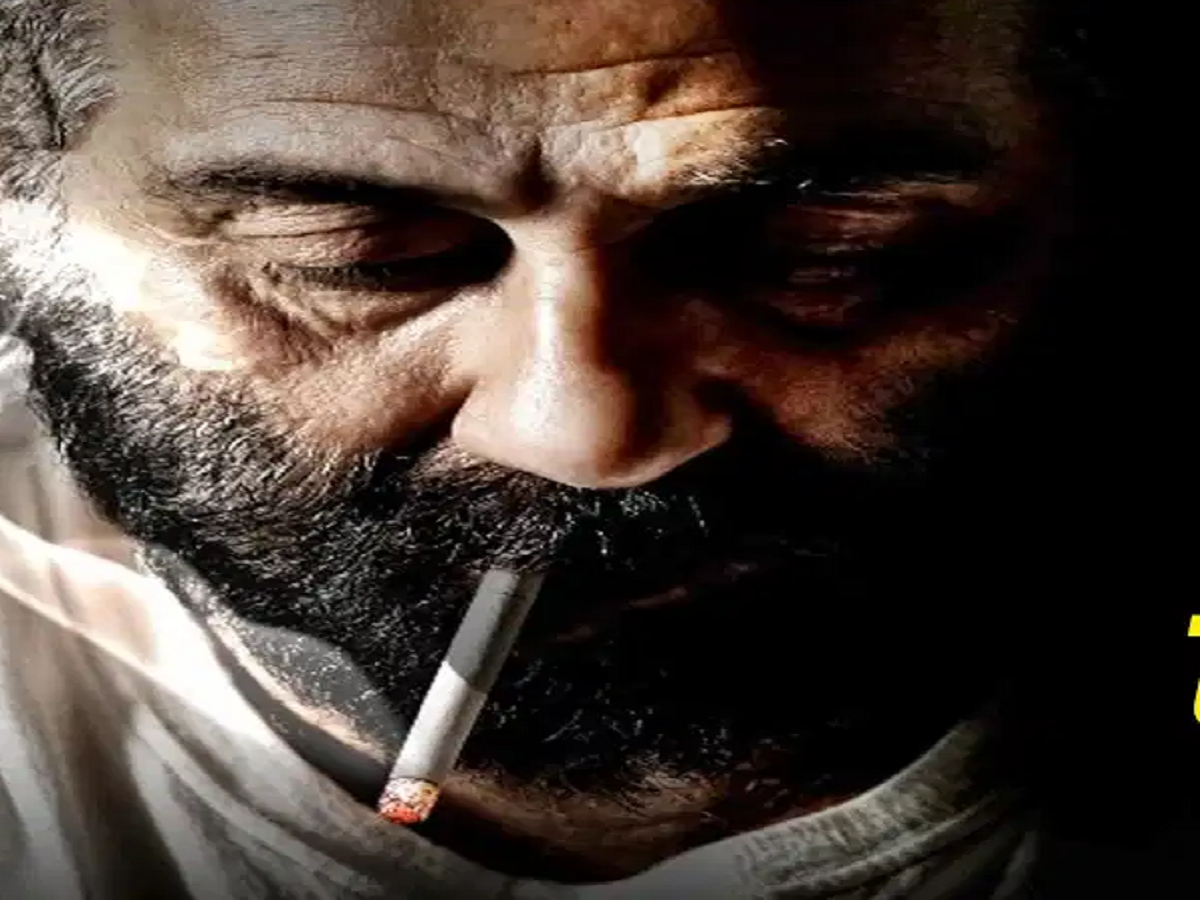
Sunny Deol is known for his powerful action sequences, commanding dialogue delivery and patriotic roles. However, his latest look in Suryaa has revealed a different side of the veteran actor. The film's poster shows him exhaling cigarette smoke, sporting a troubled expression that hints at a character haunted by his past.
The intense appearance has sparked curiosity about the film's storyline and Sunny's role. At the same time, it has reignited a familiar debate: why do filmmakers continue to portray smoking as a symbol of style, power and emotional depth when its harmful effects are well established?
Directed by M. Padma Kumar and produced by Kamal Mukut, who was also associated with Gadar 2, Suryaa is reportedly a crime thriller. Its poster suggests a darker, more introspective character than the action-packed roles audiences traditionally associate with Sunny Deol.
Suryaa: Sunny Deol's Attempt to Break Away From His Action-Hero Image
Sunny Deol has spent decades building an identity around intense performances, larger-than-life action and memorable dialogue. Films such as Border and Gadar established him as one of Hindi cinema's most recognisable action stars.
In recent years, however, the actor has also explored roles that demand a different emotional range. Suryaa appears to follow that direction, presenting him as a man burdened by his past rather than simply an invincible action hero.
The film is reportedly a remake of the 2018 Malayalam crime thriller Joseph, which starred Joju George in a widely praised performance. If the remake follows a similar narrative, audiences may see Sunny in a layered role involving crime, investigation and personal tragedy.
The film is scheduled for release on November 20, 2026, according to the report. Its actual storyline and Sunny's interpretation of the character will become clearer when the film reaches theatres.
Why Has Sunny Deol's Smoking Look Become a Talking Point?
A cigarette in a film poster can communicate several things at once: stress, rebellion, authority, loneliness or a troubled state of mind. In Suryaa, the smoking image appears intended to reinforce the character's dark and emotionally complex personality.
However, the choice also raises questions about how such imagery influences audience perceptions. When a popular actor is shown smoking in a striking or stylish manner, the scene can make the habit appear attractive, even if the character's circumstances are fictional.
This does not mean every smoking scene automatically encourages tobacco use. Context matters. A scene that portrays addiction, distress or the consequences of smoking can communicate a very different message from one that presents cigarettes as an essential part of a hero's personality.
The concern arises when repeated images of smoking turn a harmful habit into an effortless symbol of confidence, sophistication or masculinity.
From Villains to Anti-Heroes: The Changing Image of Smoking in Hindi Cinema
Smoking has long been used as a visual shortcut in Indian films. In older Hindi cinema, villains were often shown holding cigarettes or cigars to establish their wealth, authority or intimidating personality.
Actors such as Pran, K. N. Singh and Prem Chopra appeared in roles where smoking could reinforce a character's menacing image. Cigars and cigarettes were also associated with wealthy or influential characters.
The symbolism gradually changed as film narratives began exploring morally complicated protagonists. Smoking increasingly became a way to depict characters dealing with frustration, emotional turmoil, rebellion or inner conflict.
Performers such as Dev Anand were associated with a distinctive screen persona, while Shatrughan Sinha and Rajinikanth helped turn certain gestures and mannerisms into recognisable cinematic styles. Cigarette tricks and dramatic lighting techniques sometimes became signature elements of a character's presentation.
Today, smoking appears in films featuring both heroes and anti-heroes. The character may be violent, conflicted, powerful or unpredictable, with the cigarette serving as an additional visual marker of that identity.
The question is whether filmmakers need to rely on this familiar device when acting, dialogue, cinematography and storytelling can communicate the same emotions.
The Debate Around Smoking in Films Like Toxic
The depiction of smoking in recent big-budget films has attracted renewed criticism. The report points to Toxic, starring Yash, as an example of a film in which repeated cigarette and cigar imagery became a talking point.
Such portrayals raise a broader issue for the film industry. When smoking appears repeatedly throughout a film, viewers may begin to associate it with a character's strength, style or authority, even when health warnings are displayed.
The presence of an on-screen warning does not necessarily eliminate the impact of the imagery itself. A disclaimer may communicate the medical risk, while the visual presentation simultaneously makes the behaviour appear appealing.
This creates a tension between artistic freedom and public responsibility. Filmmakers need the freedom to portray flawed characters, including those who smoke. At the same time, they can consider whether every smoking scene contributes meaningfully to the narrative or merely repeats a familiar cinematic convention.
Sunny Deol's Ramayana Role Adds Another Dimension
Sunny Deol is also expected to portray Hanuman in Namit Malhotra's Ramayana, which the report says is scheduled for release around Diwali on November 5, 2026.
The contrast between a revered mythological character and a troubled, cigarette-smoking protagonist highlights the versatility actors are expected to demonstrate. An actor can portray vastly different personalities without necessarily endorsing their behaviour.
Audiences, too, can distinguish between an actor and the fictional characters they play. Nevertheless, stars with large fan followings have a public platform that makes the way certain behaviours are presented worth examining.
The discussion should therefore focus less on whether Sunny Deol is entitled to play such a role and more on how the film uses smoking to tell its story.
Does Showing Smoking on Screen Really Matter?
Smoking is a leading preventable cause of disease, and tobacco use carries serious health risks. Cinema cannot be held solely responsible for people's smoking habits, but popular films can influence perceptions of what appears fashionable, powerful or socially desirable.
The impact depends on how smoking is portrayed, how often it appears and whether the narrative presents its consequences. A brief scene that establishes a character's addiction or distress is different from repeatedly using cigarettes as a visual accessory to make a protagonist look impressive.
There is no universal number of seconds or scenes that automatically makes a portrayal acceptable. Instead, filmmakers can ask a more useful question: does this moment advance the story, reveal something important about the character or contribute to the film's themes?
If the answer is no, the scene may be unnecessary.
The Final Question: Can Bollywood Create Powerful Characters Without Glamorising Smoking?
Sunny Deol's Suryaa poster has once again brought attention to cinema's long relationship with cigarettes and cigars. For some viewers, the image may be an effective introduction to a complex character. For others, it represents an overused cinematic device that continues to give smoking an undeserved aura of style.
Both artistic expression and public health deserve consideration. Actors should be able to portray complicated, imperfect characters, but filmmakers can make deliberate choices about how harmful behaviour is framed.
Ultimately, a memorable character should be defined by the strength of the performance, the depth of the writing and the impact of the story—not simply by how dramatically they exhale cigarette smoke.