BUSINESS
Smart PDS: How the New "SARTHAK-PDS" System Uses AI to Secure Your Family's Ration Allocations
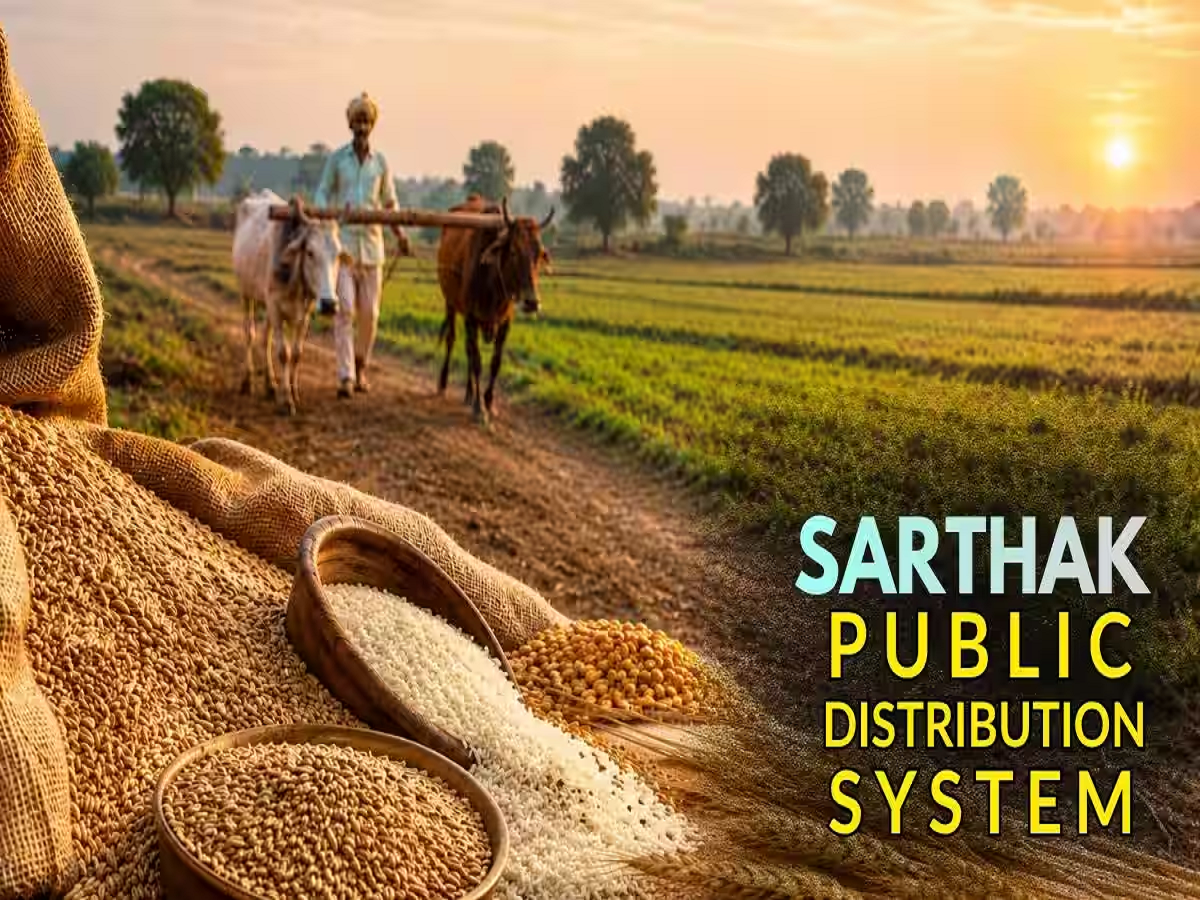
The Union Cabinet has approved a major technological upgrade to India's food security network under the newly integrated umbrella initiative, SARTHAK-PDS.
Building on the foundation of mandatory Aadhaar linking, this updated platform moves public distribution away from static paper records. By deploying advanced automation, the system aims to make the Public Distribution System (PDS) fully intelligent, secure, and cross-border ready for everyday families.
Here is exactly how the technological shift works and what you need to look out for on your next visit to a Fair Price Shop (FPS).
1. The Core Upgrades: What is SARTHAK-PDS?
The new system shifts operations to a cloud-based architecture driven by automated data cross-checks. Instead of local shop owners manually managing grain ledgers, the national architecture uses backend machine learning to track food grains from central storage depots directly to your kitchen.
Key Operational Targets
-
Zero Identity Fraud: The system runs real-time deduplication to flag and automatically remove frozen or overlapping ration accounts.
-
Predictive Supply Routing: The technology monitors local family consumption trends to ensure Fair Price Shops never run out of essential grains like wheat and rice during peak periods.
-
Transparent Transactions: Every single gram of ration distributed is logged instantly to a central dashboard, cutting down on illegal tracking leakages.
2. Smart PDS vs. Legacy Ration Check Systems
The update completely re-engineers how citizens interact with ration distribution machinery at local outlets:
| Feature / Scenario | The Old PDS Setup | The New Smart PDS Setup |
| Authentication Failures | Rough or faded fingerprints caused manual overrides, often leading to arguments or denial of rations. | Multi-factor verification backups, including secure iris scans and mobile OTP fallbacks. |
| Portability Performance | Migrant workers had to rely on offline lists, which delayed food grain distribution outside home states. | Instantaneous cross-state authorization via unified central databases. |
| Receipts & Tracking | Paper receipts that were easily lost or frequently altered by vendors. | Instant Digital Slips: Automated SMS alerts sent straight to your Aadhaar-linked phone detailing weights and exact prices. |
3. Prerequisite Checklist for Smooth Grain Collection
To prevent the updated system from flagging your family account during automatic sweeps, ensure your documents are completely aligned:
-
Active Mobile Seeding: Ensure the mobile number linked to your family's primary Aadhaar card is active to receive transaction slips and security OTPs.
-
Biometric Freshness: If the elderly members or children in your family haven't updated their fingerprints at an Aadhaar center in the last five years, complete a biometric refresh to avoid sensor rejection at the shop.
Action Plan: How to Transact Seamlessly Under the New Rules
Navigating the updated shop environment is straightforward if you complete your verification steps in the correct order.