BUSINESS
Smart Meter Shock: Why Your Electricity Bill Might Be Higher (And Is the Meter Actually at Fault?)
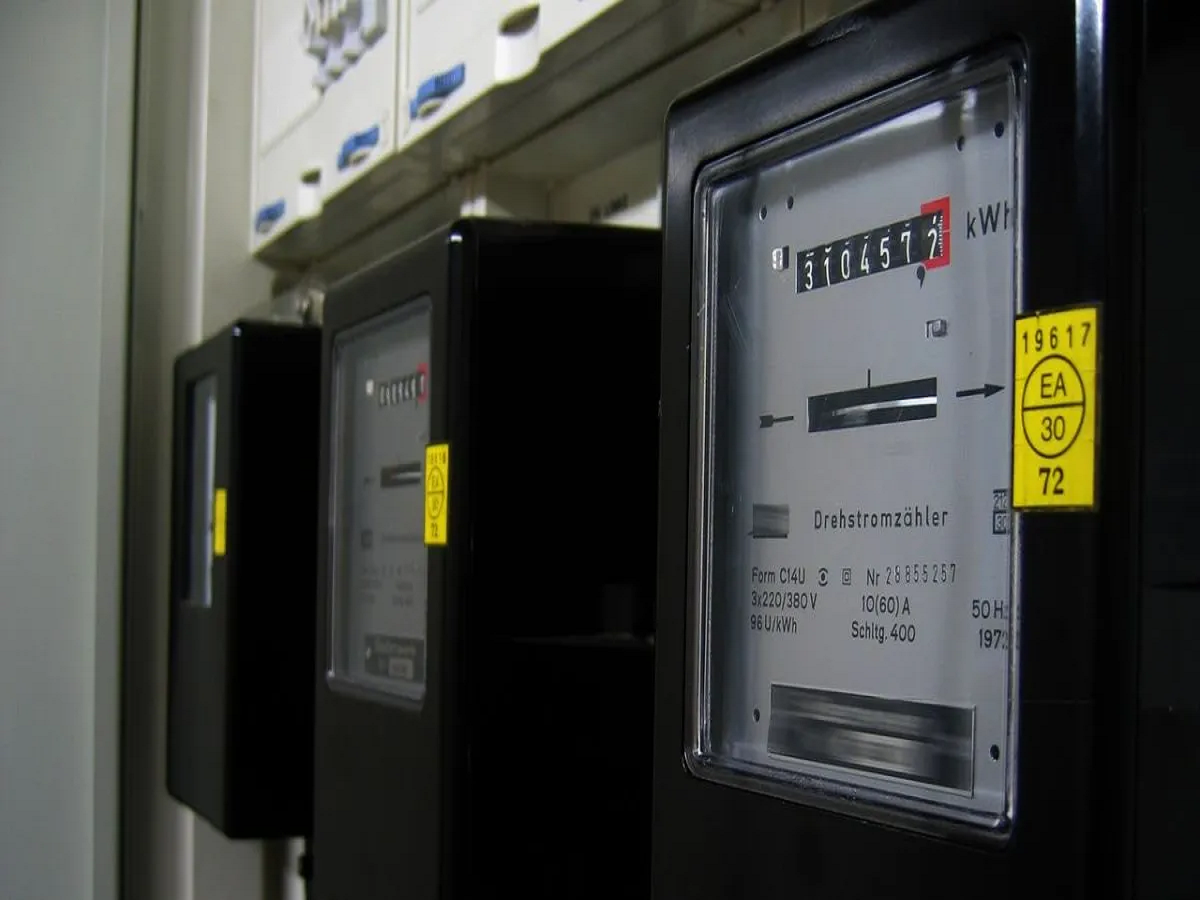
As the rollout of smart meters picks up pace across the country, a wave of concern has followed. Many homeowners have reported a sudden spike in their monthly electricity costs immediately following the switch. While it’s easy to blame the new technology, energy experts and utility departments suggest the reality is more about accuracy than inflation.
The "Accuracy Gap": Why the Numbers Changed
The primary reason for a higher bill isn't that the smart meter is "fast," but rather that your old meter might have been "slow" or inaccurate.
-
End of Estimated Billing: Older systems often relied on manual readings or estimates. If a meter reader missed a month, your bill might have been artificially low, leading to a "catch-up" bill once the smart meter began tracking real-time data.
-
Mechanical Wear and Tear: Traditional analog meters have moving parts that can degrade over time, often leading them to under-record actual energy usage.
-
Precision Recording: Smart meters are designed to capture even small amounts of energy consumption that older, less sensitive models might have ignored.
Clearing the Confusion: Do Smart Meters Generate Extra Units?
There is a common myth that smart meters automatically inflate unit counts. However, technical reports and clarifications from departments—such as those in Noida and Maharashtra—confirm that smart meters do not create electricity units.
They act as a digital ledger, simply recording exactly what passes through them. In many cases, what feels like an "increase" is actually the transition to Time-of-Day (ToD) billing or the correction of years of under-reporting by faulty older hardware.
The Benefit of Transparency
While the initial bill might be a surprise, the shift offers long-term advantages:
-
Real-Time Monitoring: Consumers can now track their usage patterns daily rather than waiting for a monthly surprise.
-
Elimination of Human Error: Because the data is transmitted digitally, the risk of incorrect manual entries by meter readers is eliminated.
-
Detailed Analytics: Many departments now provide apps that show exactly when your consumption peaks, helping you identify energy-hungry appliances.
The Bottom Line: If your bill has jumped, it likely isn't a technical glitch in the new meter, but rather the new meter finally reflecting the true cost of the energy you're using.