NATIONAL
SC/ST/OBCs also have the right to "general" category seats in government jobs! The Supreme Court rejects the "double benefit" argument
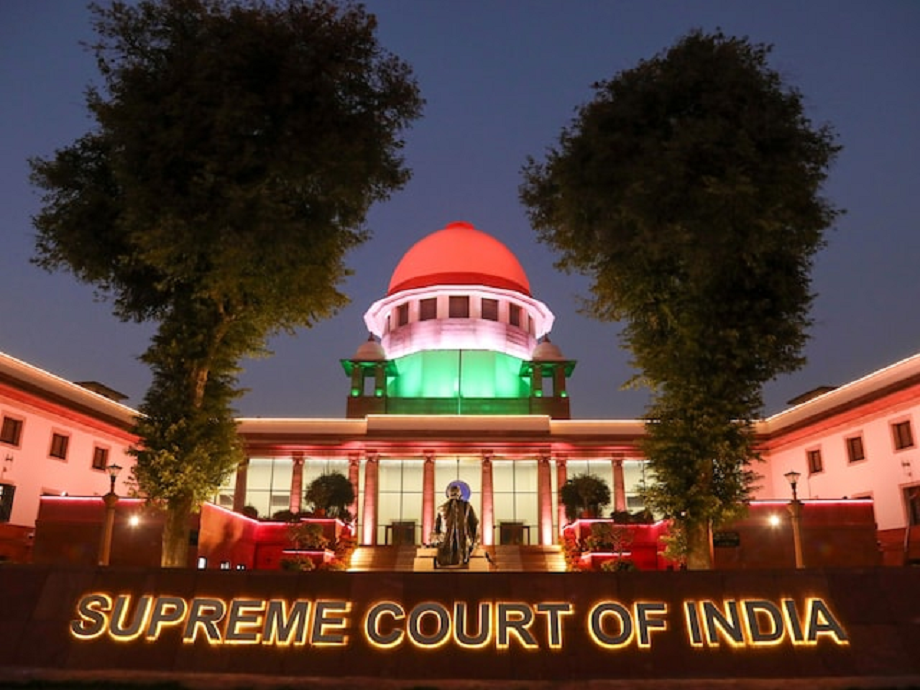
Supreme Court News: Reservation in government jobs has always been a matter of debate. One issue is whether a child from a reserved category, who scores the same marks as a general category student, will be placed in the general or reserved category. A petition was filed in the Supreme Court on this issue, and the matter was also debated in the apex court, calling it a "double benefit." However, the Supreme Court rejected the plea, citing the 1992 Indra Sawhney case and ruled that a candidate from a reserved category can obtain a seat in the general category.
Supreme Court on Reservation Category and General Category: The Supreme Court has put an end to the long-running debate on reservation and merit in government jobs. In a historic and far-reaching decision, the apex court has made it clear that candidates from reserved categories (SC, ST, OBC and EWS) are also entitled to get jobs on General Category seats, provided they achieve the General Category cutoff marks in merit. This decision is not only a big victory for meritorious students from reserved categories, but it also redefines the definition of General Category seats.
This case involved a recruitment process conducted by the Rajasthan High Court. The Rajasthan High Court had announced recruitment for certain positions, and it had established a rule that reserved category candidates would not be appointed to general category seats, even if their scores exceeded the general cutoff. The High Court argued that assigning reserved category candidates to general category seats would be tantamount to providing them with a double benefit—first, the benefit of reservation and second, the benefit of a general category seat.
The Supreme Court rejected the argument
The Supreme Court rejected this argument outright. A bench of Justices Dipankar Datta and Augustine G. Masih dismissed the Rajasthan High Court's petition, stating that merit must be respected.
'Open' means for everyone
Related newsUmar and Sharjeel will not be able to seek bail for a year, what is the reason behind SC's strictness?I started trembling... What was the wife's reaction when Shifa-ur-Rehman got bail?Such criminals should be hanged, what did the victim families say on the SC decision?How the Supreme Court brought good news for Singhvi and bad news for Sibal
The Supreme Court cited the landmark Indira Sawhney judgment of 1992. Justice Datta made a stern remark, saying, "We hold that the word 'open' simply means open. That is, the seats to be filled under the open category are not the exclusive domain of any particular caste or class. They are open to all." The court clarified that the availability of reservations does not prevent a meritorious reserved candidate from being selected on merit for an unreserved seat.
How will this rule be implemented?
The Supreme Court has made the situation absolutely clear regarding the recruitment process:-
- Written Examination: If a reserved category (SC/ST/OBC) candidate scores more than the General Category cutoff in the written examination, he/she will be treated as a 'General Category' candidate at the time of interview.
- Final Merit: If his/her total marks in the final result fall below the cutoff for General Category, then it will be counted back in his/her original Reserved Category to avail the benefit of reservation.
PC:News18