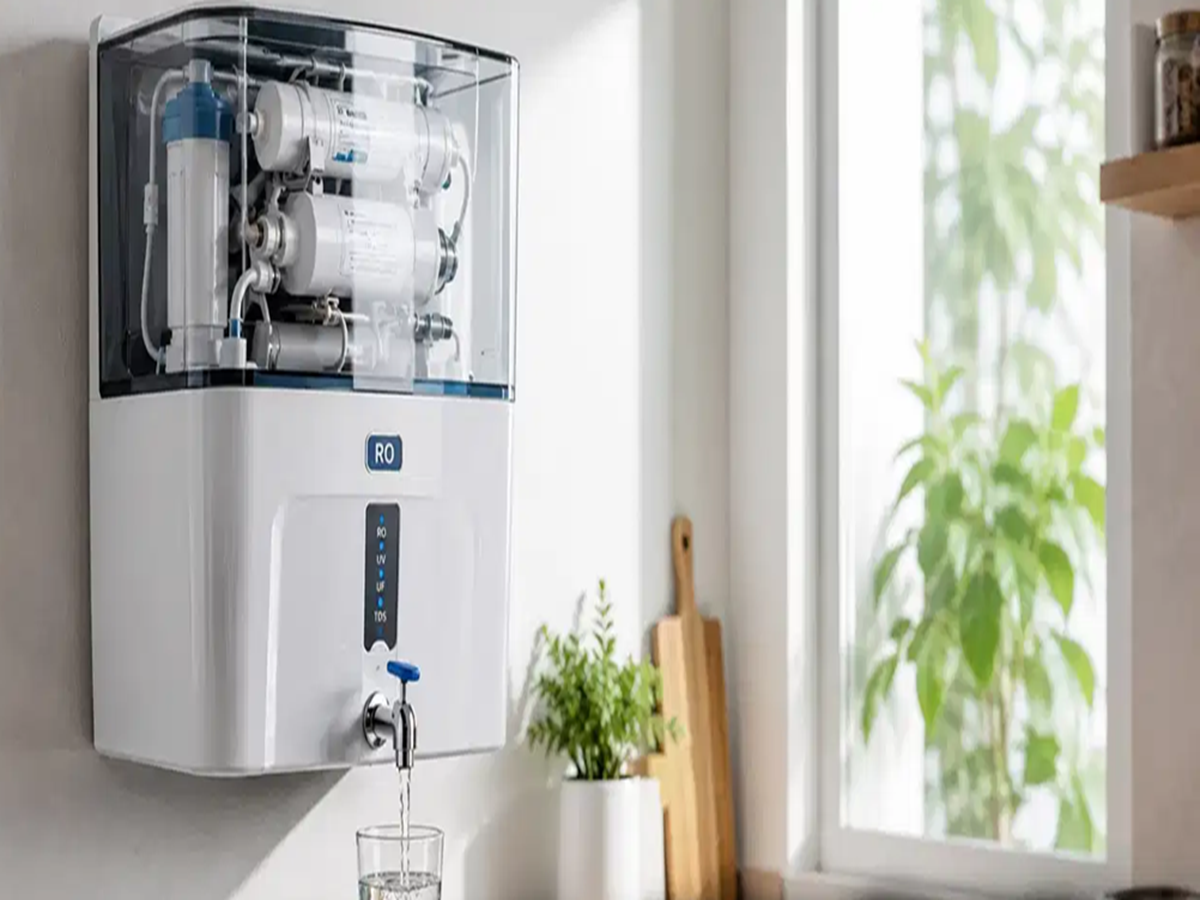
RO water purifiers have become a common appliance in many households today. Their main purpose is to remove impurities, dissolved substances, and certain contaminants from water to make it safer for drinking. However, several myths and misconceptions about RO water continue to circulate online, creating confusion among users.
Some people believe RO water is the healthiest option for everyone, while others claim it can be harmful because it removes essential minerals. Understanding the facts behind these claims is important before making decisions about water purification.
Here are some common myths about RO water and the truth behind them.
Myth 1: RO Water Removes All Essential Minerals From the Body
Fact: RO purification can reduce certain minerals present in water, such as calcium and magnesium. However, this does not mean that drinking RO water causes mineral deficiency.
For most people, essential minerals are mainly obtained through a balanced diet rather than drinking water. Foods such as dairy products, vegetables, nuts, and other nutrient-rich items are major sources of minerals required by the body.
Myth 2: Every Household Needs an RO Water Purifier
Fact: RO is not necessary for every home. The need for an RO purifier depends on the quality of water available in your area.
If your water source contains high levels of dissolved solids, heavy metals, fluoride, arsenic, or other contaminants, an RO purifier may be beneficial. However, if the water quality is already safe, installing an RO system may not always be required.
Testing your water quality before choosing a purifier is the best approach.
Myth 3: RO Water Is Completely Purified and Can Be Stored Without Care
Fact: Even purified water needs proper storage. If RO water is kept in an unclean container or left uncovered for a long time, it can become contaminated again.
Always store RO water in a clean, covered container and maintain proper hygiene around the storage area.
Myth 4: RO Water Weakens Gut Health
Fact: There is currently no strong scientific evidence proving that RO water directly damages or weakens the gut.
Digestive health depends on several factors, including diet, fiber intake, lifestyle habits, infections, and medication use. Drinking clean water is an important part of overall health, but gut health is influenced by many other factors as well.
When Do You Actually Need an RO Purifier?
An RO purifier can be useful when your water contains:
-
High Total Dissolved Solids (TDS)
-
Heavy metals such as lead
-
Excess fluoride or arsenic
-
Other harmful contaminants
However, if your tap water is already safe and meets quality standards, an RO system may not be necessary. Getting your water tested can help you choose the right purification method.
Important Tips While Using RO Water
-
Get your RO purifier serviced regularly.
-
Replace filters and membranes on time.
-
Store purified water in clean, covered containers.
-
Avoid keeping stored water open for long periods.
-
Maintain a balanced diet to meet the body's mineral requirements.
RO water can be a useful option when it matches your water quality needs. Instead of following online claims blindly, choosing a purifier based on actual water testing and expert guidance is the best way to ensure safe drinking water.