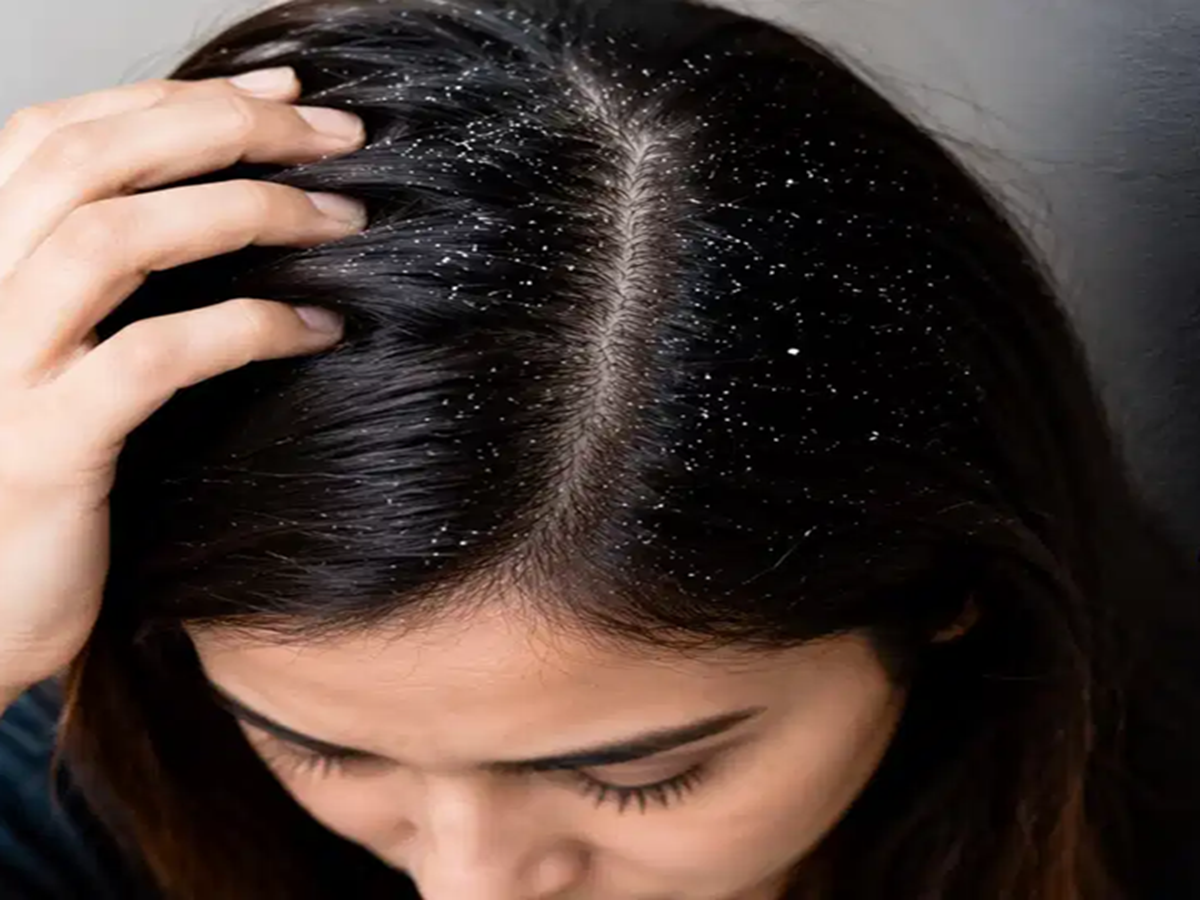
Dandruff is one of the most common scalp problems, but many people find that it keeps coming back even after treatment. White or yellow flakes, constant itching, and an irritated scalp can be frustrating. While dandruff is often seen as a minor issue, ignoring it for too long can lead to scalp inflammation, increased hair breakage, and even noticeable hair fall.
The good news is that recurring dandruff is often linked to everyday hair care mistakes. By identifying and correcting these habits, you can keep your scalp healthier and reduce flare-ups.
Common Mistakes That Make Dandruff Worse
1. Stopping Anti-Dandruff Shampoo Too Early
One of the biggest mistakes is discontinuing an anti-dandruff shampoo as soon as flakes disappear. Dandruff-causing yeast can remain on the scalp, and stopping treatment too soon allows the problem to return.
2. Washing Shampoo Off Too Quickly
Anti-dandruff shampoos need time to work. Rinsing them off immediately prevents the active ingredients from effectively treating the scalp. Most medicated shampoos should be left on the scalp for 3–5 minutes before rinsing.
3. Cleaning Only the Hair, Not the Scalp
Dandruff develops on the scalp, not on the hair strands. Gently massaging the shampoo into the scalp helps remove excess oil, dead skin cells, and buildup.
4. Excessive Use of Hair Oils and Styling Products
Heavy oils, gels, waxes, and sprays can build up on the scalp, trapping dirt and oil. This may worsen dandruff in some people, especially those with oily scalps.
5. Constantly Scratching the Scalp
Frequent scratching can damage the skin, leading to redness, irritation, and even small wounds that increase the risk of infection.
6. Frequently Switching Shampoos
Many people try a new shampoo every few washes if they don't see immediate results. However, anti-dandruff shampoos often require several weeks of regular use before noticeable improvement occurs.
Tips to Control Dandruff
- Use an anti-dandruff shampoo exactly as directed.
- Leave the shampoo on your scalp for 3–5 minutes before rinsing.
- Wash your hair regularly based on your hair type and scalp condition.
- Avoid excessive use of oils and styling products.
- Eat a balanced diet rich in vitamins and minerals.
- Manage stress, as it can contribute to dandruff flare-ups.
- If one medicated shampoo isn't helping after several weeks, consult a dermatologist instead of repeatedly changing products.
When Should You See a Doctor?
Medical advice is recommended if:
- Dandruff continues despite several weeks of treatment.
- Your scalp becomes very red, swollen, painful, or itchy.
- You notice pus, bleeding, or severe irritation.
- Hair loss increases significantly.
- Thick scales or persistent patches appear on the scalp.
These symptoms may indicate conditions such as seborrheic dermatitis, psoriasis, eczema, or a fungal infection rather than ordinary dandruff.