LIFESTYLE
Red Meat Explained: What It Contains, Its Nutritional Value and How It Differs From White Meat
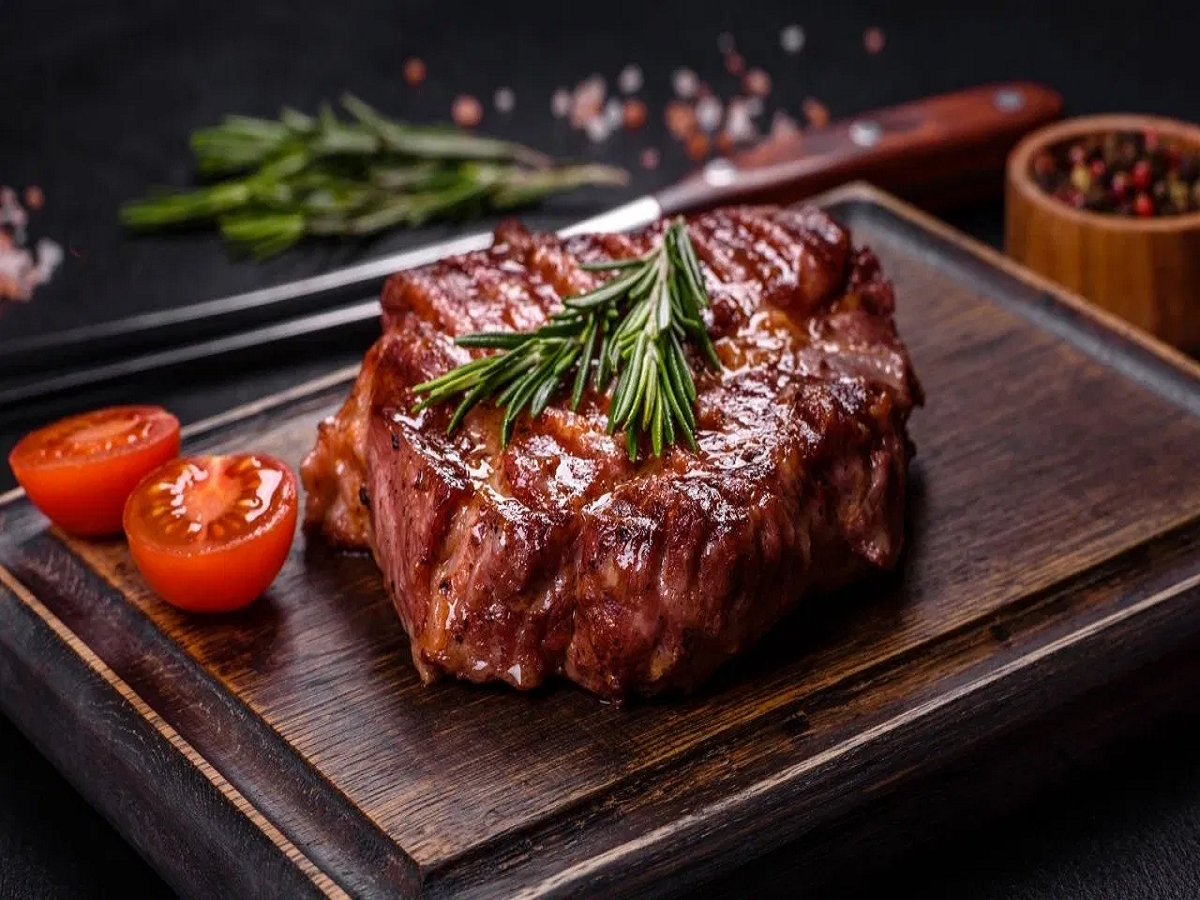
When people hear the term "red meat," many are unsure about which foods actually fall into this category. Chicken is sometimes mistakenly considered red meat, while fish is often automatically classified as white meat. In reality, the classification is based largely on the type of animal and the characteristics of its muscle tissue.
Red meat can be a source of high-quality protein and several important vitamins and minerals. However, some cuts can also contain considerable amounts of fat, so the nutritional value can vary depending on the type and cut of meat.
What Exactly Is Red Meat?
Red meat generally refers to meat obtained from mammals. It tends to have a darker red colour when raw because it contains higher amounts of myoglobin, a protein found in muscle tissue.
Beef, lamb, mutton, goat and pork are commonly classified as red meat.
Chicken and turkey are generally considered white meat, although the colour and nutritional composition can vary between different parts of the bird. Fish is also generally grouped separately from red meat.
Which Foods Are Considered Red Meat?
Some of the most common examples include:
-
Beef
-
Mutton and lamb
-
Goat meat
-
Pork
-
Meat from other mammals
The exact nutritional profile can differ significantly depending on the animal, cut, cooking method and amount of visible fat.
What Nutrients Does Red Meat Provide?
Red meat can provide several important nutrients. For example, USDA data for raw ground beef containing approximately 80% lean meat and 20% fat shows that 100 grams provides around 17.2 grams of protein.
It also contains minerals such as iron, zinc, phosphorus, potassium, magnesium and selenium.
One of its notable nutritional benefits is its vitamin B12 content. The same 100-gram serving contains around 2.14 micrograms of vitamin B12. Red meat also provides other B vitamins and smaller amounts of vitamins A, D and K.
Why Is Red Meat Considered a Good Protein Source?
Protein is required by the body for several important functions, including maintaining and repairing tissues. Red meat contains complete protein, meaning it provides all the essential amino acids that the body needs from food.
This makes it a useful protein source for people who include meat in their diet.
What About the Fat Content?
The amount of fat in red meat can vary considerably. A lean cut can contain much less fat than a fatty cut.
For example, the USDA nutritional data cited for ground beef in the 80% lean and 20% fat category reflects a relatively high-fat preparation. Choosing leaner cuts and trimming visible fat can reduce the amount of fat consumed.
Cooking methods also matter. Grilling, roasting or cooking meat without adding excessive amounts of oil can help keep the overall calorie and fat content lower.
Red Meat vs White Meat
The biggest difference is that red meat generally comes from mammals, while white meat commonly refers to poultry and certain other meats.
Red meat is particularly notable for nutrients such as protein, iron and vitamin B12. White meat, especially skinless poultry, is often lower in fat depending on the cut and preparation.
However, neither category is automatically "healthy" or "unhealthy." The nutritional value depends on portion size, the specific cut, preparation method and the overall diet.
How Much Red Meat Should You Eat?
Rather than focusing only on whether meat is red or white, it is important to consider the overall quality of your diet. If you eat red meat, choosing lean cuts, keeping portions reasonable and including vegetables, whole grains, legumes and other protein sources can help create a balanced diet.
Processed meats such as sausages and other cured or preserved meat products are different from fresh, unprocessed red meat and should not be treated as nutritionally identical.
Red meat can provide valuable protein, iron, zinc and vitamin B12, but choosing the right cut and maintaining moderation are important when including it as part of a balanced diet.