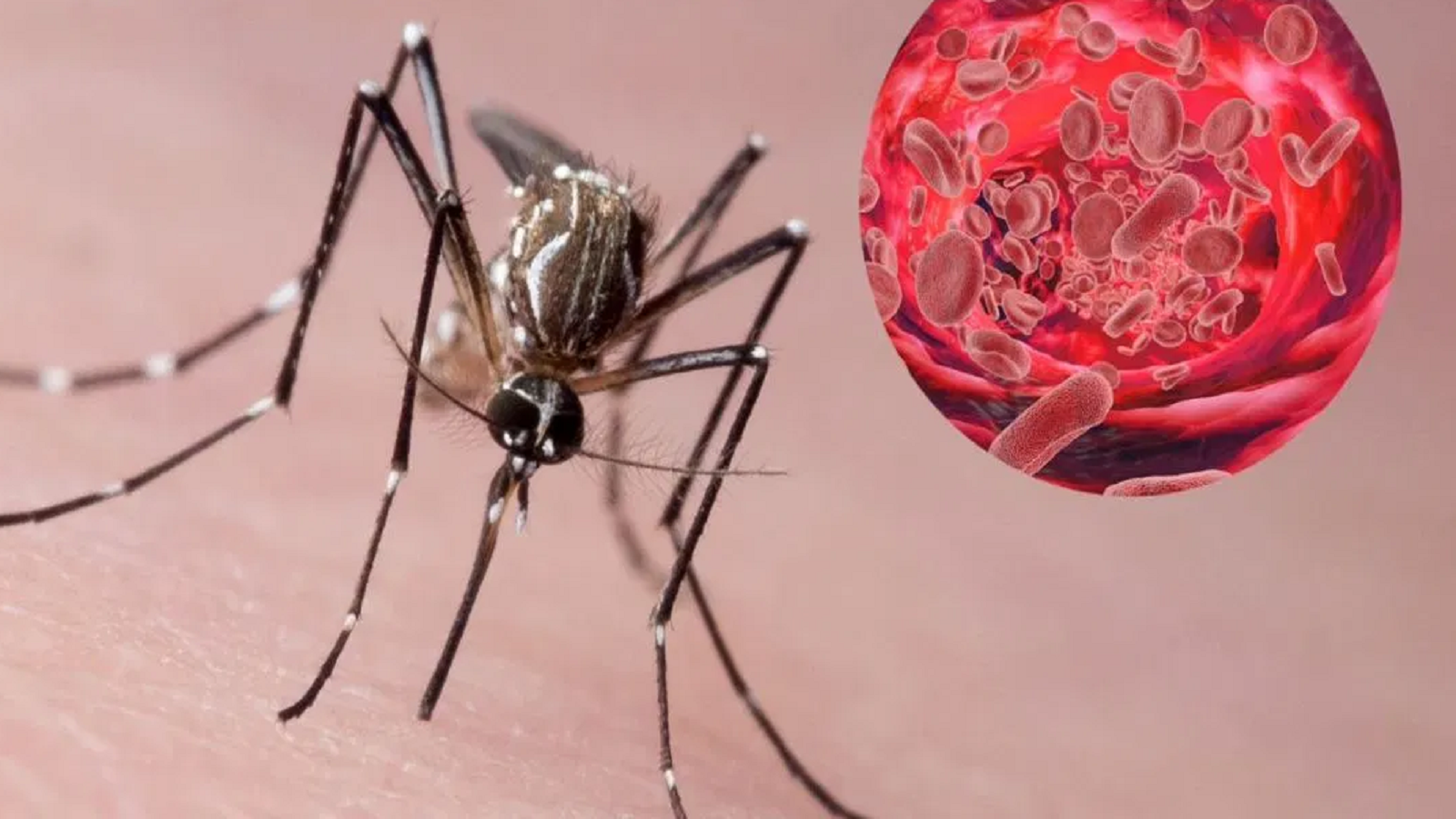
Dengue, a viral infection spread by the Aedes mosquito, is most active during the day and sees a sharp rise in cases across India during the monsoon and rainy seasons. The virus targets blood platelets and weakens the immune system, leading to common symptoms such as high fever, headache, body and joint pain, fatigue, and a red, scaly rash. While many cases are mild, dengue can become life-threatening if not treated promptly.
One of the most serious complications is internal bleeding. The virus reduces platelet levels and weakens blood vessels, making blood clotting difficult. When platelet counts fall below 100,000 per microliter, the risk of bleeding increases significantly. In severe cases, blood may leak into organs such as the liver, kidneys, and abdominal cavity, a condition known as dengue hemorrhagic fever. This can lead to dangerously low blood pressure and deprive vital organs of oxygen. Without immediate medical attention, the condition can worsen rapidly.
Dr. Subhash Giri from RML Hospital explains that internal bleeding in dengue presents with persistent high fever, extreme fatigue, and weakness. Patients may also develop a red or scaly rash, experience bleeding from the nose or gums, pass dark or bloody urine, or vomit blood. Severe cases can include headaches, dizziness, palpitations, abdominal pain or swelling, and sudden drops in blood pressure. Any of these warning signs require urgent hospital care to prevent fatal outcomes.
Prevention is key to reducing the risk of dengue. Wearing full-sleeved clothing, using mosquito nets and repellents, and avoiding water stagnation around homes are essential steps. Installing nets on windows and doors further limits mosquito exposure. Maintaining a healthy diet, staying hydrated, and seeking immediate medical help if fever or bleeding symptoms occur can significantly reduce complications. Being aware of these symptoms and preventive measures is crucial, as early detection and treatment can save lives.