LIFESTYLE
Purushottam Maas 2026: If Malmas is the Holy Month of Lord Vishnu, Why is Every Auspicious Ritual Strictly Banned?
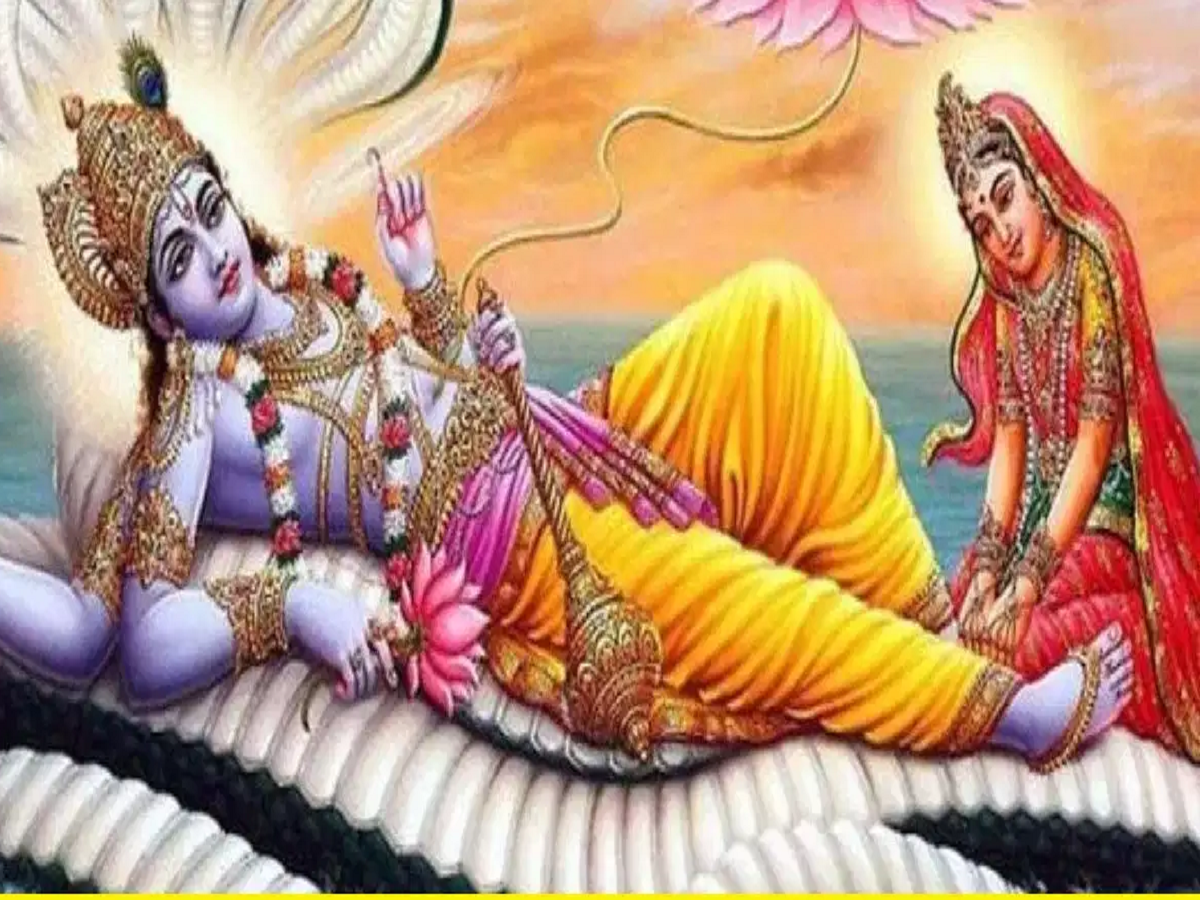
In Sanatan Dharma, Adhik Maas—popularly known as Malmas or Purushottam Maas—holds an extraordinary spiritual status. Running from May 17th to June 15th, 2026, this sacred month occurs only once every three years. Because it is dedicated entirely to Lord Vishnu, who bears the name Purushottam, it is considered a golden window for spiritual awakening. The Puranas declare that any act of devotion, charity, or fasting performed now yields exponentially higher merits than during regular days.
Yet, this creates a profound paradox: If this month is so deeply beloved by Shri Hari, why are weddings, housewarming ceremonies (Griha Pravesh), tonsure rituals (Mundan), and all other auspicious celebrations strictly prohibited?
To understand this, we must dive into the fascinating cosmic mathematics of the Hindu calendar and the core spiritual philosophy behind this rare month.
The Cosmic Math Behind Malmas
The Hindu calendar is a beautiful, self-correcting alignment of cosmic cycles. It relies simultaneously on the movements of both the Sun and the Moon, which operate on different timelines:
-
Solar Year: Approximately 365 days.
-
Lunar Year: Approximately 354 days.
This creates an inescapable 11-day deficit between the two systems every single year. Over a span of three years, this gap widens to roughly 33 days. To bridge this celestial disparity and realign the lunar months with their corresponding solar seasons, an extra month is inserted into the lunar calendar every third year. This intercalary period is what we call Adhik Maas or Malmas.
The Exceptional Rarity: Malmas vs. Kshayamaas
Astrologically, Malmas is classified into two distinct phenomena depending on solar transitions (Sankranti):
| Type of Month | Planetary Event | Occurrence Rate |
| Adhik Maas (Standard Malmas) | A lunar month that witnesses zero solar transitions (Sankranti). | Once every 3 years. |
| Kshayamaas (The Dropped Month) | A rare lunar month that compresses two solar transitions (Sankranti) into its timeline. | Approximately once every 141 years. |
1. A Mandate for Pure Soul-Searching
Scriptures dictate that Malmas is a dedicated time out for the human soul—a month engineered exclusively for intense spiritual practice (Sadhana). Introducing massive worldly celebrations like marriages or buying property pulls a person back into material attachments. To counter this, the scriptures mark this period as "unfit" for worldly milestones to ensure people focus entirely on self-reflection and inner purification.
2. The Absence of Solar Power (Sankranti)
Because a standard Malmas lacks a solar Sankranti (the Sun transitioning into a new zodiac sign), it is considered energetically stagnant for starting outward, material life projects. Without this solar catalyst, the cosmic energy is deemed unfavorable for creating long-term worldly bonds like marriage.
The Ultimate Blueprint for Malmas Merits
While building a new house or hosting a wedding is banned, Malmas is the absolute best time to rebuild your internal health and karma. Engaging in activities that purify the mind and life is believed to yield double the spiritual merits right now:
-
Scriptural Reading: Dedicate time to reciting and understanding the Bhagavad Gita and the Puranas.
-
Mantra Chanting & Meditation: The quietened energy of this month is perfect for deep meditation and chanting the names of Lord Vishnu.
-
Selfless Charity (Daan): Providing food, clothing, and essential help to the underprivileged during this month clears deep karmic debts.
-
Mindful Fasting: Observing sacred fasts—such as the highly revered Padmini Ekadashi falling within this period—acts as a powerful detox for both the physical body and the consciousness.