BUSINESS
Poshan Maah 2026: What Families Should Know About the Government’s Nutrition Campaign and Anganwadi Services
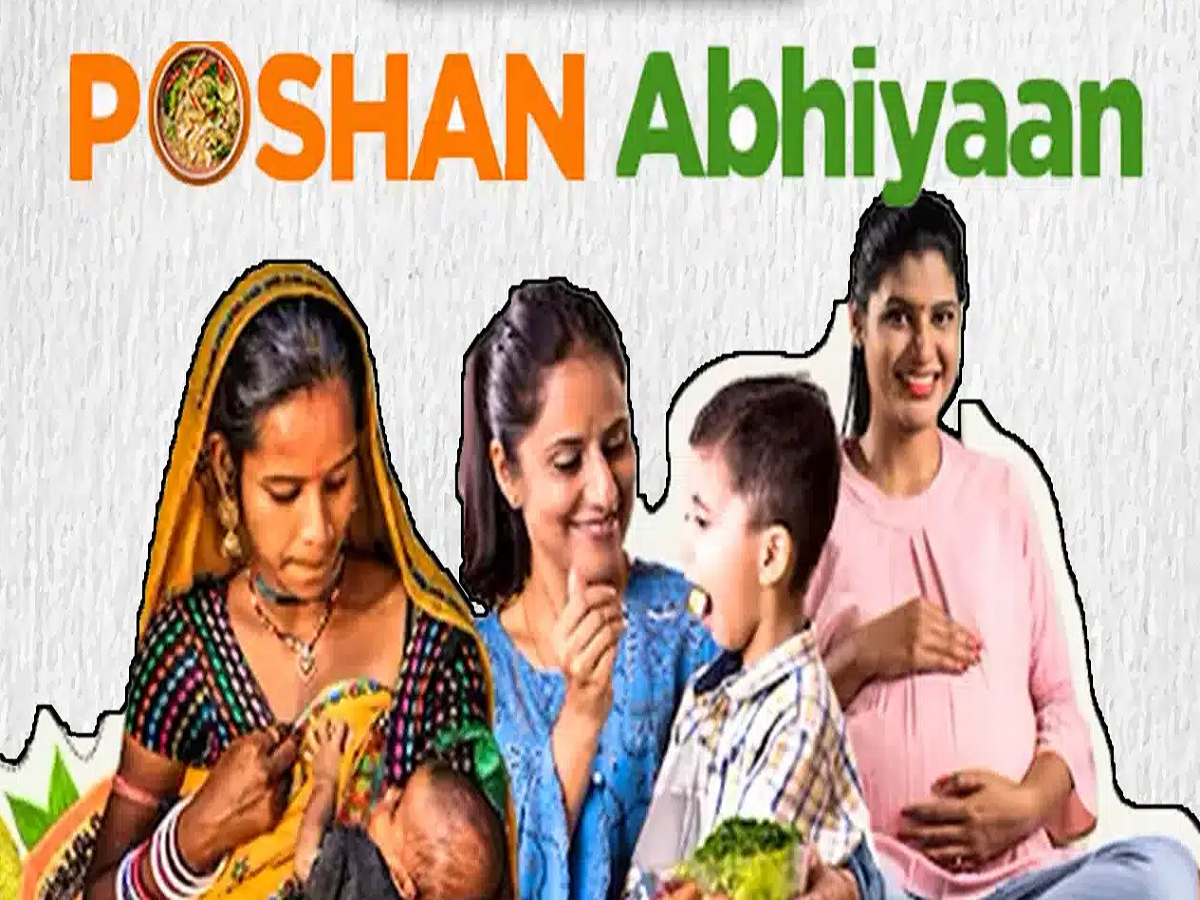
The government has launched the 9th Rashtriya Poshan Maah 2026, a month-long nationwide campaign focused on improving nutrition among children, pregnant women and lactating mothers.
Launched on September 9, the campaign is being conducted under the theme “Hamari Anganwadi, Hamari Jimmedari”, or “Our Anganwadi, Our Responsibility.” The initiative places particular emphasis on dietary diversity, adequate protein intake, fresh hot-cooked meals and community participation.
For families, the campaign is also a useful reminder to understand what services are available through their local Anganwadi Centre.
What Is Rashtriya Poshan Maah?
Rashtriya Poshan Maah is an annual nationwide campaign conducted as part of the government's broader nutrition initiatives.
The 2026 campaign is focusing on improving awareness about healthy diets and strengthening the delivery of nutrition and early-childhood services at the grassroots level.
The government says the campaign is intended to turn nutrition into a Jan Andolan, encouraging families and communities to participate rather than treating nutrition as the responsibility of government departments alone.
Who Can Get Services Through Anganwadi Centres?
Anganwadi Centres provide a range of services under the government's nutrition and early-childhood programmes.
According to the latest government update, more than 14 lakh Anganwadi Centres are currently providing nutrition, health and early-childhood care services to:
- More than 7.5 crore children
- Around 1.10 crore pregnant and lactating women
- Nearly 16 lakh adolescent girls
The exact services and eligibility can vary according to the applicable programme and local implementation.
What Services Are Available?
Families using Anganwadi services may receive support related to nutrition, health and early childhood development.
These can include:
Supplementary Nutrition
Eligible beneficiaries can receive supplementary nutrition through programmes implemented at Anganwadi Centres.
The government has highlighted Hot Cooked Meals (HCM) and Take Home Ration (THR) as important components of nutrition support.
Early Childhood Care
Anganwadi Centres also support early childhood development and preschool-related activities.
The government is working to strengthen these centres so that they function not merely as food-distribution points but as broader community institutions.
Health-Related Support
Anganwadi services also work alongside health systems to support beneficiaries, particularly young children and mothers.
Families can approach their local Anganwadi worker to understand the services available to them.
Government Plans to Upgrade 2 Lakh Anganwadi Centres
One of the major developments highlighted during Poshan Maah 2026 is the government's programme to upgrade 2 lakh Anganwadi Centres into Saksham Anganwadis.
The upgraded centres are intended to have better infrastructure and improved facilities for nutrition, childcare and early learning.
The government says that around 24,000 centres have already been approved in Uttar Pradesh as part of this effort.
Why Protein and Dietary Diversity Are Being Highlighted
The 2026 campaign is placing particular emphasis on adequate protein intake and dietary diversity.
A nutritious diet is not simply about eating enough food. Children and adults need a combination of nutrients from different food groups.
Families are therefore being encouraged to include a wider variety of locally available foods in their diets, rather than relying heavily on one type of food.
The campaign also highlights the importance of fresh, hot-cooked meals where such services are provided through Anganwadi Centres.
What Is the Role of Parents and Families?
The government is asking families to play a more active role in improving nutrition.
Parents and caregivers can use Anganwadi Centres to learn about:
- Appropriate nutrition for young children
- Dietary diversity
- Child growth and development
- Available supplementary nutrition
- Early childhood education
- Maternal nutrition
- Government welfare services
Families can also communicate with Anganwadi workers if they have questions about the services available in their locality.
PMMVY Also Provides Financial Support to Mothers
The Poshan Maah launch also highlighted the Pradhan Mantri Matru Vandana Yojana (PMMVY), a maternity benefit programme.
According to the government, PMMVY has transferred more than ₹21,000 crore through Direct Benefit Transfer (DBT) to more than 4.65 crore mothers since its implementation began.
Women who may be eligible should check the current PMMVY eligibility and application requirements through the appropriate government channels.
What Should Families Do During Poshan Maah?
Families do not need to wait for a special event to use Anganwadi services.
Parents and eligible beneficiaries can visit their local Anganwadi Centre and ask about the services available to them.
They should particularly check whether their children or family members are registered with the centre and whether they are eligible for supplementary nutrition or other services.
It is also useful to keep relevant identification and beneficiary documents available if registration or verification is required.
Why the 2026 Campaign Matters
Nutrition during childhood and pregnancy can have long-term consequences for health and development.
The government has therefore increasingly focused on combining nutrition support with healthcare, early childhood education and community participation.
The 2026 Poshan Maah campaign reflects this broader approach by focusing not only on food distribution but also on dietary diversity, protein intake, childcare and community responsibility.
Bottom Line
The 9th Rashtriya Poshan Maah 2026 is more than an awareness campaign. It highlights the services already being delivered through the country's extensive Anganwadi network.
Families with young children, pregnant women and lactating mothers should find out what services are available at their nearest Anganwadi Centre.
The government's message this year is straightforward: improving nutrition requires not only government programmes but also active participation from families and local communities.