BUSINESS
PM Surya Ghar Yojana: How Households Can Get Rooftop Solar Subsidy and Reduce Electricity Bills
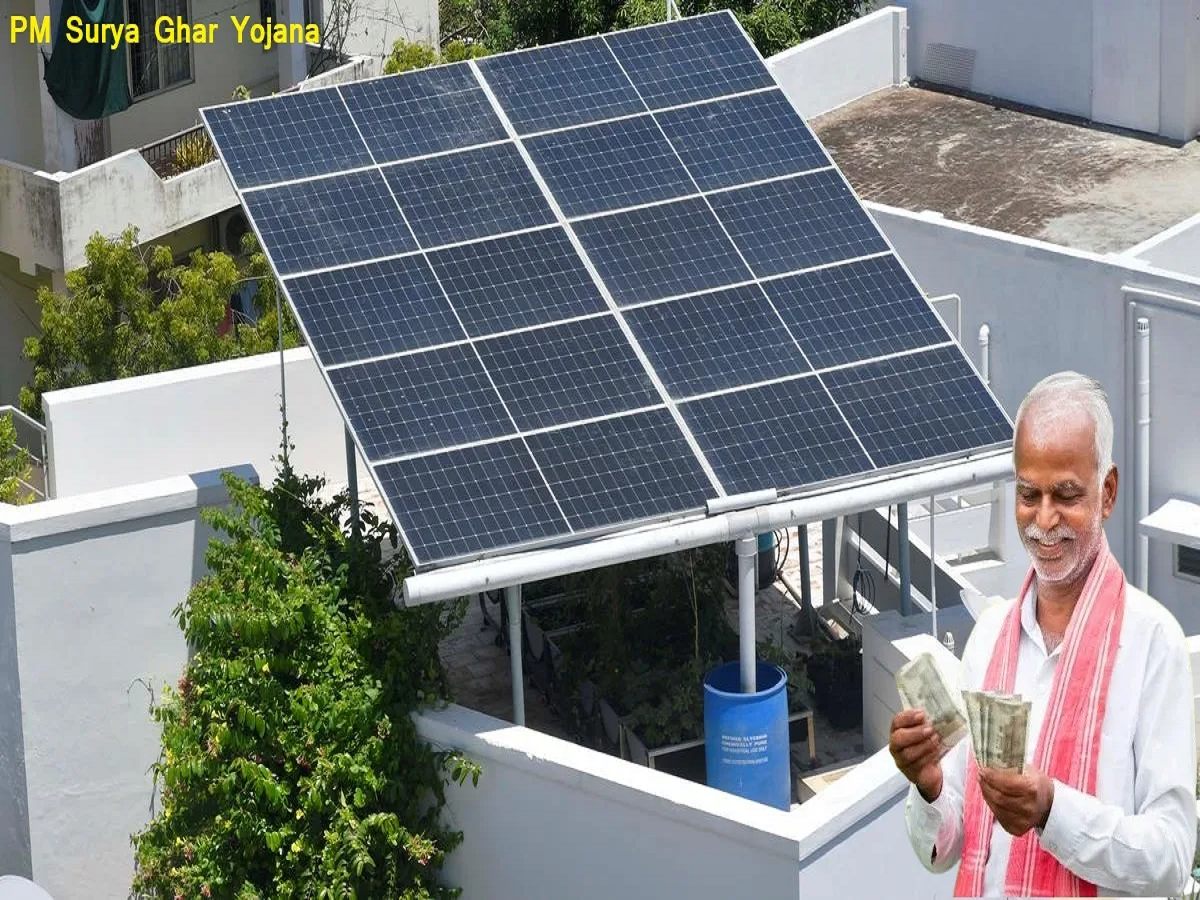
Imagine receiving a significantly lower electricity bill every month while generating power directly from your rooftop. The Government of India’s PM Surya Ghar: Muft Bijli Yojana is helping households move towards solar energy by providing financial assistance for residential rooftop solar installations.
The scheme has gained momentum across the country, with more than 50 lakh rooftop solar installations reported by the government by 2026. For families looking to reduce their long-term electricity expenses, understanding the subsidy, eligibility conditions and application process can help them make an informed decision.
What Is the PM Surya Ghar Yojana?
Launched in 2024, the PM Surya Ghar: Muft Bijli Yojana aims to encourage households to install rooftop solar systems and generate their own electricity.
The scheme has a total outlay of ₹75,021 crore and aims to support one crore households. Eligible residential consumers can receive central financial assistance for installing qualifying rooftop solar systems through the designated national portal and registered vendors.
The scheme is designed to help households reduce their dependence on electricity purchased from the grid. However, the actual savings depend on factors such as electricity consumption, system capacity, sunlight availability and local electricity regulations.
How Much Solar Subsidy Can You Receive?
Under the central subsidy structure, eligible residential households can receive assistance based on the capacity of their rooftop solar installation.
For households in most states, the central financial assistance is generally calculated as follows:
-
₹30,000 per kW for the first 2 kW.
-
₹18,000 per additional kW for the next 1 kW.
-
Maximum central subsidy of ₹78,000 for systems of 3 kW or higher.
For certain special-category states and Union Territories, the applicable subsidy rates may be higher.
For example, an eligible household installing a 3 kW rooftop solar system in a state covered by the standard subsidy structure may qualify for central assistance of up to ₹78,000, subject to the scheme's conditions.
The subsidy is not a universal cash payment for every household. Applicants must meet the eligibility requirements and complete the prescribed installation and verification process.
Who Is Eligible to Apply?
Households interested in the scheme should check the following basic conditions:
-
The applicant must be a residential electricity consumer.
-
The household must have a valid electricity connection.
-
The rooftop solar installation must comply with the scheme's technical requirements.
-
The installation must be completed through the prescribed process, including the use of an eligible registered vendor.
-
The applicant must meet the scheme's subsidy conditions.
Commercial and industrial electricity consumers are not eligible for the same residential subsidy under this scheme.
How to Apply for the Solar Subsidy
Eligible households can follow these steps to begin the process:
Step 1: Visit the official portal
Go to the PM Surya Ghar national portal at pmsuryaghar.gov.in.
Step 2: Register your electricity connection
Select your state, electricity distribution company and enter the required consumer details and mobile number.
Step 3: Submit the rooftop solar application
Provide the requested information and wait for the applicable technical feasibility approval, where required.
Step 4: Select a registered vendor
Choose a vendor listed on the official portal and get the rooftop solar system installed according to the approved specifications.
Step 5: Complete inspection and verification
After installation, submit the required details and complete the prescribed inspection, net-metering and commissioning formalities.
Step 6: Apply for the subsidy
Provide the required bank account details and supporting documents through the portal. The subsidy is released after the prescribed verification and approval process.
Does Solar Power Really Make Electricity Bills Zero?
The scheme is associated with the promise of up to 300 units of free electricity per month, but this should not be interpreted as a guarantee that every beneficiary will receive a zero bill.
The actual benefit depends on how much electricity the system generates, how much the household consumes and the rules governing electricity imports, exports and fixed charges.
A properly sized system can significantly reduce electricity expenses. However, households should compare installation costs, expected generation, maintenance requirements and their monthly consumption before making a decision.
Important Things to Check Before Installing Solar Panels
Before paying a vendor, households should verify that the vendor is registered on the official portal and that the proposed equipment meets the scheme's requirements.
They should also obtain a written quotation, understand warranty conditions and confirm whether the installation includes the required inverter, wiring, earthing and net-metering arrangements.
Consumers should avoid agents who promise guaranteed subsidies or demand unofficial payments. Applications and subsidy claims should be completed through the prescribed government process.
Why This Scheme Matters for Indian Households
Rooftop solar can help households manage electricity expenses over the long term while contributing to cleaner energy generation. Government assistance reduces the initial cost for eligible consumers, making solar installations more accessible.
For households with suitable rooftops and regular electricity consumption, the PM Surya Ghar Yojana is worth exploring. Before applying, check the latest eligibility conditions, subsidy rules and registered vendors on the official portal to understand the actual benefit available for your home.