Winter is the perfect season to enjoy fresh, nutritious leafy vegetables. From delicious sarson ka saag to flavourful methi parathas and healthy spinach dishes, green vegetables become an essential part of our daily meals during colder months. Instead of purchasing them regularly from the market, you can grow several varieties right in your kitchen garden or balcony.
November is an ideal time to start growing many winter greens. With a few pots, good-quality soil, sunlight and regular watering, you can enjoy fresh vegetables straight from your home garden.
Here are five leafy vegetables you can plant in November to enjoy a regular supply of fresh greens throughout winter.
1. Spinach (Palak)
<escape>Spinach</escape> is one of the easiest leafy vegetables to grow at home during winter. Rich in iron, folate and other essential nutrients, it can be used in a variety of dishes, including palak paneer, dal palak, parathas and salads.
You can grow spinach in pots, containers or seed trays. Before sowing, soak the seeds in water for approximately 24 hours to encourage germination. Drain the water and allow the seeds to dry slightly before planting them.
Spread the seeds evenly over well-prepared soil and cover them with a thin layer of soil, approximately one inch deep. Spray water gently to maintain moisture without disturbing the seeds. Under suitable conditions, seedlings may begin appearing within 7 days.
2. Fenugreek Leaves (Methi)
Fresh fenugreek leaves are a winter favourite in Indian households. Whether you use them in methi parathas, aloo methi or traditional vegetable preparations, their distinctive aroma and flavour make them particularly popular.
Growing methi at home is quite simple. You can sow fenugreek seeds directly into the soil, just as you would with spinach. Wide, shallow trays are particularly suitable because they provide enough space for the leaves to grow.
Keep the soil slightly moist and place the container where it receives adequate sunlight. With regular care, you can start harvesting tender leaves and enjoy fresh methi whenever you need it. You can also dry some of the leaves to prepare homemade kasuri methi.
3. Mustard Greens (Sarson)
No winter kitchen garden feels complete without mustard greens. An essential ingredient in the traditional Punjabi dish sarson ka saag, these leafy vegetables taste especially delicious when cooked with spices and served with makki ki roti, butter and jaggery.
To grow mustard greens, prepare well-drained soil and mix in some vermicompost to improve its nutrient content. Sow healthy mustard seeds in a wide container or directly in a suitable garden bed.
Water the soil regularly while avoiding waterlogging. Ensure the plants receive sufficient sunlight for healthy growth. You can harvest the tender leaves as they develop and use them in your favourite winter recipes.
4. Amaranth (Chaulai or Red Spinach)
If you want to add some colour and nutrition to your kitchen garden, red amaranth is an excellent option. Also known as lal chaulai, this leafy vegetable is valued for its nutritional content and versatility in everyday cooking.
It can be easily grown in pots, grow bags or garden beds. Sow the seeds in loose, fertile soil and lightly cover them with a thin layer of soil. Keep the growing medium moist and provide adequate sunlight.
One of its biggest advantages is its relatively quick growth. Depending on the variety and growing conditions, tender leaves can be ready for harvesting in approximately 30 to 40 days.
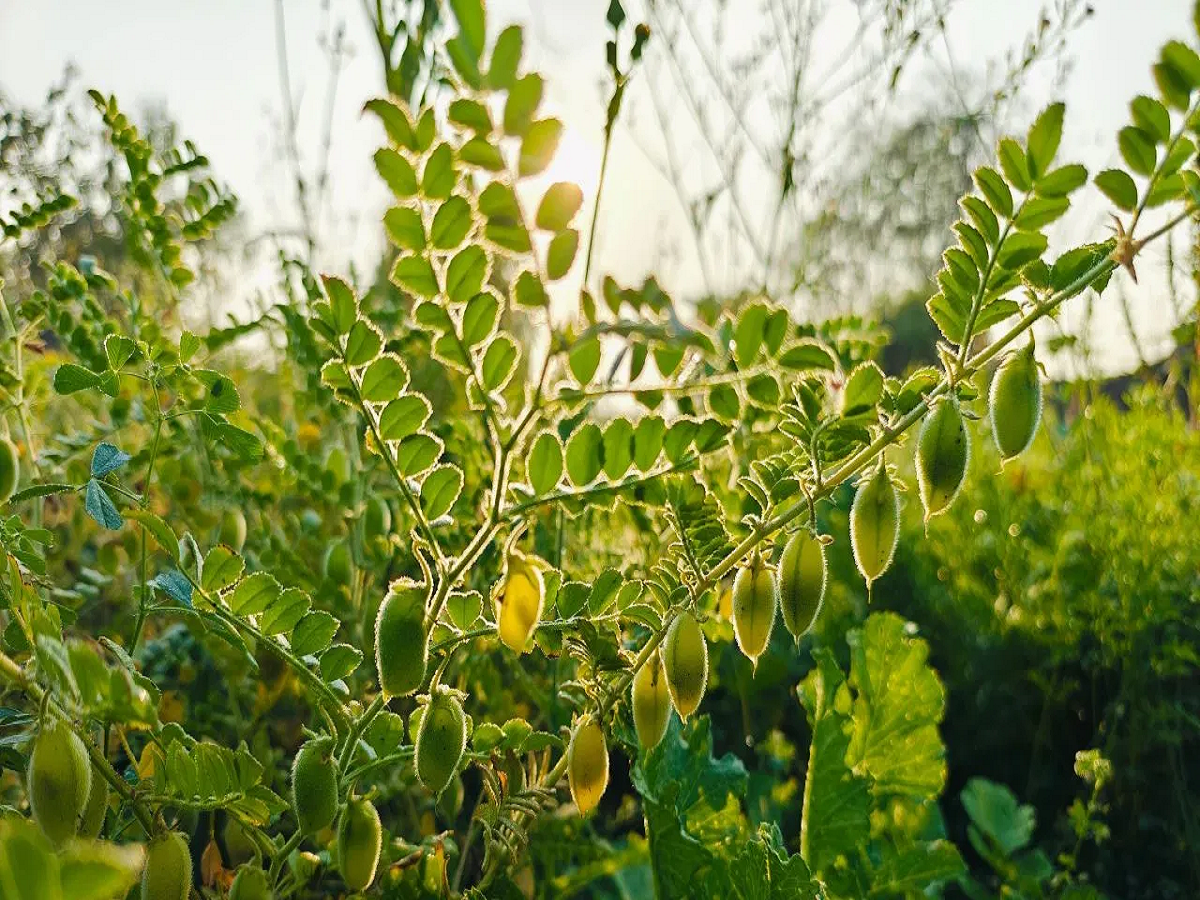
5. Chickpea Greens (Chane ka Saag)
Chickpea greens are another delicious seasonal addition to your winter kitchen garden. Their tender leaves are commonly used in salads and traditional Indian preparations.
November is a suitable time to sow chickpeas in many parts of North India. Choose healthy chickpea seeds and plant them in well-drained soil. Water moderately and ensure the plants receive sufficient sunlight.
You do not necessarily have to wait for the chickpea pods to develop before enjoying the plant. Its young, tender leaves can be harvested for cooking once the plants are sufficiently established. With November sowing, you may be able to enjoy fresh chickpea greens by late December, depending on growing conditions.
Simple Tips to Maintain Your Winter Kitchen Garden
Growing leafy vegetables at home does not require a large garden or expensive equipment. However, a few basic practices can help you get better results.
-
Choose suitable containers: Use pots, grow bags or wide trays with drainage holes to prevent excess water accumulation.
-
Use nutrient-rich soil: Mix garden soil with compost or vermicompost to support healthy plant growth.
-
Provide adequate sunlight: Most leafy vegetables grow well with around 4–6 hours of sunlight, although individual requirements may vary.
-
Avoid overwatering: Keep the soil slightly moist, but do not allow it to remain waterlogged.
-
Harvest carefully: Pick outer leaves when possible, allowing the central growing point to continue producing fresh foliage.
With a little planning and regular care, your balcony or kitchen garden can become a source of fresh winter vegetables. Planting spinach, methi, mustard greens, amaranth and chickpea greens in November is a simple way to enjoy seasonal produce, reduce frequent market visits and bring healthier eating habits into your daily routine.