INTERNATIONAL
Peace Talks or Power Play? Questions Grow Over Trump-Netanyahu Strategy as Middle East Tensions Escalate
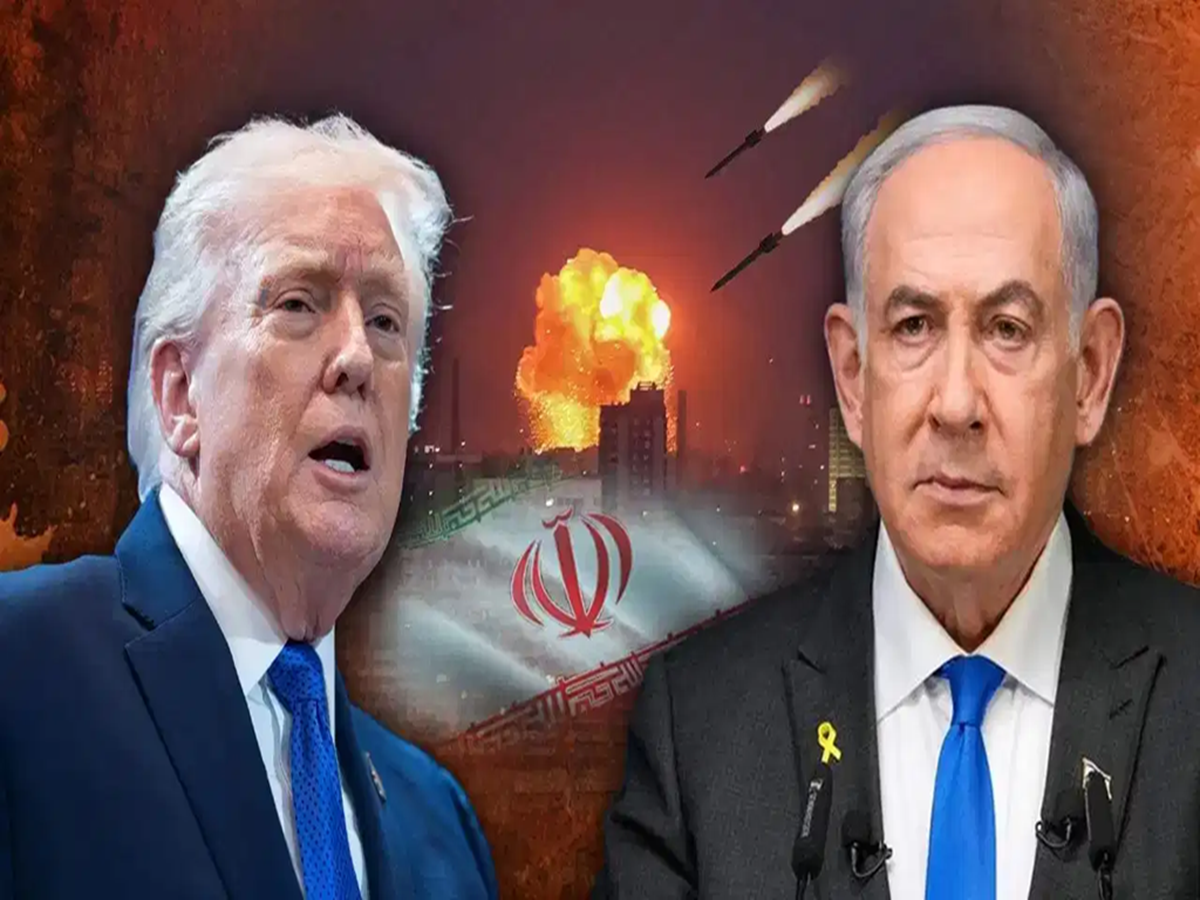
Fresh military exchanges in the Middle East have raised new questions about the relationship between US President Donald Trump and Israeli Prime Minister Benjamin Netanyahu. While Washington continues to speak about diplomacy and the possibility of negotiations with Iran, military activity across the region has intensified, creating uncertainty about the path ahead.
Diplomacy and Military Action Moving in Parallel
In recent days, calls for dialogue have been accompanied by renewed military operations involving Israel, Iran, and regional groups. The contrasting developments have fueled speculation among observers about whether diplomatic efforts and military pressure are being used simultaneously to influence Iran's decisions.
Analysts note that public messaging from Washington has focused on the possibility of an agreement, while developments on the ground suggest that regional tensions remain far from resolved.
Growing Debate Over US-Israel Coordination
Reports of disagreements between Trump and Netanyahu have led to debate over whether differences between the two leaders are genuine or part of a broader strategic approach.
Some observers believe the United States and Israel may be applying pressure through different methods—one emphasizing diplomacy and the other maintaining military pressure. Others argue that any apparent disagreements may not reflect a fundamental split in their broader security objectives.
No official confirmation has emerged regarding claims of serious personal disputes between the two leaders.
Military Escalation Raises Regional Concerns
Recent attacks and counterattacks have heightened fears of a wider regional conflict. Strategic locations, military infrastructure, and security installations have reportedly been targeted as both sides seek to strengthen their positions.
The escalation has also increased concerns about the security of energy supplies, global markets, and regional stability.
Iran Maintains Military and Diplomatic Pressure
Iran has continued to issue warnings against further attacks while simultaneously engaging in diplomatic outreach with several countries. Iranian officials have indicated that future responses will depend on developments on the ground and the actions of their regional adversaries.
At the same time, Tehran continues to reject external pressure regarding its strategic and nuclear policies, making negotiations increasingly complex.
The Nuclear Issue Remains Central
Despite the military exchanges, many experts believe the core dispute remains Iran's nuclear program. Western powers and regional allies continue to seek limitations on Iran's nuclear activities, while Tehran insists on protecting what it describes as its sovereign rights.
As a result, the conflict is no longer viewed solely through a military lens but also as part of a broader geopolitical struggle involving security, diplomacy, and regional influence.
What Happens Next?
The coming weeks could prove critical. The United States continues to signal support for diplomacy, while also maintaining military readiness in the region. Israel remains focused on security concerns, and Iran has shown little willingness to make major concessions.
Whether current tensions lead to renewed negotiations or a deeper confrontation will depend largely on the decisions taken by Washington, Tehran, and Jerusalem in the days ahead.
For now, the Middle East remains caught between two competing narratives: the promise of diplomacy and the reality of continued military escalation.