LIFESTYLE
Partner died a year and a half ago… and now the woman became the mother of his child, knows how this miracle became possible!

After the death of her partner, a woman resorted to a unique technique known as the PSMR (Pmsr) technique to conceive. Let's learn what this technique is and how it works.
A recent example of the extent to which medical science has advanced today has emerged. A woman became pregnant with her partner's child even a year and a half after his death. This may sound like a movie plot, but it's true. This was made possible thanks to a special medical technique. Now the question arises: what technology was used, and what is the whole matter? So, let's learn everything about it in detail without delay.
Her husband died in 2023 and she gave birth to a child in June

This case is from Israel. Here, 35-year-old Dr. Hadas Levy gave birth to a son on June 11, 2025. Interestingly, Levy's partner, Captain Netanel Silberg, died just a year and a half earlier, on December 18, 2023. Despite this, she gave birth to a child with her own partner.
After the death of the captain, the woman resorted to PSMR technology.

To achieve pregnancy after the Captain's death, Dr. Levy used postmortem sperm retrieval (PSR). According to media reports, he even obtained legal permission to use his partner's sperm for this procedure.
What is this technique
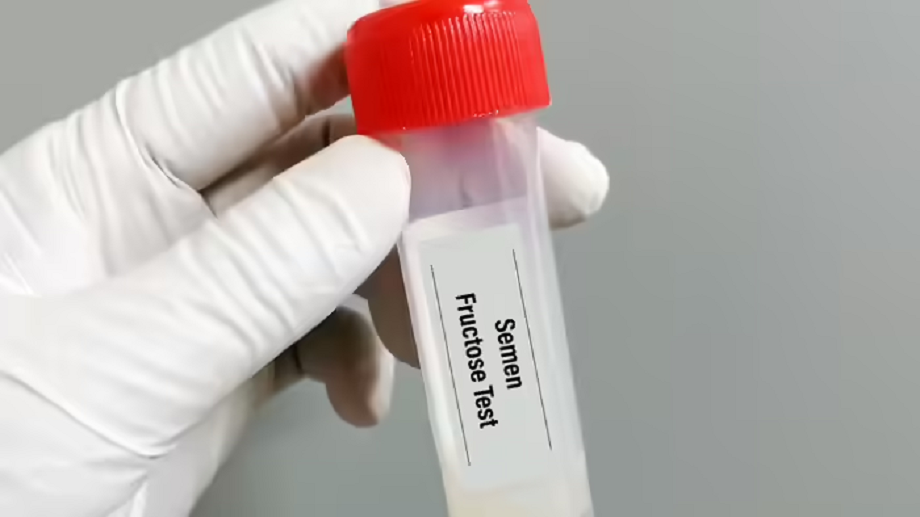
According to the National Library of Medicine, postmortem sperm retrieval (PMSR) is a medical procedure that extracts live sperm from a deceased man for later use in assisted reproductive therapy (ART). This procedure then allows a woman to conceive through IVF.

The first case came for the first time in the year 1980
The National Library of Medicine reports that the first PMSR case was reported in 1980. Since then, numerous cases have been reported in which women have become pregnant and delivered babies using PMSR. Requests for and use of this procedure are increasing in the United States, but the technique remains controversial.
Who can use sperm?
According to the American Society for Reproductive Medicine, it is ethically justifiable to extract or use sperm or eggs after death for reproductive purposes , provided the deceased person's written permission is available. If such written permission is not available, the use of sperm, eggs, or embryos after death should only be considered if the request comes from the deceased's spouse or partner.
Disclaimer: The information provided in this article is based solely on information found online. News Crab does not guarantee its accuracy or veracity. Always consult your doctor for any further information.
PC:NBT