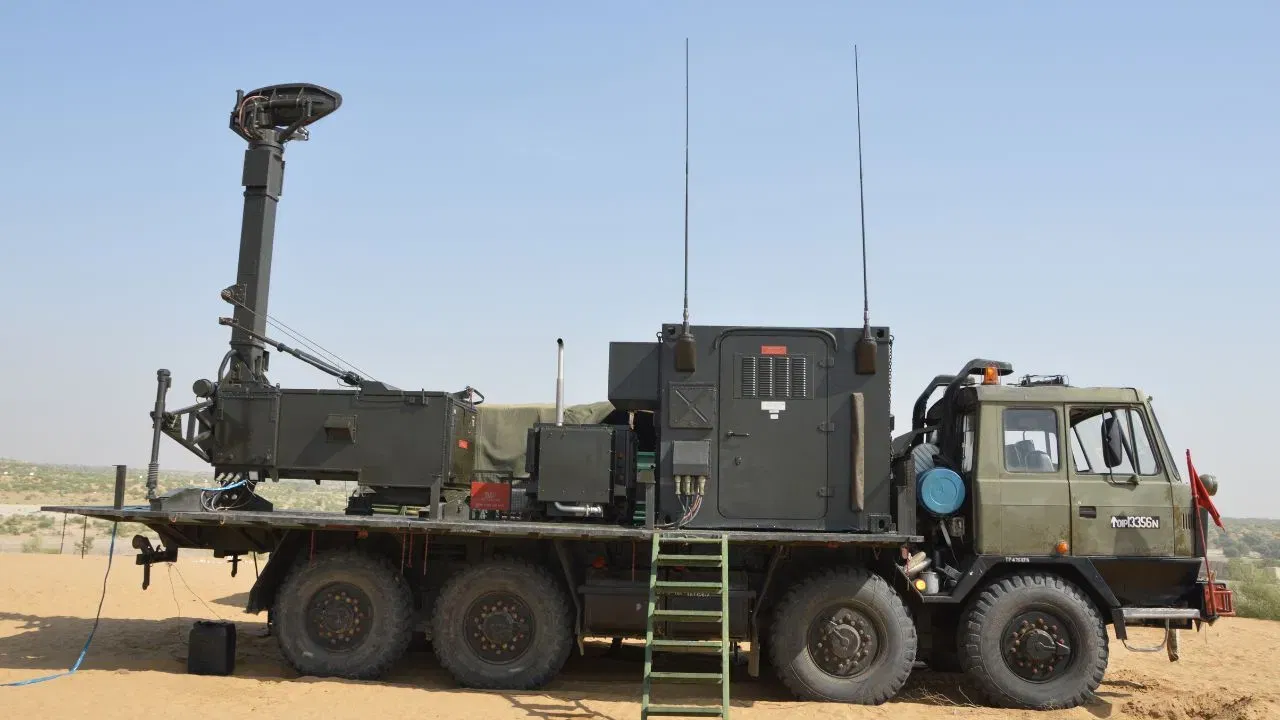
India’s indigenous air defense system Akashteer, which demonstrated its effectiveness during Operation Sindoor, is set to become the strongest shield of the Indian Army across all levels.
According to defense sources, around 275 of the 455 planned systems have already been delivered under the Akashteer project. By 2026, all air defense sensors will be integrated at brigade and unit levels. Currently, both the Northern border (China) and the Western border (Pakistan) are fully covered, with Akashteer already deployed at every corps level.
During Operation Sindoor, despite drone, missile, and rocket attacks from Pakistan, Indian bases remained secure. Akashteer played a key role by tracking hostile activity in real-time and enabling timely neutralisation—even though at that point, only 60% of the project was operational.
Key Features of Akashteer
-
Unified Radar Network: The system connects radars of both the Army and Air Force, providing a single real-time picture.
-
Instant Identification: Operators can immediately distinguish between enemy and friendly aircraft or drones.
-
Enhanced Reaction Time: Unlike earlier systems where radar data had to be manually analysed and coordinated, Akashteer automatically integrates all inputs, reducing response delays.
-
All-Terrain, All-Weather Coverage: Units across borders and varying geographies now see the same situational picture simultaneously.
Stronger Air Defense Network
The induction of Akashteer has significantly boosted India’s situational awareness and response capability. With full deployment expected next year, the Indian Army’s air defense shield will be faster, smarter, and more reliable, ensuring the country remains protected against evolving aerial threats.