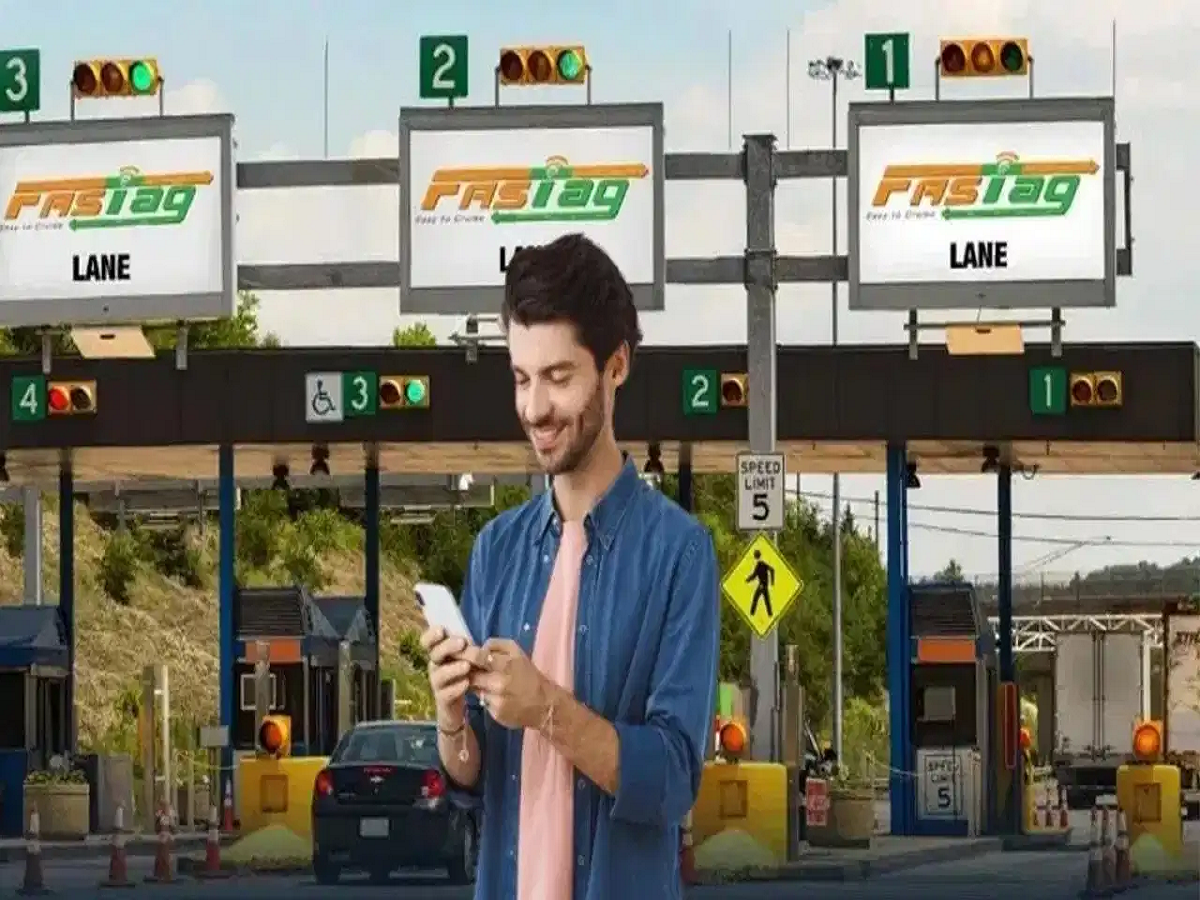
FASTag has made paying toll charges on highways faster and more convenient. The small RFID sticker attached to a vehicle's windshield allows toll payments to be processed electronically, reducing the need to stop and pay in cash.
However, changing the bank that issued your FASTag has traditionally involved additional hassle, including getting a new tag. The new OneTag facility aims to make this process simpler by allowing eligible users to switch their FASTag-issuing bank without replacing the sticker.
Think of OneTag as a system similar to mobile number portability: you can change the service provider while retaining the same identity.
Here are five important things to know.
1. Your FASTag Sticker Can Stay on the Vehicle
One of the key features of OneTag is that users do not have to remove their existing FASTag sticker when switching banks.
The FASTag's Tag ID and vehicle registration details remain associated with the vehicle. This means users can avoid the inconvenience of obtaining and attaching another sticker.
2. You Can Switch the Issuing Bank
OneTag is designed to make it easier to move an existing FASTag relationship from one issuing bank to another.
Once the portability process is completed, the relevant backend records are updated and the new bank takes responsibility for providing FASTag-related services.
This can be particularly useful for customers who want to change banks because of service-related issues or other preferences.
3. Toll Payments Will Continue Through FASTag
Changing the issuing bank does not mean that the way you pay tolls will fundamentally change.
Users can access the OneTag facility through the NHAI's RajmargYatra app, while toll transactions will continue to be processed through the existing NETC ecosystem.
So, once the porting process is complete, the FASTag can continue to be used at supported toll plazas as before.
4. What Happens to the Balance in Your Old FASTag?
This is an important point to remember.
The balance in your existing FASTag wallet does not automatically move to the new bank simply because you switch the issuer.
Any remaining balance, refunds or pending transactions with the old issuing bank will need to be settled by that bank. It is therefore advisable to check your old FASTag account for pending transactions and available balance before initiating the switch.
5. Why Has OneTag Been Introduced?
OneTag is intended to reduce the inconvenience associated with changing FASTag-issuing banks.
Previously,
OneTag Explained: Now Change Your FASTag Bank Without Removing the Sticker — 5 Things to Know
FASTag has made paying toll charges on highways faster and more convenient. The small RFID sticker attached to a vehicle's windshield allows toll payments to be processed electronically, reducing the need to stop and pay in cash.
However, changing the bank that issued your FASTag has traditionally involved additional hassle, including getting a new tag. The new OneTag facility aims to make this process simpler by allowing eligible users to switch their FASTag-issuing bank without replacing the sticker.
Think of OneTag as a system similar to mobile number portability: you can change the service provider while retaining the same identity.
Here are five important things to know.
1. Your FASTag Sticker Can Stay on the Vehicle
One of the key features of OneTag is that users do not have to remove their existing FASTag sticker when switching banks.
The FASTag's Tag ID and vehicle registration details remain associated with the vehicle. This means users can avoid the inconvenience of obtaining and attaching another sticker.
2. You Can Switch the Issuing Bank
OneTag is designed to make it easier to move an existing FASTag relationship from one issuing bank to another.
Once the portability process is completed, the relevant backend records are updated and the new bank takes responsibility for providing FASTag-related services.
This can be particularly useful for customers who want to change banks because of service-related issues or other preferences.
3. Toll Payments Will Continue Through FASTag
Changing the issuing bank does not mean that the way you pay tolls will fundamentally change.
Users can access the OneTag facility through the NHAI's RajmargYatra app, while toll transactions will continue to be processed through the existing NETC ecosystem.
So, once the porting process is complete, the FASTag can continue to be used at supported toll plazas as before.
4. What Happens to the Balance in Your Old FASTag?
This is an important point to remember.
The balance in your existing FASTag wallet does not automatically move to the new bank simply because you switch the issuer.
Any remaining balance, refunds or pending transactions with the old issuing bank will need to be settled by that bank. It is therefore advisable to check your old FASTag account for pending transactions and available balance before initiating the switch.
5. Why Has OneTag Been Introduced?
OneTag is intended to reduce the inconvenience associated with changing FASTag-issuing banks.
Previously, customers wanting to switch banks could face the additional step of obtaining a new FASTag and replacing the sticker attached to their vehicle. With portability, the same FASTag identity can remain linked to the vehicle while the issuing bank changes.
This could make FASTag management more convenient for users who want to move to another participating bank.
OneTag Could Make FASTag Management Easier
The basic idea behind OneTag is simple: change the issuing bank without having to replace the FASTag sticker.
Before switching, however, users should check the eligibility and process available through the official NHAI channels and ensure that any outstanding balance or transactions with their existing issuer are properly settled.
customers wanting to switch banks could face the additional step of obtaining a new FASTag and replacing the sticker attached to their vehicle. With portability, the same FASTag identity can remain linked to the vehicle while the issuing bank changes.
This could make FASTag management more convenient for users who want to move to another participating bank.
OneTag Could Make FASTag Management Easier
The basic idea behind OneTag is simple: change the issuing bank without having to replace the FASTag sticker.
Before switching, however, users should check the eligibility and process available through the official NHAI channels and ensure that any outstanding balance or transactions with their existing issuer are properly settled.