BUSINESS
New Government Scheme for Farmers: PM Dhan-Dhaanya Krishi Yojana Targets 100 Agricultural Districts—Check Its Benefits
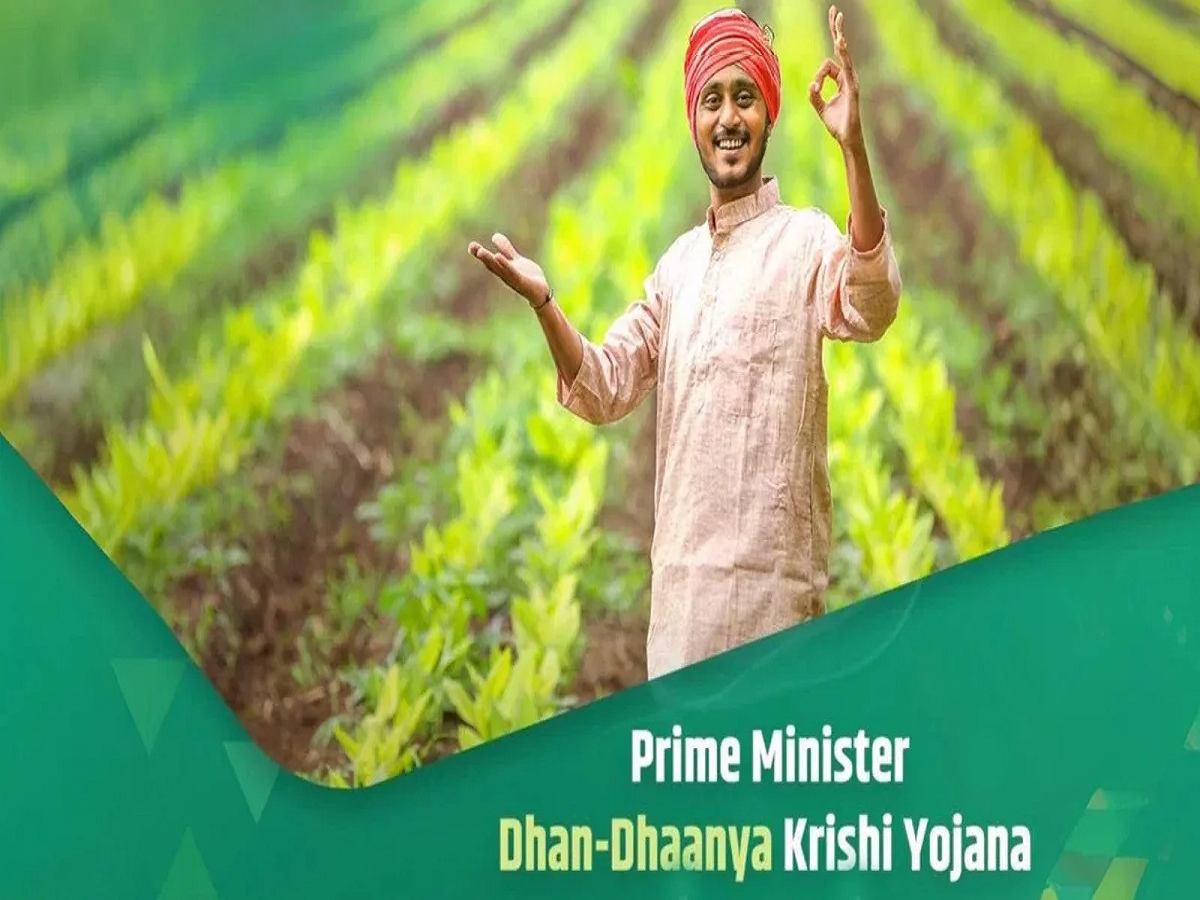
Farmers across India face several challenges, including unpredictable weather, limited irrigation facilities, low crop productivity and difficulties accessing agricultural credit. To address some of these issues, the Government of India is implementing the Pradhan Mantri Dhan-Dhaanya Krishi Yojana (PMDDKY), a programme designed to improve agricultural productivity and rural livelihoods in selected districts.
The initiative focuses on areas where agricultural performance and access to essential farming facilities need improvement. Rather than offering a single cash payment to every farmer, the scheme brings together multiple government programmes to support agriculture and related activities.
The government highlighted the initiative in an official backgrounder published on October 10, 2026. <Cite refs={["turn869456search10"]}/>
What Is the PM Dhan-Dhaanya Krishi Yojana?
PMDDKY was announced in the Union Budget 2025–26 and approved by the Union Cabinet in July 2025. The programme is designed to improve agricultural outcomes in 100 districts across the country.
It draws inspiration from the Aspirational Districts Programme and aims to coordinate existing schemes across agriculture and related sectors.
The programme has an annual outlay of ₹24,000 crore and is planned for an initial period of six years, beginning in 2025–26.
What Are the Main Objectives of the Scheme?
The programme focuses on improving agricultural conditions in selected districts through coordinated planning and implementation.
Its main objectives include:
-
Increasing agricultural productivity.
-
Improving access to irrigation facilities.
-
Encouraging crop diversification and sustainable farming practices.
-
Improving access to agricultural credit.
-
Strengthening storage facilities after harvesting.
-
Promoting livestock, dairy and fisheries-related activities.
-
Helping farmers improve their incomes and reduce agricultural risks.
The exact activities undertaken depend on the needs and agricultural conditions of each selected district.
Who Can Benefit From PMDDKY?
The programme is primarily designed to support farmers and rural communities in the 100 selected districts.
Potential beneficiaries may include farmers who need better irrigation, access to credit, improved storage facilities or support for diversifying their crops. People involved in livestock, dairy and fisheries activities may also benefit from relevant interventions.
However, the scheme should not be understood as an automatic cash-transfer programme for every farmer in India. Benefits depend on the district-level plan, the specific programme being implemented and the eligibility rules applicable to that intervention.
How Will the Scheme Help Farmers?
1. Better irrigation facilities
Limited access to irrigation can leave farmers heavily dependent on rainfall. Improvements in water availability and irrigation infrastructure can help support more reliable crop production.
2. Improved agricultural productivity
District-level planning can help identify local farming challenges and direct resources towards measures that improve crop yields and agricultural efficiency.
3. Better storage infrastructure
Inadequate storage can lead to post-harvest losses and force farmers to sell produce quickly. Improving storage facilities can help preserve agricultural produce and provide farmers with more flexibility when deciding when to sell.
4. Access to agricultural credit
Affordable and timely credit can help farmers purchase seeds, fertilisers, equipment and other essential inputs. The scheme aims to improve coordination with existing agricultural credit programmes.
5. Diversification into allied activities
Livestock, dairy and fisheries can provide additional income opportunities for rural households, reducing dependence on a single crop or agricultural season.
How Can Farmers Find Out Whether Their District Is Covered?
Farmers should first check whether their district is among the 100 districts selected for the programme.
They can seek information through their district agriculture office, state agriculture department, local Krishi Vigyan Kendra or Gram Panchayat. These institutions can help explain which agricultural interventions are being implemented locally and what eligibility conditions apply.
Farmers should also ask whether they need to register separately for a particular benefit, as different activities may follow different application procedures.
Is There an Online Application Portal?
PMDDKY coordinates existing programmes rather than providing one universal application for a fixed cash benefit to every farmer.
For this reason, the application process depends on the particular assistance being offered in a district. Farmers may need to apply through the relevant agriculture department, a participating financial institution or the portal associated with the specific scheme.
For official updates, visit the Ministry of Agriculture and Farmers Welfare at https://agriwelfare.gov.in/ or the Government of India's National Portal at https://www.india.gov.in/.
What Should Farmers Keep in Mind?
Before applying for any agricultural benefit, farmers should verify the official eligibility conditions, required documents and deadlines.
They should avoid paying unofficial agents who promise guaranteed benefits. If an application requires Aadhaar, bank or land-record details, those details should be submitted only through authorised government channels.
Farmers should also distinguish between the overall PMDDKY programme and the individual schemes or projects being implemented in their districts.
Final Words
The Pradhan Mantri Dhan-Dhaanya Krishi Yojana aims to improve agricultural productivity and rural development by focusing on 100 selected districts. Its approach combines better irrigation, storage, credit access, crop diversification and support for allied agricultural activities.
For farmers, the most useful next step is to check whether their district is covered and find out which specific interventions are available locally. The benefits will depend on district-level implementation and the eligibility rules of the relevant programme.