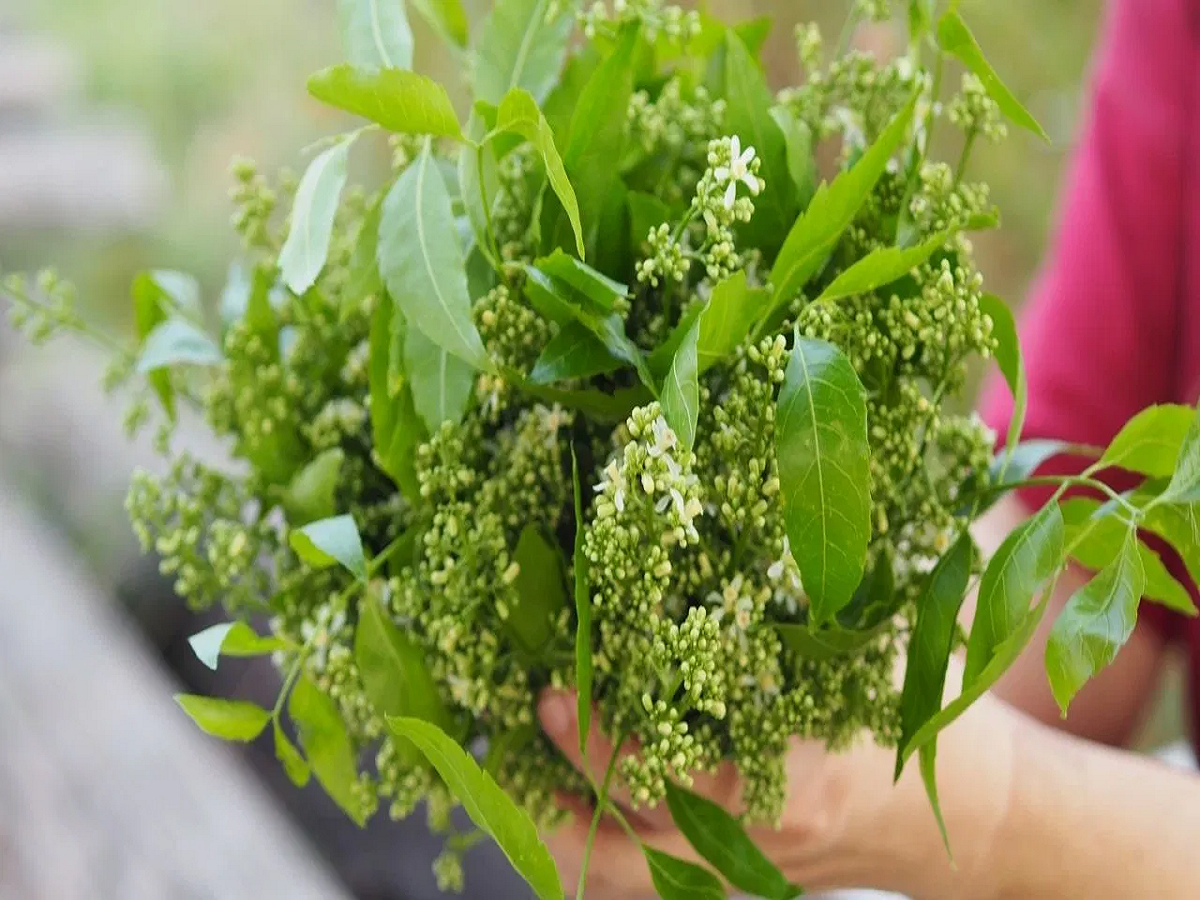
Neem has been valued in traditional Indian medicine for centuries for its wide range of therapeutic properties. Almost every part of the neem tree—its leaves, flowers, fruit, bark and roots—has been used to address ailments ranging from infections and inflammation to skin and dental problems. Today, neem continues to be widely used in skincare and wellness products due to its natural medicinal qualities.
Medical literature, including studies cited by the National Library of Medicine, notes that neem (Azadirachta indica) possesses anti-inflammatory, antibacterial, antifungal, antiviral and antioxidant properties. These qualities make it particularly useful in managing common skin concerns such as acne, blemishes, rashes and minor infections.
Neem face pack for acne and blemishes
Neem leaves are commonly used in homemade face packs to improve skin texture and reduce pimples. A paste prepared by grinding neem leaves and mixing them with multani mitti, a small pinch of turmeric, sandalwood powder, rose water and aloe vera can be applied to the face twice a week. After leaving it on for 20–25 minutes, the face should be washed with clean water and followed by a moisturiser. Regular use may help reduce excess oil and improve skin clarity.
Neem for scalp health
Skin experts note that an unhealthy scalp often leads to problems such as dandruff, itching and hair fall. Neem oil or neem leaf juice is traditionally used to maintain scalp hygiene and prevent fungal infections. Regular application may help control dandruff and is also considered effective against head lice.
Neem bark for skin infections
Neem bark is also believed to have strong antibacterial properties. A paste made by rubbing neem bark on a stone with milk or rose water can be applied to areas affected by pimples, minor rashes or itching. This remedy is commonly used to soothe irritated skin and reduce small infections.
Bathing with neem-infused water
Boiling neem leaves in water and using the strained solution for bathing is another traditional practice. This method is believed to help maintain overall skin hygiene and may reduce the risk of fungal infections such as ringworm, scabies and persistent itching.
Consuming neem leaves: precautions advised
Some people consume a small number of neem leaves in the morning, believing it helps “purify the blood” and improve skin health. However, doctors advise caution. Neem consumption may not be suitable for everyone, particularly individuals with diabetes, pregnant women or those with underlying medical conditions. Medical consultation is recommended before regular intake.
Experts emphasise that while neem can support skin health, persistent or severe skin problems should always be evaluated by a dermatologist. Natural remedies work best as supportive care, not as a substitute for medical treatment.