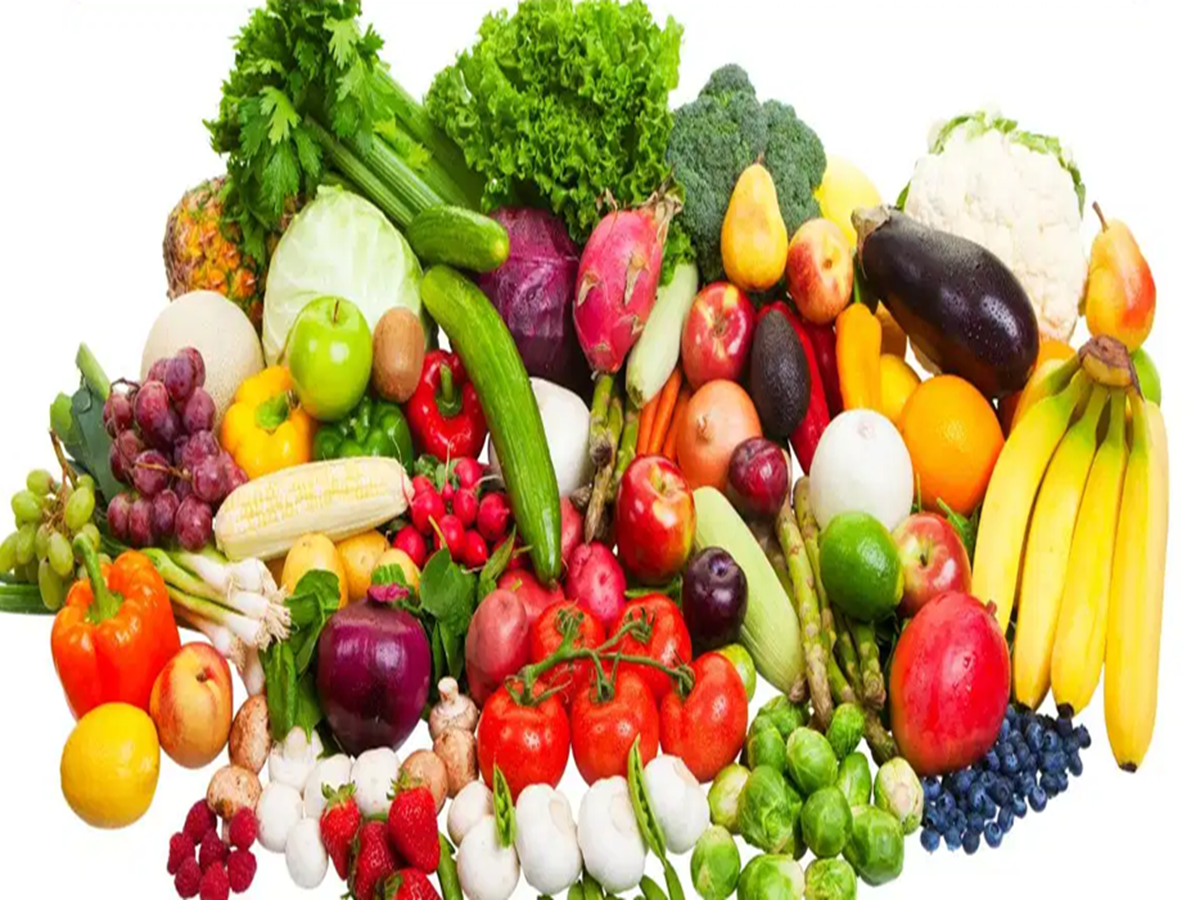
The rainy season brings pleasant weather, but it also creates ideal conditions for fruits and vegetables to spoil quickly. High humidity during the monsoon encourages the growth of mold, bacteria, and other microorganisms, causing produce to become soft, rotten, or lose its freshness much sooner than usual. In some cases, fruits and vegetables may even appear fine on the outside while already spoiling from within.
Proper storage during this season is essential to preserve not only freshness and taste but also nutritional value. Eating spoiled produce can increase the risk of stomach infections and food poisoning. Here’s how you can keep your fruits and vegetables fresh for longer during the monsoon.
Tips to Keep Fruits and Vegetables Fresh
Start by carefully inspecting all fruits and vegetables after bringing them home. Remove any bruised, damaged, or spoiled items immediately, as they can speed up the spoilage of nearby produce.
Avoid washing fruits and vegetables before storing them. Instead, wash them just before use, since excess moisture encourages mold and bacterial growth.
Store produce in a clean, dry, and well-ventilated place. Items that need refrigeration should be kept in separate clean containers or mesh bags to allow proper airflow.
For leafy greens, wrapping them in a clean cloth or paper towel can help absorb excess moisture and extend their freshness.
It is also a good idea to keep different types of fruits and vegetables separate. Some fruits release natural gases that can accelerate the ripening and spoilage of nearby produce. Regularly check your stored fruits and vegetables and use older items first.
Common Storage Mistakes to Avoid
To reduce spoilage during the rainy season, avoid these common mistakes:
- Never refrigerate fruits or vegetables while they are still wet.
- Avoid overfilling storage containers or refrigerator shelves, as poor airflow can lead to faster spoilage.
- Do not keep rotten or damaged produce with fresh items.
- Check refrigerated fruits and vegetables regularly instead of leaving them untouched for days.
- Avoid storing produce in tightly sealed plastic bags for long periods, as trapped moisture can encourage mold growth.
Signs That Fruits and Vegetables Have Gone Bad
Spoiled produce often shows clear warning signs. Watch out for:
- Unpleasant or sour smell
- Visible mold
- Discoloration
- Excessive softness or mushy texture
- Water leaking from the fruit or vegetable
- Leafy greens that appear wilted, slimy, or sticky
If you notice any of these signs, it is best to discard the item. Consuming spoiled fruits or vegetables may lead to food poisoning, stomach infections, or other digestive problems.
Bottom Line
Keeping fruits and vegetables fresh during the monsoon requires a little extra care. Storing them in a dry, well-ventilated space, avoiding excess moisture, separating different types of produce, and checking them regularly can help reduce spoilage and keep your food safe, fresh, and nutritious for longer.