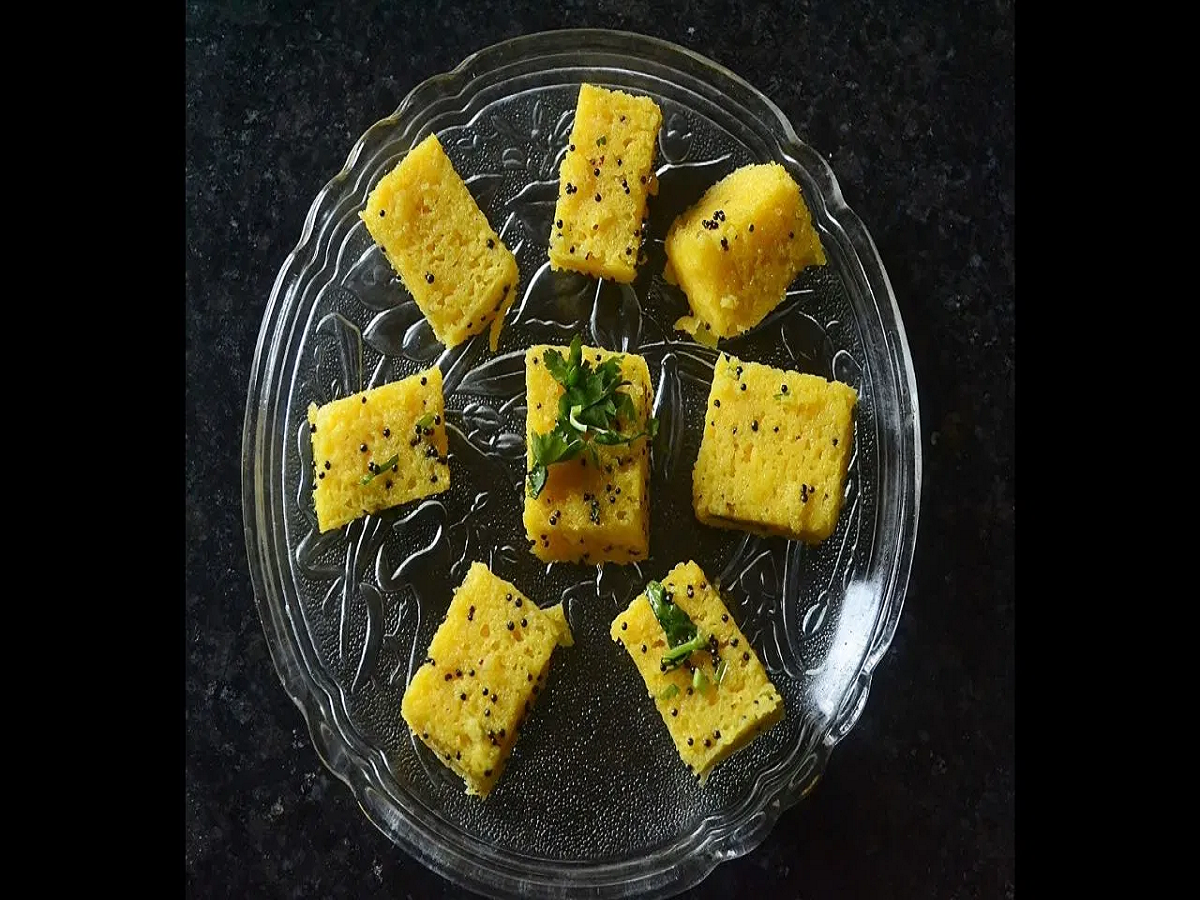
Khaman Dhokla is more than just a snack; it’s a Gujarati masterpiece. That iconic sweet, tangy, and impossibly spongy texture is what makes it irresistible. However, many home cooks struggle to replicate that cloud-like softness, often ending up with a dense, flat dish that refuses to soak up the flavorful tadka.
If you’ve been chasing the perfect, juicy Dhokla, the secret isn't just in the ingredients—it’s in the timing and the technique.
The Two Paths to Perfection: Traditional vs. Instant
You don’t always need leavening agents to get that perfect rise.
-
The Traditional Way: Authentic Gujarati Dhokla relies on natural fermentation. By grinding chana dal and letting the batter sit overnight (or 5–6 hours in the summer), you allow the natural cultures to create a beautiful, airy texture without any additives.
-
The Instant Method: If you're short on time, you can achieve similar results, but you must prioritize the "whisking factor." Whisk your gram flour batter thoroughly until it becomes aerated and light. Pro-tip: Test the batter by dropping a small amount into a bowl of water; if it floats, your batter is perfectly aerated and ready.
The "Red Dot" Problem: Why Turmeric Matters
Have you ever noticed strange red spots on your instant Dhokla? That’s a chemical reaction between turmeric and your leavening agent (Eno).
-
The Fix: Never add dry turmeric directly to the batter. Instead, dissolve your turmeric, sugar, and salt into water first, then mix that colored water into your gram flour. This ensures a consistent, vibrant yellow color without any red spots.
The Golden Rule: Timing Your Eno or Baking Soda
This is where most home cooks stumble. Whether you use Eno or baking soda, the timing is critical.
-
Wait for the Steam: Do not add your leavening agent while you are still prepping. Only add the Eno or baking soda the moment your steamer water is boiling and your tin is greased.
-
Keep the Fizz: The bubbles created by the Eno are what create the "lattice" structure (the spongy holes) in the Dhokla. If you add it too early, the fizz escapes before the cake can set, resulting in a dense, chewy texture.
Mixing Mastery
Once you’ve added your Eno or baking soda:
-
Stir in one direction only to keep the air trapped inside.
-
Don’t over-mix. Just stir enough to incorporate the agent thoroughly.
-
Steam immediately. Pour the batter into the tin and get it into the steamer right away.
-
The Toothpick Test: Steam for 15–20 minutes. If a toothpick inserted into the center comes out clean, your masterpiece is ready to be drizzled with that signature tadka.