BUSINESS
Major change in Antyodaya Anna Yojana: Ration distribution now on 'per capita' basis instead of 'per family'
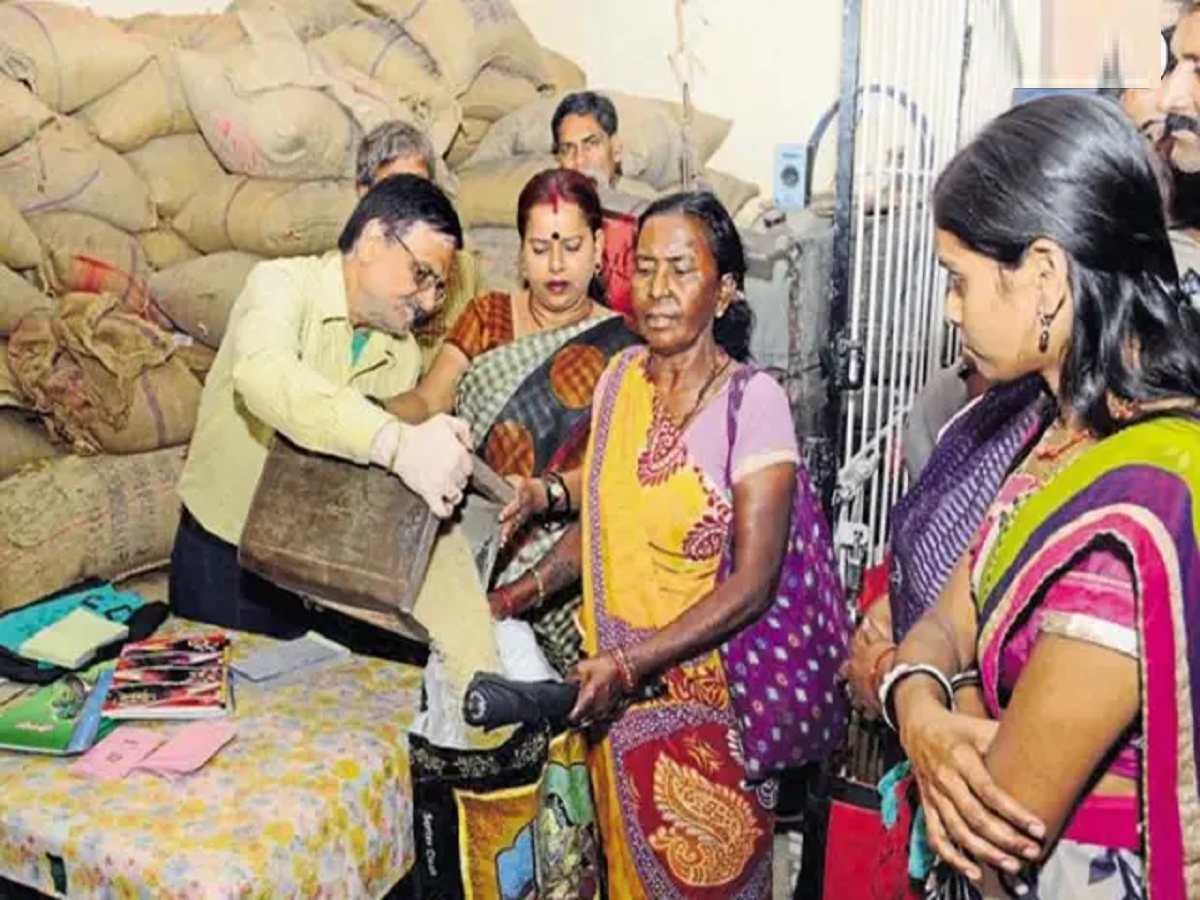
New Ration Rules 2026: Changes are underway in the Antyodaya Anna Yojana (AAY). Learn about the proposed 7 kg ration per person, its pros and cons, and an update on the government's issuance of 3 crore new ration cards.
New Ration Rule 2026: India's Public Distribution System (PDS) is undergoing a major overhaul. The central government is preparing to restructure the rules of the Antyodaya Anna Yojana (AAY). The government has proposed shifting the ration distribution system, which was previously based on family size, to a per capita distribution system. The primary objective behind this change is to eliminate discrepancies in ration distribution and ensure proper distribution of grains to those in need.
Key features of the proposal
According to the new draft of the government, the rules for the beneficiaries of Antyodaya Anna Yojana (AAY) will be as follows.
- Per capita quota: Every member of the family will be given 7 kg of grain every month.
- Maximum limit: However, the total grain limit for any family will remain at 35 kg per month.
- Objective: To bring transparency in ration distribution and stop black marketing of grains.
Why was this change brought about?
There was a major contradiction in the current system. A two-member family and a six-member family received the same 35 kg of ration. This resulted in a two-person family receiving 17.5 kg of grain per person, while a family of six received significantly less. The government has identified this as "intra-category inequity." This change will save the excess grain that smaller families receive, which can be distributed to others in need.
Who will it affect and how?
This change will not be the same for all families. It is important to understand its implications.
- Impact on small families (1-4 members): Families with fewer members may see a reduction in the amount of grain they receive. For example, a family of three, which previously received 35 kg, may now receive 21 kg.
- Impact on medium and large families: Families with 5 members will still get only 35 kg, which will not cause them any significant loss.
- Challenge for large families: The maximum limit of 35 kg remains in place for families with six or more members. This means that large families will still only receive 5-6 kg of grain per person.
3 crore new ration cards
Food Minister Prahlad Joshi clarified that the names of fake and ineligible beneficiaries have been removed from the system. Following this weeding out, the government is beginning the process of issuing ration cards to approximately 30 million new eligible people. This is a major relief for poor families who were previously excluded from the scheme.
Important Dates and Procedure
This is a proposal currently being floated under the 'National Food Security (Amendment) Bill 2026.' If you would like to share your opinion on it, please:
- Give suggestions: The government has sought suggestions from the public, states and experts by July 13, 2026.
- Final decision: This draft will be converted into law only after analyzing the reactions.
- Implementation: It will be effective across the country only after it is passed in Parliament.
PC: Prabhat Khabar