BUSINESS
Low Investment, Big Protection: 6 Government Schemes Every Common Citizen Should Know About
Life is unpredictable, and emergencies often arrive without warning. While many people believe that insurance and financial security are meant only for the wealthy, the reality is quite different. The Government of India runs several welfare schemes that allow citizens to secure their health, life, and future with extremely low investment—sometimes costing less than ₹100 a year.
Despite being affordable and highly beneficial, a large section of the population remains unaware of these schemes. With just a little awareness and timely action, families can protect themselves from financial shocks caused by accidents, illness, or old age. Here are six government-backed schemes that offer strong financial security at minimal cost.
1. Pradhan Mantri Suraksha Bima Yojana (PMSBY)
This scheme is designed for individuals seeking accidental insurance at a very low cost. The annual premium is just ₹20. In return, the policy provides coverage of ₹2 lakh in case of accidental death or permanent disability. If the insured suffers partial disability, the cover amount is ₹1 lakh.
Any individual between 18 and 70 years with a bank account can enroll in PMSBY. The premium is automatically debited from the linked bank account, making it a hassle-free option for accident protection.
2. Pradhan Mantri Jeevan Jyoti Bima Yojana (PMJJBY)
Unlike PMSBY, which covers only accidents, PMJJBY offers life insurance coverage for death due to any reason. The yearly premium is ₹436, which comes to less than ₹40 per month. In the event of the policyholder’s death, the nominee receives ₹2 lakh.
This scheme is open to individuals aged 18 to 50 years and is especially important for families with a single earning member, as it ensures financial support during difficult times.
3. Ayushman Bharat – PM Jan Arogya Yojana (PM-JAY)
Ayushman Bharat is one of the largest government-funded health insurance programs in the world. Eligible families receive free medical treatment up to ₹5 lakh per year. There is no premium required from beneficiaries.
The scheme covers serious illnesses such as cancer, heart disease, and kidney-related treatments. Both government and empanelled private hospitals offer cashless treatment under this program, reducing the financial burden of healthcare.
4. Aam Aadmi Bima Yojana (AABY)
AABY focuses on people working in unorganized sectors such as agricultural laborers, weavers, and fishermen. The annual premium is ₹200, out of which half is paid by the government.
The scheme provides ₹30,000 coverage for natural death and ₹75,000 for accidental death. It also includes scholarship benefits for children of insured families, supporting education alongside financial protection.
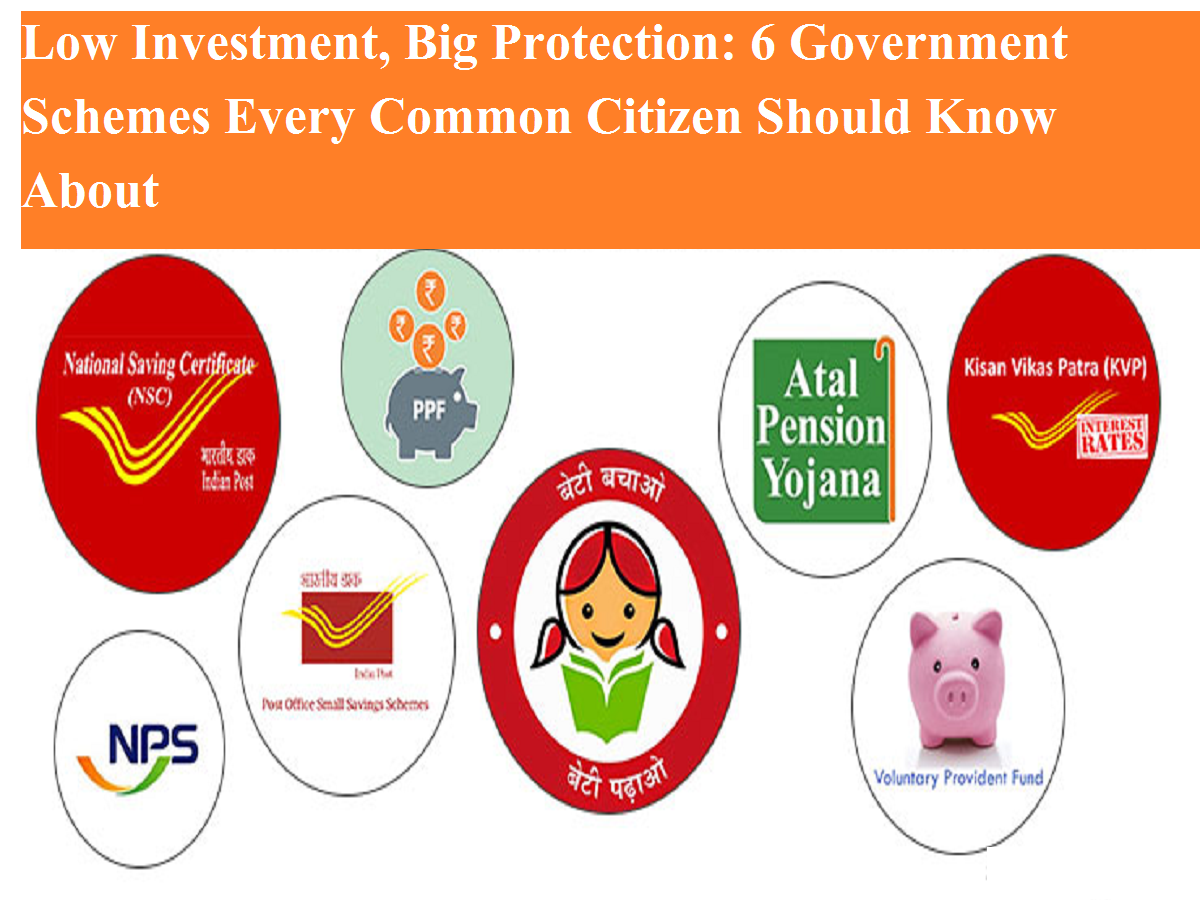
5. Atal Pension Yojana (APY)
Financial security in old age is just as important as insurance. APY allows individuals to start saving with very small monthly contributions—sometimes as low as ₹50—depending on age.
After turning 60, subscribers receive a guaranteed monthly pension ranging from ₹1,000 to ₹5,000. In case of the subscriber’s death, the pension continues for the spouse, and later the accumulated amount is returned to the nominee.
6. State Government Health Insurance Schemes
Apart from central schemes, many state governments run their own health insurance programs. These schemes offer free or low-cost treatment for major illnesses. Examples include region-specific health initiatives that provide cashless treatment in selected hospitals.
Citizens should check eligibility and benefits of their respective state schemes, as they often complement central government programs.
How to Enroll in These Schemes
Most of these schemes can be activated by visiting a bank branch or through net banking facilities. Once enrolled, premiums are auto-debited annually, ensuring continuous coverage.
Insurance is not just an expense—it is a responsibility toward your family. Preparing today ensures financial stability tomorrow, and these government schemes make that preparation affordable for everyone.