BUSINESS
JPMorgan Chase Banking Outage: No Cyberattack, Yet Thousands of Customers Could Not Access Their Accounts. What Went Wrong?
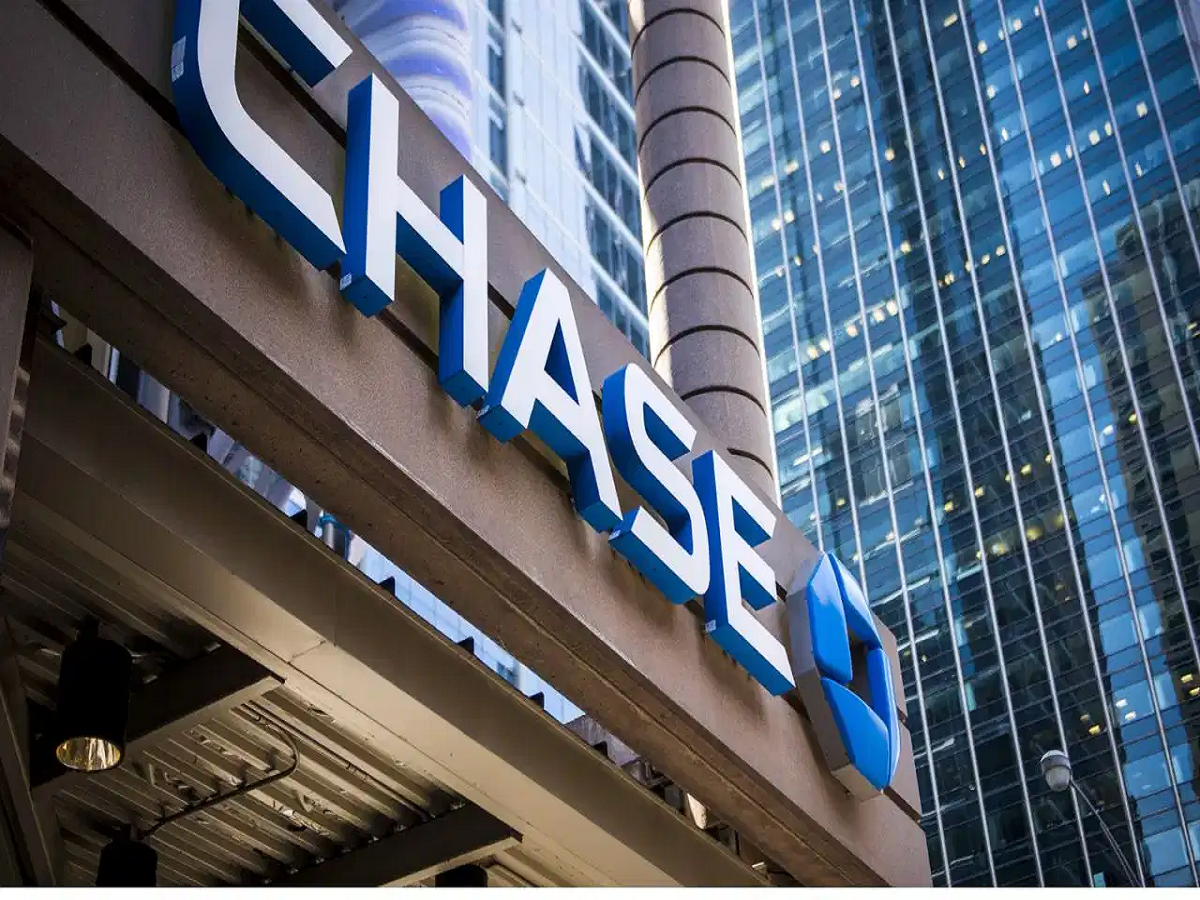
Thousands of customers in the United States faced difficulties accessing online banking services on Monday after a technical failure disrupted operations at JPMorgan Chase, one of the country's largest banks. The problem also affected certain transactions involving other financial institutions and the popular payment platform Zelle.
The sudden disruption raised concerns among customers, with many initially suspecting a possible cyberattack. However, JPMorgan Chase clarified that the outage was caused by a software bug in its internal hardware systems and was not the result of a security breach.
The incident highlighted how a technical failure at a single major bank can affect transactions across a much wider financial network.
Not a Cyberattack, but a Software Bug
When customers attempted to access their accounts through mobile banking or online platforms, several encountered messages informing them that certain services were temporarily unavailable.
The disruption created uncertainty among customers who rely on digital banking for everyday transactions.
However, JPMorgan Chase spokesperson Joe Evangelisti clarified that the problem originated from a software bug affecting the bank's on-premises hardware systems.
He confirmed that the outage was not connected to a cyberattack and said the bank was working to restore affected services by the end of Monday.
This distinction was important because the disruption involved banking infrastructure rather than an external attempt to gain unauthorised access to customer accounts.
Why Were Customers of Other Banks Also Affected?
One of the most surprising aspects of the incident was that customers of other banks also experienced transaction delays.
However, this did not mean that the entire US banking system had stopped working.
According to JPMorgan Chase, the problem was specific to its own systems. Other major financial institutions, including Bank of America and Citigroup, did not experience direct outages in their banking services.
The disruption mainly affected customers attempting to complete transactions involving Chase accounts.
For example, if a customer at another bank tried to transfer money to someone using Chase, the transaction could be delayed because the receiving or processing bank's systems were experiencing technical difficulties.
A spokesperson for US Bank also clarified that its own systems remained operational. However, customers using Zelle to send or receive money involving other financial institutions could experience delays.
Why Did Zelle Payments Stop Working?
The outage also affected certain transactions through Zelle, a widely used US peer-to-peer payment service that allows customers to transfer money between participating banks.
Zelle is operated by Early Warning Services, which is owned by a group of major US financial institutions, including JPMorgan Chase, Bank of America, Capital One, PNC Bank, Truist, US Bank and Wells Fargo.
Following the disruption, an Early Warning Services spokesperson clarified that Zelle's own network remained operational.
The delays were instead linked to problems at the banking level.
In simple terms, the payment platform could remain functional while individual transactions were delayed because the participating bank's systems were unable to process them properly.
This demonstrates how digital payment services depend on multiple connected systems. Even when an application is working normally, a failure at a participating bank can interrupt the movement of money.
A Series of Technical Disruptions Across the US
The JPMorgan Chase incident came amid a series of technology-related disruptions affecting important services across the United States.
Just days earlier, Microsoft experienced technical problems that affected services including Outlook, Teams and its AI assistant, Copilot.
Air travel also faced disruption after problems involving the country's air traffic control systems reportedly grounded flights across the United States for several hours on Friday.
United Airlines subsequently announced that it had resolved an internal system outage that had contributed to flight delays.
These incidents brought renewed attention to the dependence of essential services on complex digital infrastructure.
What Does the JPMorgan Chase Outage Tell Us?
The incident demonstrates that a cyberattack is not the only threat to digital banking. Software bugs, hardware failures and connectivity problems can also interrupt services used by millions of customers.
Modern banking depends on interconnected systems involving banks, payment networks and financial technology providers. A failure at one major institution can therefore create delays for customers who are not directly associated with that institution.
For customers, the key takeaway is that temporary transaction delays do not automatically indicate fraud or a cyberattack. However, it is important to check official bank updates, avoid repeatedly initiating the same payment and verify transaction status before attempting another transfer.
Ultimately, the JPMorgan Chase outage highlights why reliability, backup infrastructure and effective recovery systems are essential for the modern digital banking ecosystem.