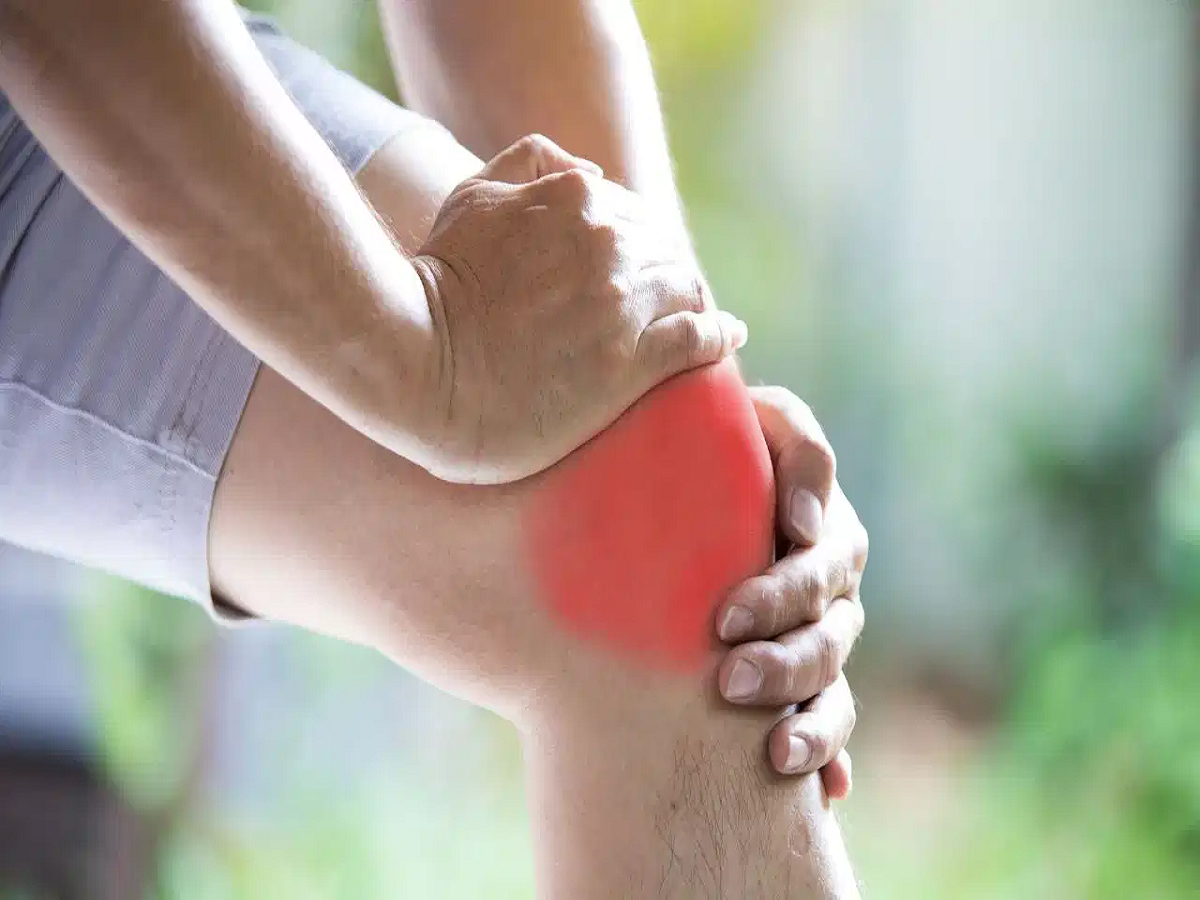
Joint pain is often considered a problem associated with old age, but that is not always the case. Many young people experience pain in the knees, shoulders, elbows, wrists, ankles, and other joints. Depending on the underlying cause, the discomfort may be mild and temporary or severe and persistent.
Joint pain may sometimes occur along with swelling, stiffness, redness, or warmth around the affected area. In some cases, it can even make everyday activities or normal joint movement difficult.
Why Does Joint Pain Happen in Young People?
There are several possible reasons for joint pain at a younger age. Sports players and people involved in intense workouts or physically demanding activities may be more prone to joint injuries and overuse.
A sprain, muscle strain, ligament injury, or repeated stress on a joint can cause pain and inflammation. Performing the same movement repeatedly, especially without adequate rest or recovery, may also put excessive pressure on certain joints.
However, physical activity is not the only possible cause.
Certain medical conditions can also lead to joint pain. For example, gout occurs when uric acid crystals build up in a joint, potentially causing sudden and intense pain and swelling. Rheumatoid arthritis is another condition in which the immune system mistakenly attacks the joints, resulting in inflammation, stiffness, and discomfort.
Other conditions, including osteoarthritis, lupus, fibromyalgia, tendinitis, thyroid-related problems, and some viral infections, may also be associated with joint pain.
When Should You See a Doctor?
Occasional mild joint pain may improve with adequate rest, but recurring or persistent pain should not be ignored.
Medical attention is particularly important if joint pain is accompanied by swelling, redness, unusual warmth, or fever. You should also seek prompt medical care if an injury causes the joint to appear deformed, there is sudden and significant swelling, or the pain is so severe that you cannot move the joint normally.
Don't Ignore Recurring Joint Pain
Joint pain at a young age does not necessarily indicate a serious disease, but repeated or unexplained discomfort deserves attention. Identifying the underlying cause can help prevent the problem from becoming worse.
Instead of regularly relying on painkillers without medical advice, consult a healthcare professional if the pain continues, keeps returning, or interferes with your daily activities. The appropriate treatment will depend on what is causing the joint pain.