BUSINESS
Jal Jeevan Mission 2.0: Government Makes Big Change in Rural Tap Water Scheme, Know What Families Will Get
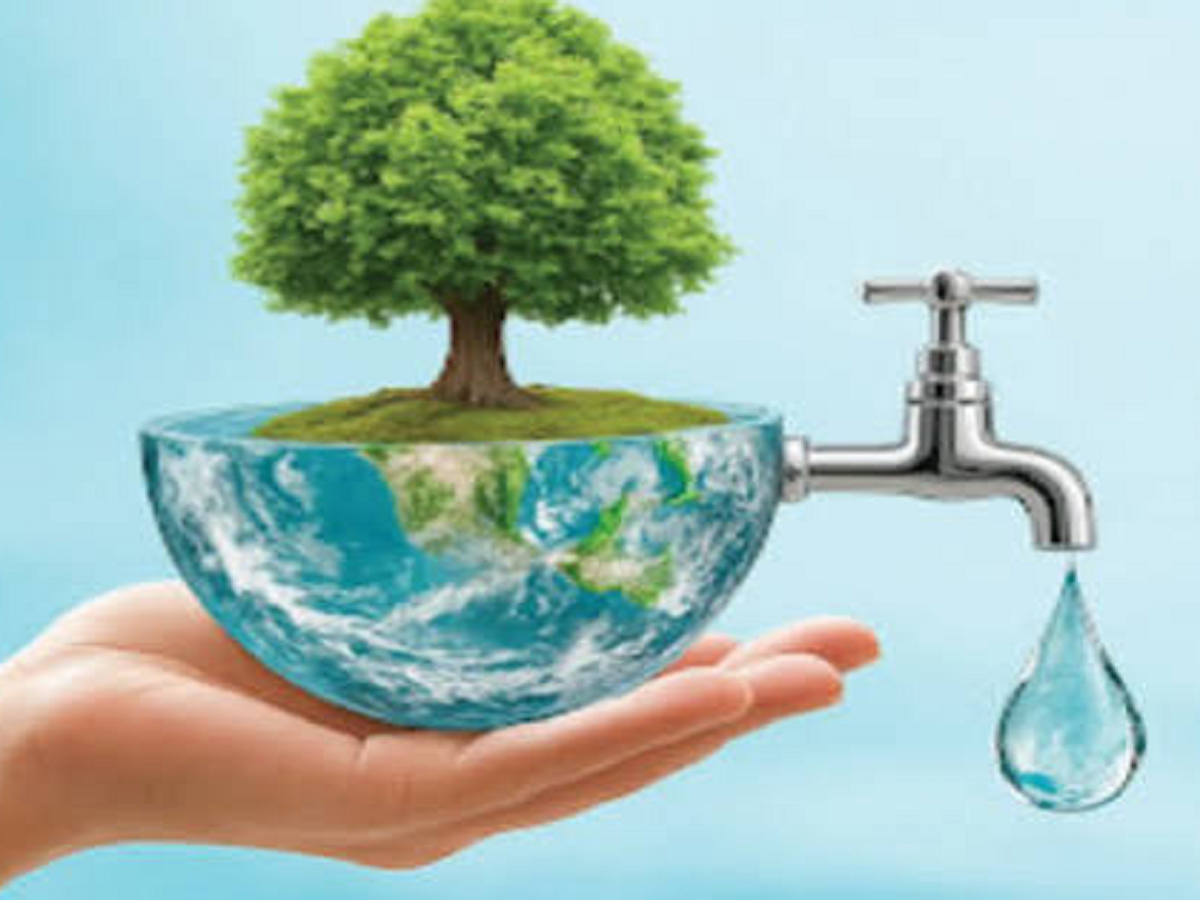
The Government of India has given a major push to Jal Jeevan Mission 2.0, the next phase of its flagship rural drinking-water programme. The revamped mission is not only focused on installing household tap connections but also on ensuring that families continue to receive safe, adequate and reliable drinking water.
The Union Cabinet approved Jal Jeevan Mission 2.0 in March 2026, extending the mission until December 2028. The programme has a total outlay of ₹8.69 lakh crore, including ₹3.59 lakh crore in central assistance.
What is changing under Jal Jeevan Mission 2.0?
The biggest change is the government's shift from simply creating water infrastructure to ensuring that the infrastructure continues to provide reliable services.
Under the earlier approach, the emphasis was largely on providing tap-water connections. The new phase puts greater importance on:
-
Regular and reliable water supply
-
Maintenance of water infrastructure
-
Water quality monitoring
-
Sustainable water sources
-
Community participation
-
Digital monitoring of projects
This means that having a tap connection alone will not be the final goal. The focus is now on making sure the tap actually provides dependable drinking water.
What does this mean for rural households?
For families living in villages, the new approach could mean greater attention to the long-term functioning of their local water supply system.
The government is strengthening the role of Gram Panchayats and Village Water & Sanitation Committees in operating and maintaining water-supply systems.
Communities will also have a greater role in assessing the quality and reliability of water services in their villages.
Government releases thousands of crores to states
Implementation of the new phase is already underway.
During financial year 2026-27, the Centre has reimbursed ₹5,289.09 crore as its share to 10 states. Another ₹865.87 crore has been released through the SNA SPARSH system across 13 states.
The states receiving the central reimbursement include Uttar Pradesh, Odisha, Karnataka, Rajasthan, Chhattisgarh, Andhra Pradesh, Madhya Pradesh, Tamil Nadu, Maharashtra and Kerala.
New digital system to track water projects
One of the notable changes under Jal Jeevan Mission 2.0 is the increased use of digital technology.
The government is introducing Sujalam Bharat IDs for drinking-water assets and geo-tagging and digital mapping of rural water infrastructure through the PM Gati Shakti platform.
This can make it easier to identify individual water assets and track their status.
The SNA SPARSH system is also being used for scheme-based fund release and expenditure tracking, with the aim of improving transparency and monitoring of government spending.
What is Jal Arpan?
Another important feature is Jal Arpan, under which completed water-supply schemes are formally handed over to Gram Panchayats and Village Water & Sanitation Committees.
The idea is to strengthen local ownership after infrastructure is completed.
Instead of depending entirely on higher levels of administration, local bodies will have a greater role in operating and maintaining village water systems.
How will water quality be monitored?
Jal Jeevan Mission 2.0 also places greater emphasis on water quality surveillance.
This is important because providing a tap connection is only useful if the water supplied through it is safe to drink.
The mission therefore includes stronger monitoring and community participation in assessing drinking-water services.
What should rural families do?
If your village has received a household tap connection but faces problems such as irregular supply, poor water quality or non-functional infrastructure, residents should raise the issue with their Gram Panchayat or local Village Water & Sanitation Committee.
The new phase places greater emphasis on community ownership, so local participation is expected to become increasingly important in monitoring water services.
Why is Jal Jeevan Mission 2.0 important?
For rural families, reliable drinking water can reduce the need to collect water from distant sources and can have wider benefits for household hygiene, health and daily life.
The government's new approach recognises that simply installing pipelines and taps is not enough. Those systems also need to work properly for years after installation.
Bottom line
Jal Jeevan Mission 2.0 will continue until December 2028, with the government shifting its focus from simply providing rural tap connections to ensuring reliable, sustainable and safe drinking-water services.
With more money, digital tracking, local community participation and stronger maintenance mechanisms, the revamped mission aims to make household tap water a dependable long-term service rather than just an infrastructure project.