LIFESTYLE
Jal Jeevan Mission 2.0: Government Extends Tap Water Scheme Till 2028, Here’s What Changes
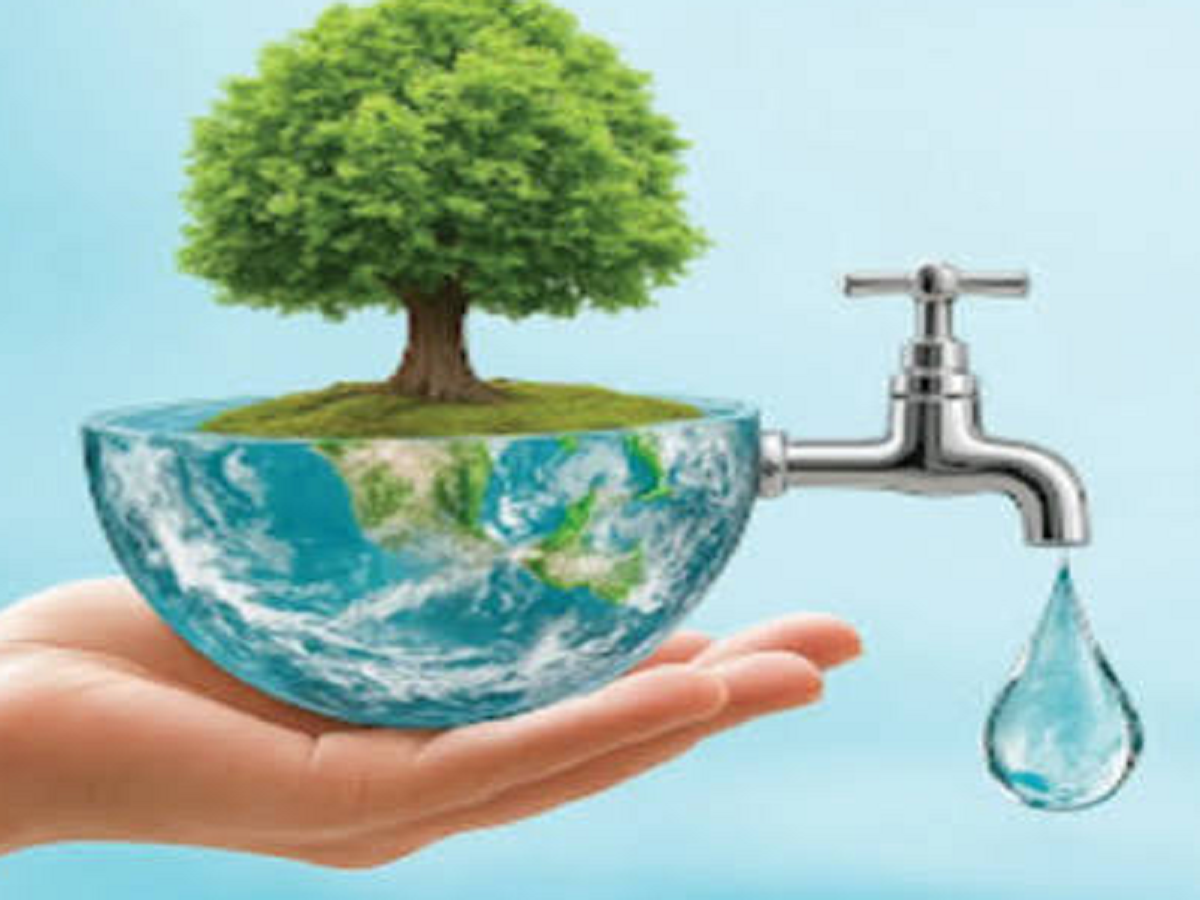
The government has extended the Jal Jeevan Mission until December 2028, giving the rural drinking-water programme a fresh push. The updated Jal Jeevan Mission 2.0 is shifting its focus from simply installing tap connections to ensuring that households receive reliable, adequate and safe water on a regular basis.
The development is important for rural households that already have a tap connection as well as those still waiting for one.
Government Increases the Mission's Budget
The total financial outlay for Jal Jeevan Mission has been increased to ₹8.69 lakh crore, including ₹3.59 lakh crore in central assistance. The government has extended the programme until December 2028 to work towards universal rural tap-water coverage.
The aim is not only to create water infrastructure but also to make sure that the systems continue functioning properly after installation.
More Than 15.9 Crore Rural Homes Now Have Tap Water
When the Jal Jeevan Mission was launched in August 2019, only around 3.23 crore rural households, or 16.72%, had tap-water connections.
According to the latest government figures released in August 2026, more than 15.91 crore rural households now have tap-water supply, representing around 82.24% of rural households.
The government says more than 12.68 crore additional rural households have received tap-water connections since the launch of the mission.
Focus Now Shifts From Taps to Reliable Water Supply
Under JJM 2.0, simply installing a tap will not be enough.
The government is placing greater emphasis on:
-
Regular and adequate water supply
-
Water quality
-
Long-term sustainability of water sources
-
Proper maintenance of water infrastructure
-
Community participation
-
Grievance redressal
-
Better monitoring of water-supply systems
This means the next phase of the programme is intended to focus more strongly on whether the installed systems actually deliver water consistently.
New Digital System Will Track Water Supply
One of the important changes under JJM 2.0 is the introduction of the Sujalam Bharat digital framework.
Under this system, villages and water-supply schemes can be digitally mapped and tracked. The government says more than 1.77 lakh Sujal Gaon IDs linked to over 1.13 lakh water-supply scheme IDs have already been generated.
The objective is to improve monitoring and make it easier to identify problems in rural water-supply infrastructure.
Villagers Will Also Have a Bigger Role
JJM 2.0 places greater emphasis on community participation.
The government plans to use Jal Seva Aankalan to collect feedback from people at the Gram Panchayat level regarding water-supply services. The feedback can then be reflected through the Meri Panchayat platform.
This could give local residents a greater role in reporting problems and assessing whether their water supply is working properly.
What Does This Mean for Rural Families?
For families living in rural areas, the extended mission could mean more than simply getting a new tap connection.
The government's stated objective is to ensure that rural households receive safe drinking water in adequate quantity and on a regular basis, while improving the maintenance and monitoring of existing systems.
The government aims to provide tap-water connections to all 19.36 crore rural households by December 2028.
What to Expect Under JJM 2.0
The next phase of Jal Jeevan Mission is therefore expected to concentrate on the quality and reliability of services rather than just increasing the number of connections.
For rural households, the key question will no longer simply be whether a tap has been installed, but whether it provides safe and adequate water consistently.
With the mission now extended until December 2028 and a significantly larger financial outlay, the government is aiming to move from "Har Ghar Jal" as infrastructure creation to long-term, reliable water service delivery.