NATIONAL
ISRO Suffers Setback as PSLV-C62 Mission Fails; Anvesha Satellite Not Placed in Orbit After Third-Stage Anomaly
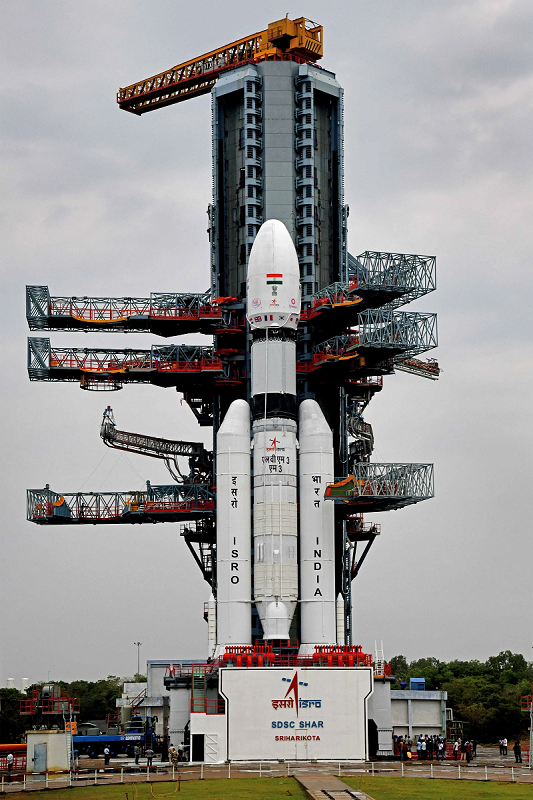
The Indian Space Research Organisation (ISRO) faced a major setback on its PSLV-C62 mission after a technical anomaly was detected in the rocket’s third stage, preventing the Anvesha satellite from being placed into its intended orbit.
According to ISRO, the mission lifted off successfully, but an issue occurred during the PS3 (third stage) phase of the flight. Due to this anomaly, the satellite deviated from its planned trajectory and could not be deployed into orbit. ISRO has since initiated a detailed technical analysis to identify the exact cause of the failure.
The PSLV-C62 rocket was launched from the First Launch Pad at the Satish Dhawan Space Centre in Sriharikota.
In an official post, ISRO stated, “An anomaly was observed towards the end of the PS3 stage of the PSLV-C62 mission. A detailed investigation has been initiated.”
The ISRO Chairman also addressed the issue, saying that a problem in the third stage caused a change in the rocket’s trajectory. “We are analyzing the data, and further updates will be shared,” he said.
About the Anvesha satellite
Anvesha was intended to be placed in a polar Sun-synchronous orbit at an altitude of around 600 kilometres above Earth. The satellite was developed by the Defence Research and Development Organisation (DRDO).
Designed as an advanced surveillance satellite, Anvesha is equipped with high-resolution imaging systems capable of detailed mapping and monitoring. It was expected to capture clear images of strategically important locations, including objects concealed in forests, bushes, or fortified structures, from hundreds of kilometres above the Earth.
While the launch vehicle performed normally in its initial phases, the third-stage anomaly ultimately led to mission failure. ISRO engineers are now closely examining flight data to determine corrective measures for future PSLV missions.