BUSINESS
Is the 20 rupee coin real or fake? Understand RBI standards and identification methods in 5 easy points
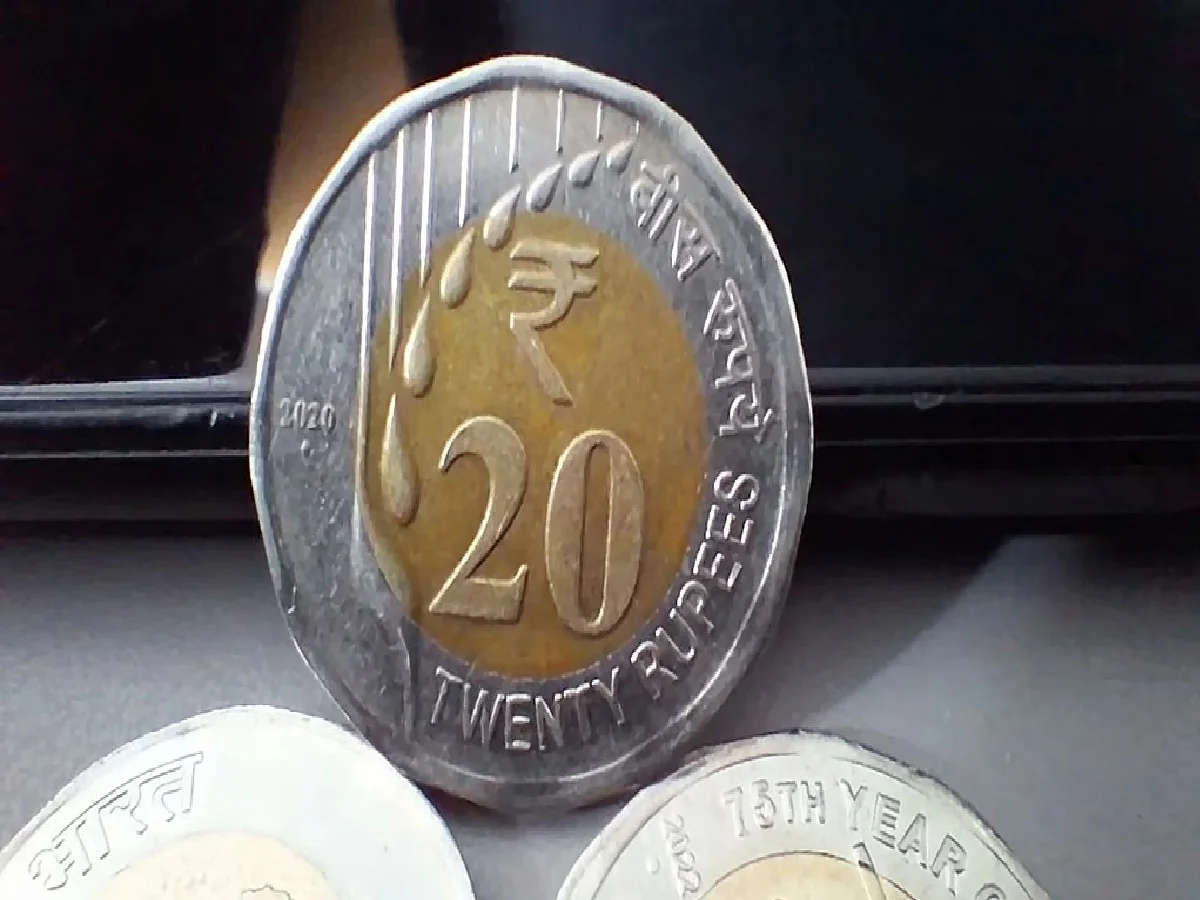
The 20 rupee coin often creates confusion among people and shopkeepers during market transactions. Many places even refuse to accept the coin, fearing it to be counterfeit. In such a situation, identifying genuine coins based on the design and technical standards set by the Reserve Bank of India (RBI) can make it easier.
5 Key Points to Check for a Genuine 20 Rupee Coin
Distinctive Shape with 12 Edges: The new 20 rupee coin differs from regular round coins. Its outer surface features 12 angles, or edges, that can be easily felt when held and touched.
Prescribed weight and diameter: According to RBI standards, a genuine 20 rupee coin weighs 8.54 grams and measures 27 millimeters in diameter. Any noticeable discrepancy in size or weight should raise suspicion.
Dual Metal Design: This coin is made from two different metals: nickel silver in the outer ring and nickel brass in the center, giving it a silvery white appearance on the outer ring and a golden hue in the center.
Clear engravings and numerals: The Ashoka Pillar, Satyameva Jayate, and the numeral 20 appear clearly and prominently in relief on genuine coins. Counterfeit coins may have blurred, uneven, or under-embossed letters or figures.
Finishing and Surface Condition: Counterfeit coins made from low-quality materials or polish may show signs of surface damage or discoloration. However, if you have serious doubts about a coin, it is advisable to seek final confirmation from a bank or the RBI.
PC: Navbharatlive