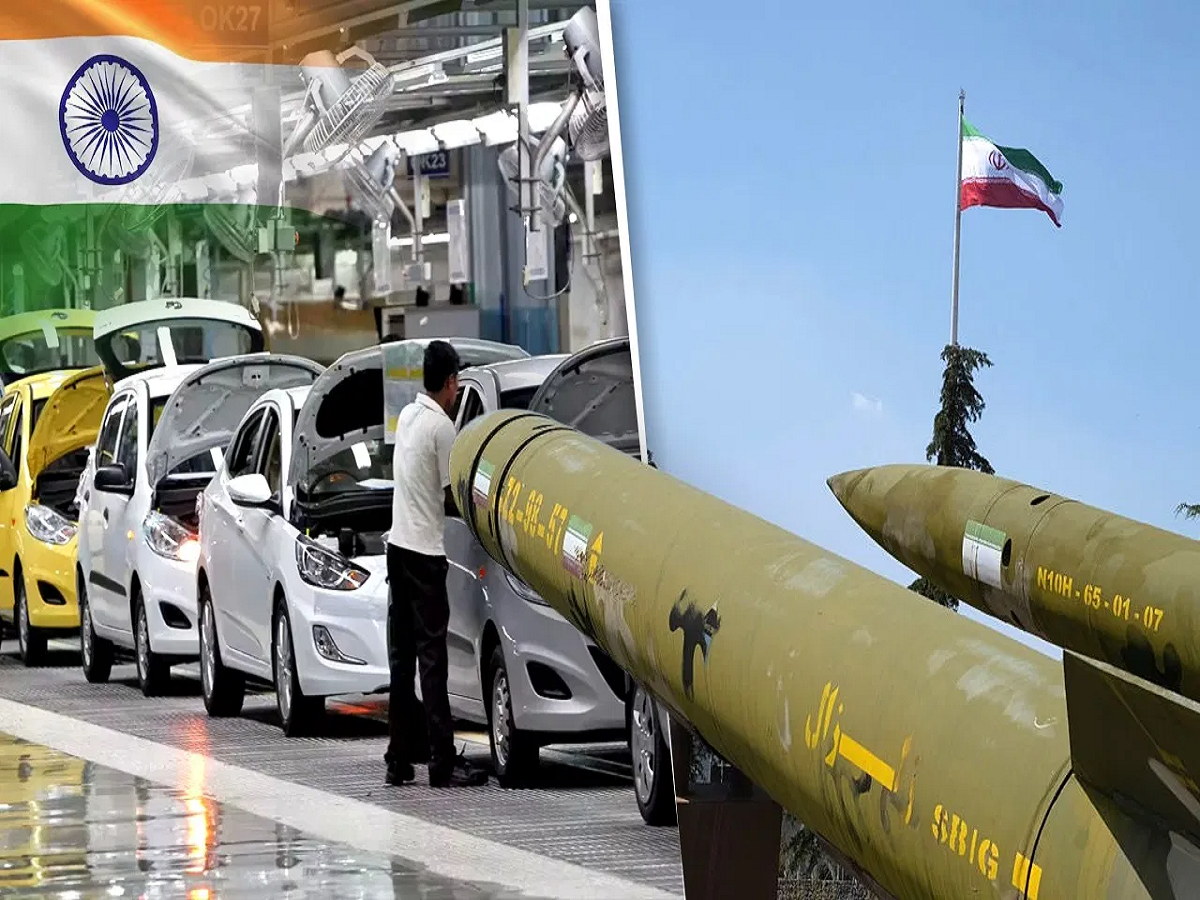
Despite record-breaking vehicle sales in March 2026, the Indian automobile industry is facing growing uncertainty due to the ongoing conflict in West Asia. Auto dealers have cautioned that a prolonged Iran war could significantly impact the sector in the coming months.
Rising Costs and Supply Chain Risks
The Federation of Automobile Dealers Associations (FADA) has flagged the war as a major concern, citing rising fuel and logistics costs across the supply chain. The conflict is also driving up prices of key raw materials such as aluminum, copper, and steel, which are essential for vehicle manufacturing.
Automakers, including Maruti Suzuki, have already indicated that continued increases in input costs may lead to higher vehicle prices for consumers.
Dealers Report Disruptions
A recent FADA survey highlights the growing strain on the industry:
- Over 50% of dealers reported supply or distribution disruptions
- Around 17.1% faced delays of more than three weeks
- 36.5% of dealers said rising fuel prices are affecting customer demand
The commercial vehicle segment has been the most impacted, though passenger vehicles and two-wheelers are also experiencing selective delays.
Inventory Levels Decline
Interestingly, showroom inventory levels have tightened. The average number of days a passenger vehicle remains in stock dropped to 28 days in March 2026, compared to 52 days a year earlier, marking the sixth consecutive month of decline. This reflects strong recent demand but also hints at supply-side constraints.
Strong Sales, Uncertain Future
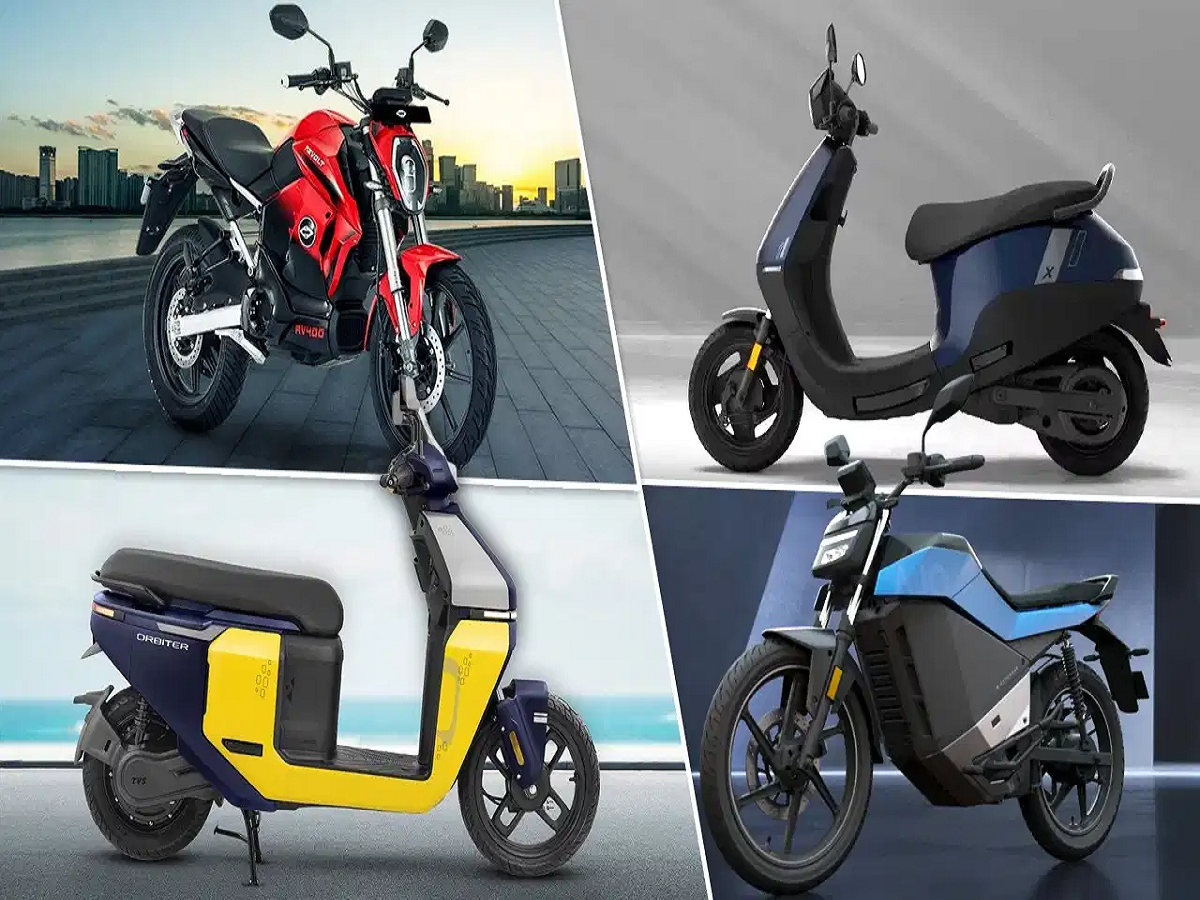
March 2026 saw robust growth, with overall vehicle sales rising 25.28%, including a 21.48% increase in passenger vehicles, 28.68% in two-wheelers, and 15.12% in commercial vehicles. Lower prices following GST changes also supported demand.
However, industry experts warn that if geopolitical tensions persist, the combination of rising costs, supply disruptions, and potential price hikes could slow down this momentum.