LIFESTYLE
India’s Hidden Treasures Make It to UNESCO’s Tentative List: Discover These 3 Remarkable Sites
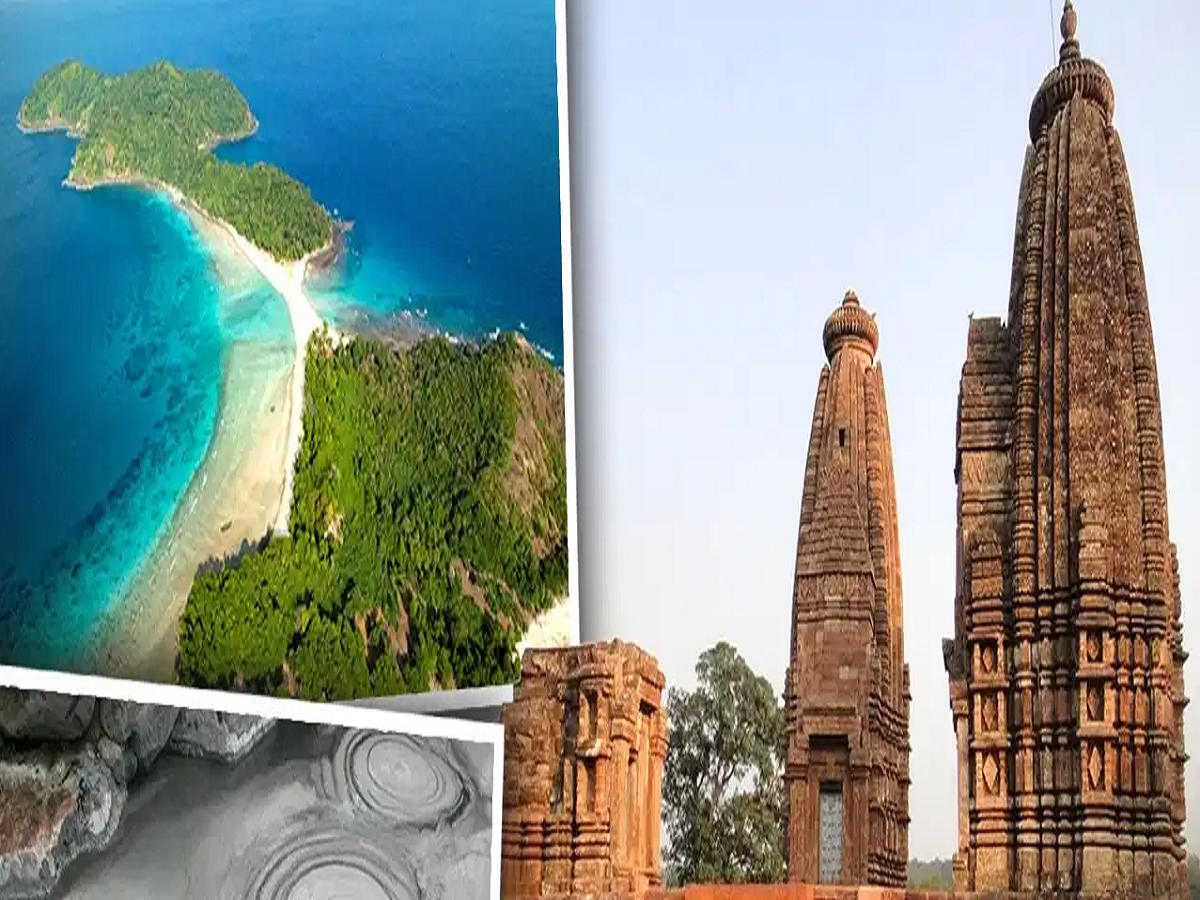
India’s rich history and extraordinary natural landscapes have gained fresh international attention, with three remarkable sites from the country being added to UNESCO’s World Heritage Tentative List. The sites include two fascinating geological destinations in the Andaman and Nicobar Islands and an ancient archaeological landscape in Chhattisgarh.
The announcement, made on October 20, marks an important first step towards possible World Heritage recognition. From mysterious mud volcanoes and volcanic islands to centuries-old temples and monasteries, these destinations showcase India’s remarkable natural and cultural heritage.
Here is a closer look at what makes each of these three sites special.
1. Baratang Mud Volcano and Karst Landscape, Andaman and Nicobar Islands
The Baratang region is known for its unusual geological formations, limestone caves, and mud volcanoes. Unlike conventional volcanoes that release molten rock, mud volcanoes push a mixture of mud, water, and gases towards the surface, creating distinctive mounds and bubbling formations.
The region’s limestone caves have developed over long periods as water gradually dissolves the underlying rock. Inside these caves, visitors can encounter striking natural formations shaped by geological processes.
Beyond their visual appeal, these landscapes are valuable for scientific research. The geological structures and cave formations can help researchers understand the region’s environmental history and long-term climatic changes.
The proposed heritage recognition highlights the importance of protecting these unusual natural features for future generations.
2. Andaman Subduction Volcanoes: Barren Island and Narcondam
The second entry highlights the volcanic landscapes of the Andaman Sea, particularly Barren Island and Narcondam. Although both islands are volcanic in origin, they offer very different natural environments.
Barren Island: India’s Active Volcano
Barren Island is home to India’s only confirmed active volcano. Its rugged terrain, dark volcanic rocks, and dramatic landscape reflect the powerful geological forces that have shaped the island over time.
Volcanic eruptions have been recorded here since the late eighteenth century. The island is also surrounded by marine ecosystems, making the wider region significant for geological and ecological studies.
Because of its volcanic activity and sensitive environment, access and activities around the island are subject to safety and regulatory considerations.
Narcondam: A Volcanic Island Rich in Wildlife
Narcondam presents a contrasting picture, with its green slopes and isolated ecosystem. One of its most remarkable inhabitants is the Narcondam hornbill, a rare bird found naturally only on this island.
Its isolation has allowed distinctive wildlife to thrive, making the island important for biodiversity conservation and scientific research.
Together, Barren Island and Narcondam demonstrate how volcanic processes can create landscapes that support very different ecosystems.
3. Sirpur Cultural and Archaeological Landscape, Chhattisgarh
Moving from natural wonders to India's ancient past, Sirpur in Chhattisgarh offers a fascinating glimpse into the country's architectural, religious, and cultural history.
Situated along the banks of the Mahanadi River in Mahasamund district, Sirpur flourished as an important settlement during the early medieval period. Archaeological remains reveal evidence of Hindu, Buddhist, and Jain traditions, reflecting the region's diverse religious heritage.
Lakshmana Temple: An Architectural Masterpiece
One of Sirpur's best-known monuments is the Lakshmana Temple, celebrated for its intricate brickwork, decorative carvings, and distinctive architectural design. It offers valuable insights into the craftsmanship and temple-building traditions of its period.
A Settlement Beyond Temples
Sirpur's importance extends beyond individual monuments. Archaeological discoveries point to a broader settlement featuring religious structures, residential areas, and evidence of craft production and other activities.
The remains of Buddhist monasteries and Jain structures further demonstrate the area's historical significance as a centre of religious and cultural exchange.
Its inclusion on UNESCO's Tentative List could help bring greater international attention to the site and strengthen efforts to preserve its archaeological heritage.
What Does Inclusion on UNESCO’s Tentative List Mean?
Being added to the Tentative List does not mean a site has already received UNESCO World Heritage status. It is an initial step in the nomination process, indicating that a country considers a site potentially suitable for future inscription.
The sites must undergo further evaluation and meet the relevant criteria before they can be officially recognised as World Heritage Sites.
The Bottom Line
From Baratang's extraordinary geological formations to the volcanic islands of the Andaman Sea and the ancient ruins of Sirpur, these three sites reveal the remarkable diversity of India's heritage.
Their inclusion on UNESCO's Tentative List is an encouraging development for conservation, research, and heritage tourism. It also offers an opportunity to draw greater attention to destinations that remain less familiar to many travellers but hold considerable scientific, historical, and cultural value.