SPORTS
India vs New Zealand: Where Did Team India Falter in the Middle Overs? Captain Shubman Gill Explains
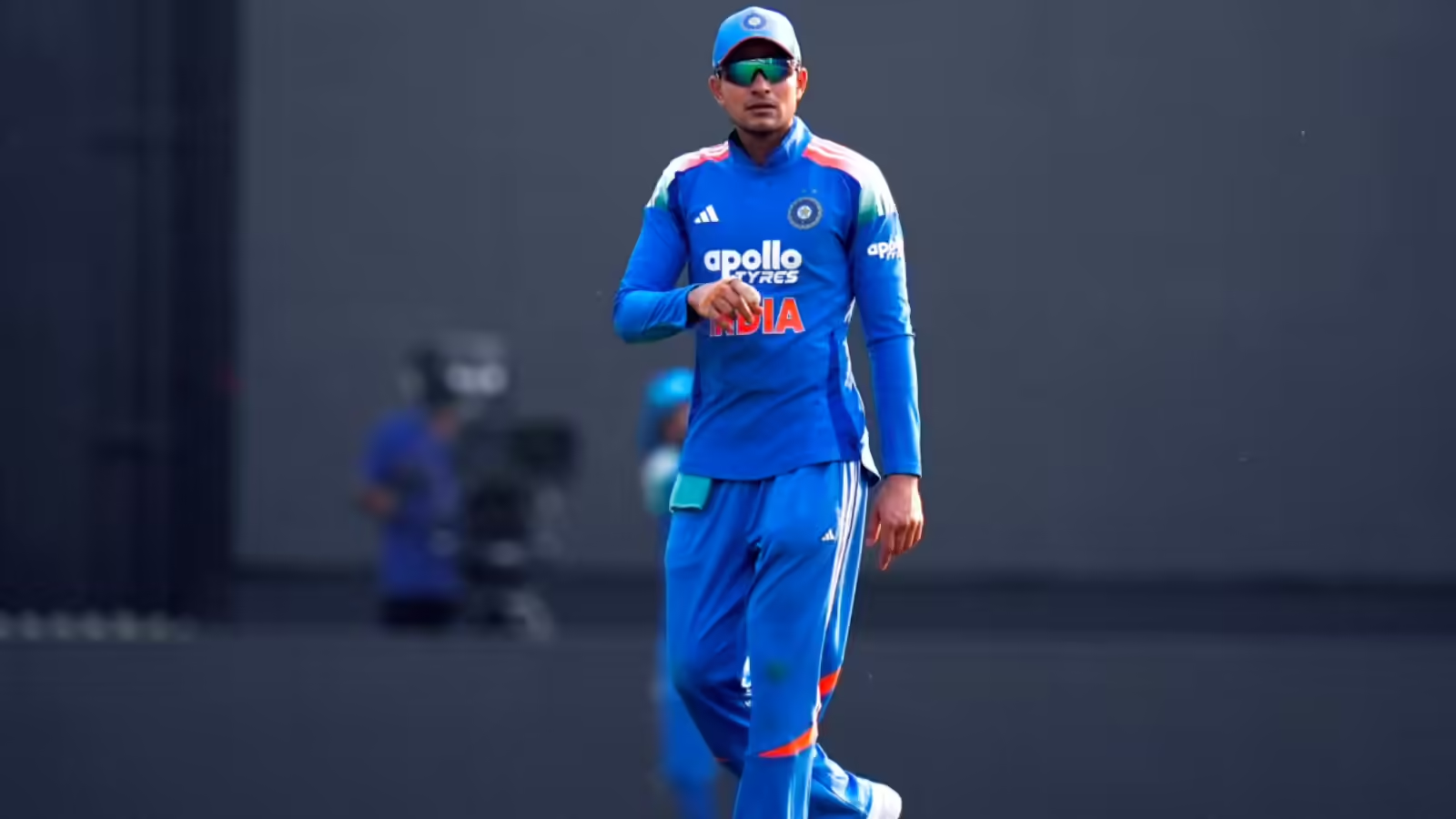
India’s hopes of sealing another strong performance against New Zealand were dashed after a disappointing defeat, despite a competitive total on the board. While the scoreboard suggested a fighting chance, the match slipped away during a crucial phase of the game—the middle overs. After the loss, Indian captain Shubman Gill spoke candidly about where things went wrong and why New Zealand managed to dominate the contest.
A Solid Start with the Bat, Led by KL Rahul
Batting first, Team India put up what appeared to be a respectable total. Senior batter KL Rahul anchored the innings with a calm and composed knock, registering his eighth ODI century. Rahul remained unbeaten on 112 runs, guiding India to 284 for 7 in their allotted 50 overs.
At the halfway stage, Indian fans believed the score was strong enough to challenge New Zealand, especially given the early assistance offered by the pitch to bowlers. However, cricket often hinges on execution in key phases—and that’s where India struggled.
New Zealand’s Chase Turns One-Sided
In response, New Zealand chased down the target with surprising ease. Daryl Mitchell played a sensational unbeaten innings of 131 runs, while Will Young provided excellent support with 87 runs. The duo stitched together a match-defining 162-run partnership for the third wicket, completely swinging the momentum in New Zealand’s favor.
Once Mitchell and Young settled in, the Indian bowlers found it increasingly difficult to apply pressure or create breakthroughs. What looked like a competitive match soon turned into a one-sided chase.
Shubman Gill Pinpoints the Turning Point
Speaking at the post-match presentation, captain Shubman Gill did not shy away from admitting India’s shortcomings. He clearly identified the middle overs as the phase where India lost control of the game.
Gill said that the inability to take wickets when five fielders were inside the circle proved costly. According to him, without regular breakthroughs in this phase, it becomes nearly impossible to defend even a challenging total. He added that even if India had scored 15–20 more runs, the result might not have changed unless the middle-overs partnerships were broken.
Partnerships Made the Difference
Elaborating further, Gill explained that on such pitches, once a batting partnership gets going, conditions heavily favor the set batters. New batters may struggle initially, but established players can score freely. New Zealand exploited this aspect perfectly.
India, on the other hand, failed to disrupt the rhythm of Mitchell and Young. The lack of wicket-taking options and conservative bowling during this phase allowed the partnership to flourish.
“We Needed to Be Braver,” Says Gill
Gill also spoke about the nature of the pitch. He noted that the first 10–15 overs offered swing and movement, which helped Indian bowlers apply early pressure. However, after around 20–25 overs, the pitch flattened out, making run-scoring much easier.
This, Gill admitted, was the moment when India needed to show more courage with the ball. He felt that the bowlers should have taken more risks to force mistakes rather than trying to contain runs. Along with bowling, Gill also highlighted concerns over fielding, pointing out that missed chances once again proved expensive.
“In international cricket, if you drop catches or miss opportunities, winning becomes extremely difficult,” he said.
New Zealand Captain Praises Team Effort
On the other side, a delighted New Zealand captain Michael Bracewell described the win as a complete team performance. He felt that restricting India to a manageable total was a big positive and praised his bowlers for executing their plans well.
Bracewell also lauded the composure shown by his batters under pressure. He reserved special praise for debutant bowler Jaden Lennox, stating that bowling in India on debut is never easy, but Lennox showed great character in difficult overs.
A Wake-Up Call for Team India
The defeat in Rajkot serves as a timely warning for Team India. While KL Rahul’s form is a major positive, concerns around middle-overs bowling and fielding lapses cannot be ignored. As the series progresses, all eyes will be on how Shubman Gill and his team respond to these challenges.
Correcting these issues will be crucial if India hopes to regain momentum and avoid similar setbacks in the matches to come.