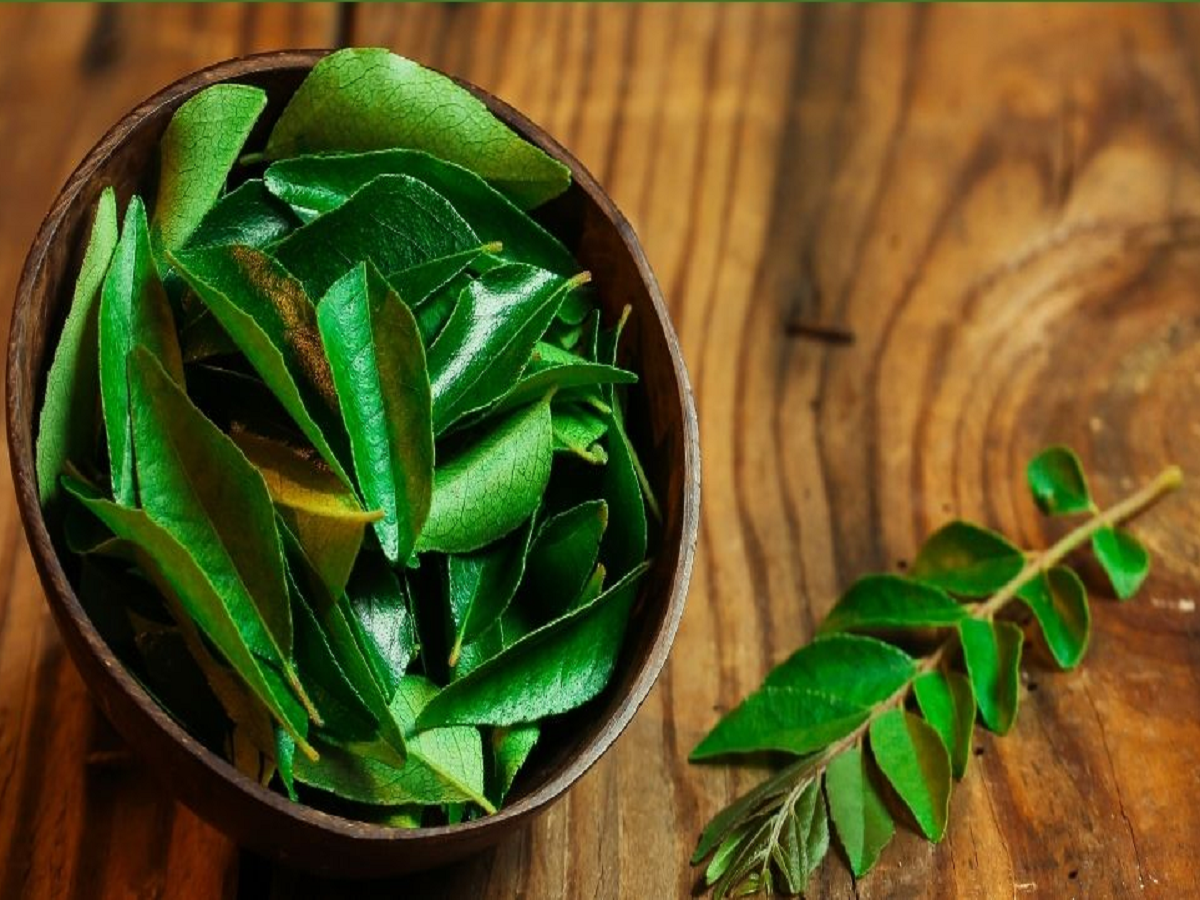
Curry leaves, an essential ingredient in Indian kitchens, are not only valued for their distinct aroma and flavor but also for their numerous health benefits. When it comes to global production, India ranks first in the world, dominating both cultivation and consumption of curry leaves.
India’s Stronghold in Production
India accounts for over 90% of the world’s curry leaf production, making it the undisputed leader in this niche segment. The plant, scientifically known as Murraya koenigii, thrives in tropical climates, which makes Indian conditions ideal for its large-scale cultivation.
The southern states—Tamil Nadu, Andhra Pradesh, and Karnataka—are the प्रमुख production hubs. From small household gardens to commercial farms, curry leaves are grown extensively across the country.
Limited Global Competition
Although curry leaves are used in various parts of the world, especially in regions with a significant Indian diaspora, global production remains limited. As a result, India continues to dominate both supply and demand, with most of the produce consumed domestically and some exported in fresh and dried forms.
Why Curry Leaves Are So Valuable
- Ayurvedic Importance: Widely used in traditional medicine to improve digestion, regulate blood sugar, and support hair health.
- Nutritional Powerhouse: Rich in iron, calcium, vitamins A, B, and C, along with antioxidants.
- Culinary Essential: A key ingredient in South Indian dishes like sambar, rasam, chutneys, and upma.
- Fast-Growing Plant: The plant matures quickly and can produce leaves for up to 20 years with proper care.
Growing Global Demand
Due to the popularity of Indian cuisine worldwide, curry leaves are increasingly exported to countries such as the United States, United Kingdom, UAE, and Singapore, where they are in high demand.