BUSINESS
India-Japan Trade Gets a Major Push: Why Piyush Goyal's Japan Visit Matters for Indian Businesses
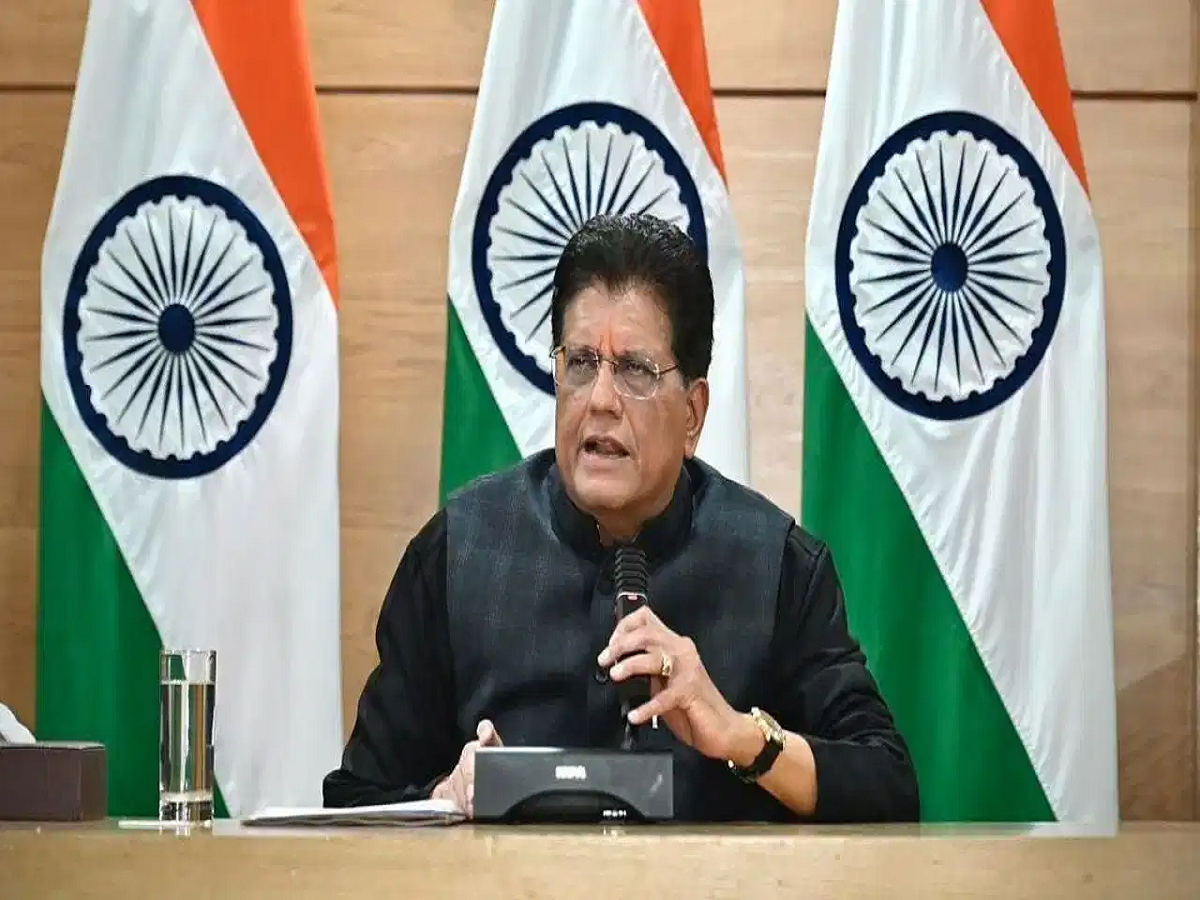
India and Japan are looking to take their economic partnership to a new level, with trade, investment, technology and manufacturing emerging as major areas of cooperation. Union Commerce and Industry Minister Piyush Goyal is leading a large Indian business delegation to Japan, with discussions focused on expanding investment and improving market access for Indian products.
Why is India focusing on Japan?
Japan is an important economic partner for India, but bilateral trade remains heavily tilted in Japan's favour.
During the financial year 2025-26, total trade between India and Japan stood at around $27.47 billion. India's imports from Japan were approximately $21.43 billion, while exports to Japan were only around $6.04 billion.
This means India has a significant trade deficit with Japan.
One of India's key objectives is therefore to increase exports to the Japanese market and provide Indian companies with greater opportunities to sell products there.
Piyush Goyal leads a major business delegation
Piyush Goyal's visit to Japan is aimed at taking discussions beyond government meetings and bringing Indian and Japanese businesses closer together.
More than 200 representatives are part of the delegation, which is expected to engage with companies and policymakers across major Japanese industrial centres, including Tokyo, Nagoya and Osaka.
The discussions are expected to focus on areas such as:
- Semiconductors
- Artificial intelligence
- Advanced manufacturing
- Critical minerals
- Clean energy
- New-age technologies
- Supply-chain development
- Industrial investment
The objective is to attract more Japanese investment into India while simultaneously helping Indian companies expand their presence in Japan.
India wants better access to the Japanese market
A major issue being discussed is India's limited exports to Japan compared with its imports.
Indian companies have opportunities in sectors such as engineering goods, pharmaceuticals, chemicals, textiles, food products and other manufactured goods. Greater access to Japanese consumers and businesses could help Indian exporters increase their presence in the country.
The review of the India-Japan Comprehensive Economic Partnership Agreement (CEPA) is therefore particularly important.
Japan's investment could benefit India's manufacturing sector
Japan has already been an important investor in India's infrastructure and manufacturing sectors. The two countries are now looking to expand cooperation into high-technology industries.
Japanese companies bring advanced technology, manufacturing expertise and capital, while India offers a large domestic market and an expanding industrial base.
Greater cooperation could result in new factories, technology partnerships, supply-chain projects and employment opportunities in India.
Uttar Pradesh is also attracting Japanese investment
The India-Japan economic relationship is not limited to the central government.
Uttar Pradesh has also been working to attract Japanese companies and investment. The Yamuna Expressway Industrial Development Authority region has emerged as one of the areas where Japanese-backed industrial projects are being developed.
Such investments can help create manufacturing clusters and strengthen connections between Indian suppliers and Japanese companies.
Technology and strategic cooperation are also growing
The relationship between India and Japan extends beyond traditional trade.
Both countries are increasingly focusing on strategic technologies and resilient supply chains. Semiconductors, artificial intelligence, critical minerals and clean energy are becoming important parts of their economic cooperation.
Defence and maritime cooperation are also gaining importance as the two countries work together on issues related to security in the Indo-Pacific.
What could this mean for India?
If the current plans translate into actual investments and higher exports, India could benefit in several ways.
More Japanese investment could strengthen India's manufacturing capabilities, while technology partnerships could help Indian companies enter advanced industries. At the same time, greater access to Japan could provide Indian exporters with a larger international market.
The biggest challenge, however, will be reducing the trade imbalance. India's Japan strategy is therefore not simply about attracting investment—it is also about making sure Indian businesses can sell more products in the Japanese market.