SPORTS
IND vs SL Galle Test: Can the Toss Decide the Match in Just 5 Seconds? Here's What the Numbers Say
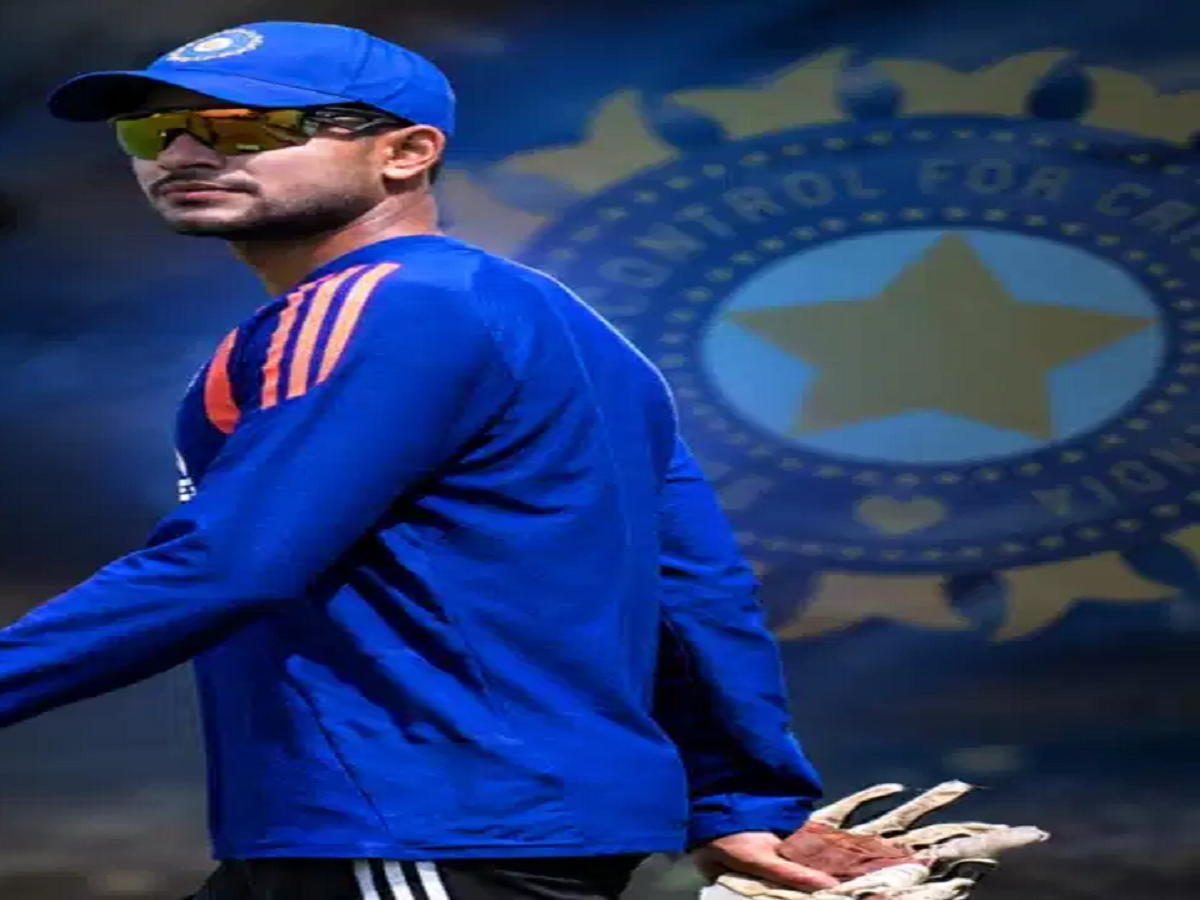
The India-Sri Lanka Test series is set to begin with the first match at Galle International Stadium on August 15, and the pitch is already one of the biggest talking points. Both teams are preparing hard, while India's bowling coach Morne Morkel has suggested that the surface could offer good batting conditions during the early stages of the Test.
But the bigger question is what happens as the match progresses.
Galle has traditionally been known for helping spin bowlers, particularly as the surface wears down. With India's recent struggles against quality spin and Sri Lanka enjoying home conditions, the toss could play an important role in determining how the Test unfolds. The two-match series is part of the World Test Championship, making the opening Test particularly important for both teams.
Why Could the Toss Be So Important at Galle?
Galle has historically rewarded teams that make the most of the early batting conditions. The pitch can become increasingly challenging for batters as the Test progresses, particularly when spinners begin extracting more turn.
That makes the decision at the toss important. If conditions are favourable for batting on the first morning, putting runs on the board could give a team a significant advantage before the pitch begins to deteriorate.
However, the toss alone does not decide a Test. The team's ability to capitalise on the conditions remains much more important.
The First Two Days Could Be Crucial
If the pitch behaves as expected, the first couple of days could provide the best opportunity for batters to build a large total.
For India, this will be particularly important because the team will need to negotiate Sri Lanka's spin attack carefully. Galle has traditionally offered assistance to spinners as matches progress, making shot selection and patience critical for visiting batters.
India's preparation has also been affected by several injury concerns ahead of the series, while the team is entering a new phase under captain Shubman Gill.
Why Could Day 3 Change Everything?
The surface at Galle is expected to become more spin-friendly as the Test progresses.
Once significant turn develops, batting in the fourth innings can become considerably more difficult. Chasing a challenging target on a deteriorating pitch therefore requires enormous concentration and technique.
This is why teams often prefer to make the most of favourable batting conditions early rather than leave themselves with a difficult fourth-innings chase.
Will Losing the Toss Put India in Trouble?
Not necessarily.
Losing the toss would certainly remove one potential advantage, but it would not automatically put India on the back foot. The match can still be controlled through disciplined bowling, partnerships, and smart batting.
India also have considerable experience playing spin-friendly conditions, and their own spin attack could become a major weapon as the Test progresses.
The real challenge will be avoiding a large first-innings deficit if Sri Lanka win the toss and choose to bat.
Is Shubman Gill's Toss Record Really the Biggest Concern?
The headline about the match being decided in "five seconds" is more dramatic than literal.
The toss takes only moments, but the result of a five-day Test cannot realistically be reduced to that single decision. A favourable toss can provide an advantage, especially at a venue such as Galle, but execution remains the decisive factor.
Shubman Gill will lead India in the Sri Lanka Tests, and the team will be hoping that conditions and preparation work in its favour. The series begins on August 15, with Galle hosting the opening Test.
What Could Decide the Galle Test?
Three factors could prove particularly important:
-
First-innings runs: A big total could put enormous pressure on the opposition.
-
Handling spin: Batters who defend patiently and rotate the strike could have a major advantage.
-
Fourth-innings pressure: Chasing runs on a deteriorating Galle surface could be extremely difficult.
So, while winning the toss could provide India or Sri Lanka with an important advantage, the match will not be decided in five seconds.
The real battle will begin after the coin goes up — and it could ultimately come down to which team handles Galle's changing conditions better over all five days.