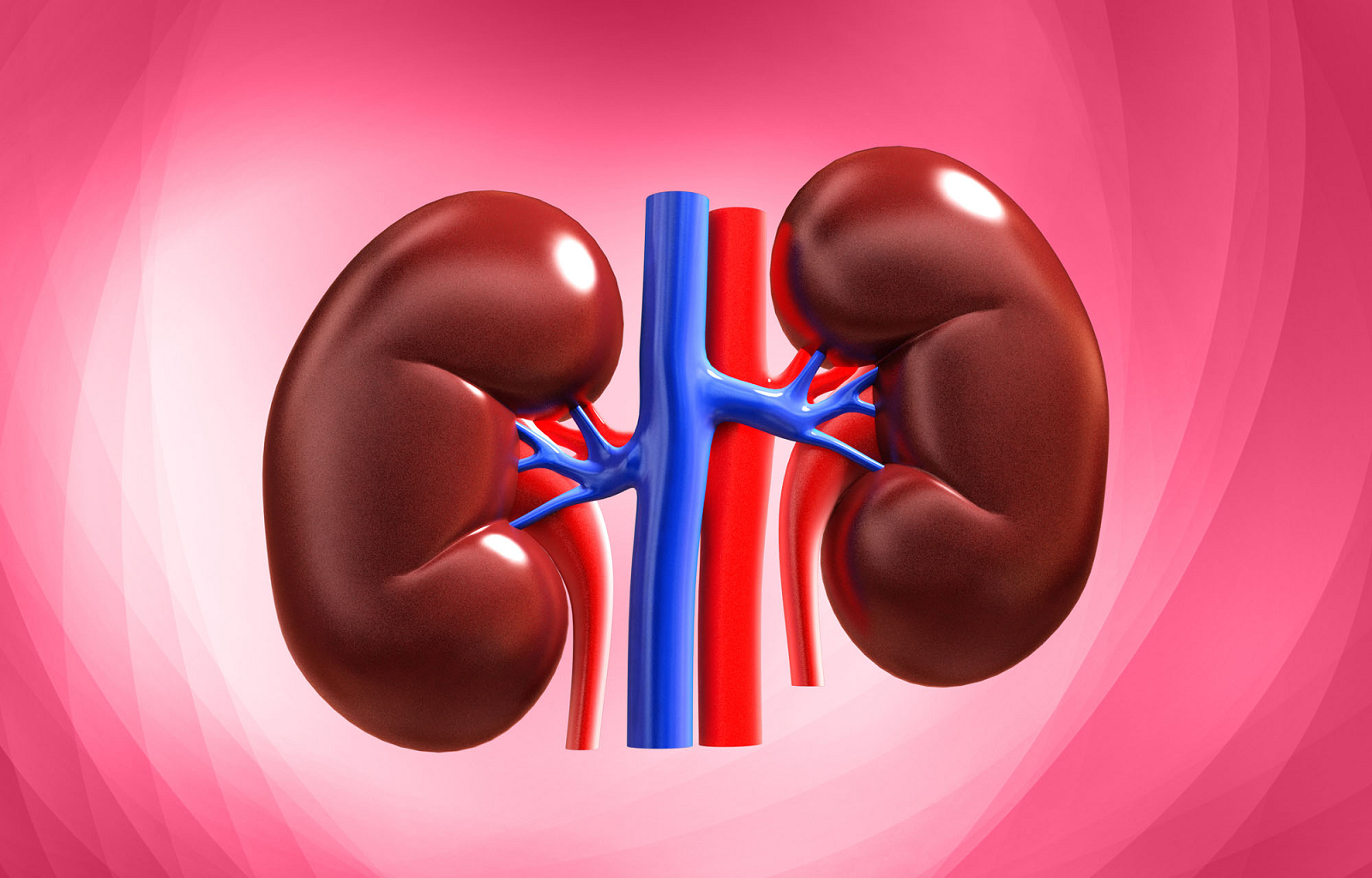
Kidney dialysis patients need to pay special attention to their diet and lifestyle to manage their health effectively. Dialysis helps remove toxins and excess fluid but requires a balanced intake of nutrients to prevent complications like fatigue, swelling, and weakness. Renal dietitian advice is crucial to tailor nutrition with careful control of protein, sodium, potassium, and phosphorus intake.
Protein is vital as dialysis can deplete it from the body. Patients are encouraged to consume adequate high-quality protein from sources like eggs, meat, milk, and pulses. However, balancing sodium is equally important, with recommendations to limit salt intake to under 2,000 mg daily to reduce water retention and blood pressure issues. Processed and packaged foods high in salt should be avoided.
Potassium, essential for heart and muscle function, must be kept within safe limits as excess potassium can disrupt heart rhythms. Patients should consume potassium-rich fruits and vegetables only as prescribed by their healthcare provider.
Phosphorus is another mineral to monitor since excess phosphorus weakens bones and affects the heart. Foods like dairy, nuts, and processed items are high in phosphorus and should be limited to less than 800 to 1,000 mg daily.
Fluid intake, including water, juices, tea, and soups, needs careful control to prevent swelling and high blood pressure due to fluid overload. Patients are recommended to limit fluid consumption based on their dialysis schedule and urine output.
In addition to diet, maintaining an active lifestyle with regular exercise and proper sleep enhances overall wellbeing. Managing weight and posture can reduce strain on the body. Patients should never neglect symptoms like severe pain and consult their nephrologist promptly.
Personalized dietary plans created with dietitians ensure the best outcomes. Dialysis is not merely a treatment but a part of a health-maintenance program demanding consistent care through nutrition and lifestyle adjustments.