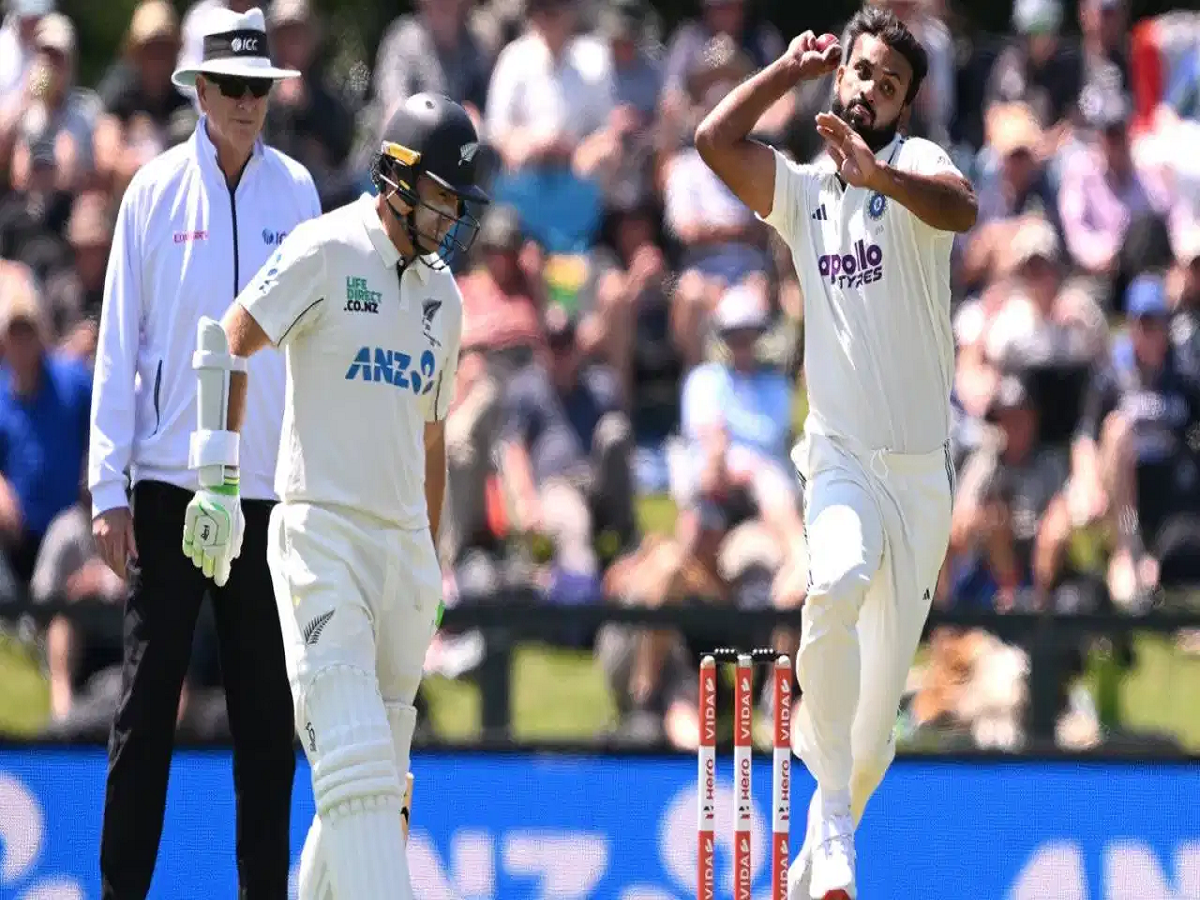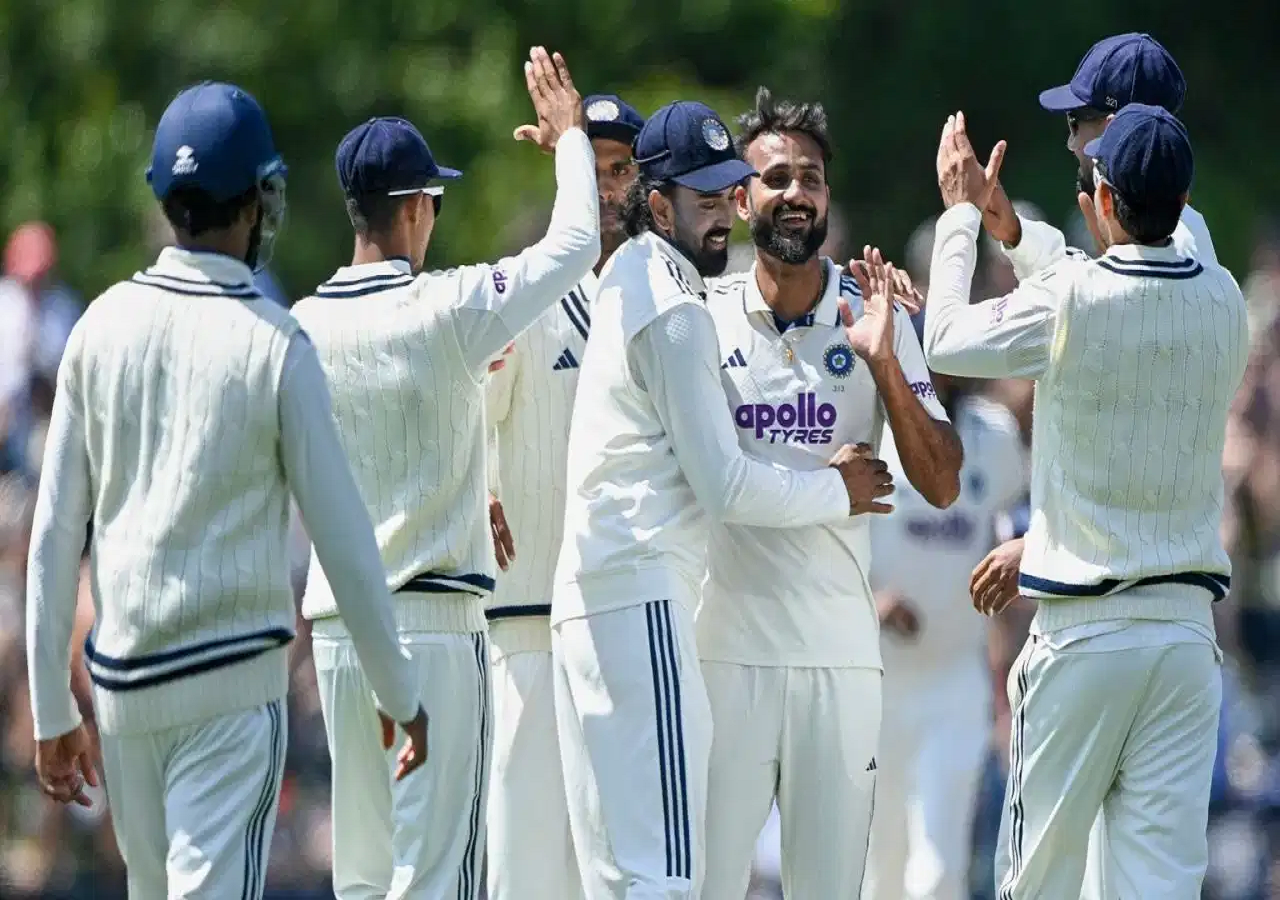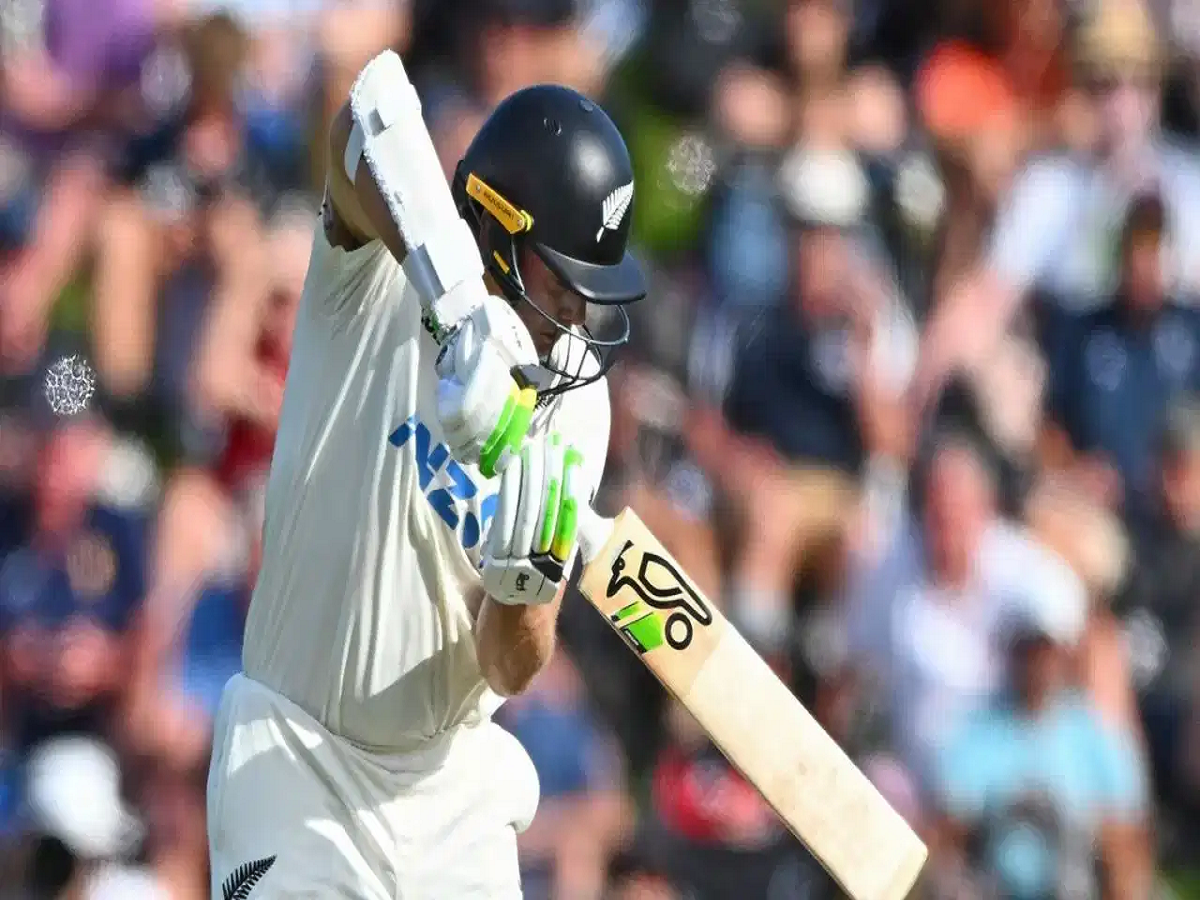
The International Cricket Council (ICC) has no immediate plans to lift the ban on using saliva to shine the cricket ball, despite India captain Shubman Gill raising the issue. The governing body has reportedly decided against reviewing the existing rule, maintaining that saliva could still pose a health risk to players and match officials.
The debate gained attention after the first Test between India and New Zealand ended in a draw at Wellington's Basin Reserve. Gill expressed concerns about the Kookaburra ball losing its hardness too quickly and argued that allowing players to use saliva could help bowlers maintain the ball's shine and improve their chances of getting movement.
However, the ICC does not appear ready to reconsider the restriction.
Why did the ICC ban saliva on the cricket ball?
The ICC introduced the saliva ban in 2020 as a precautionary measure during the COVID-19 pandemic. The objective was to reduce the possibility of virus transmission among players and match officials through contact with the ball.
Initially introduced as a temporary measure, the restriction was later made a permanent part of the ICC's playing conditions.
The decision also aligns with the Marylebone Cricket Club's (MCC) Laws of Cricket, which restrict the use of saliva and other substances to alter the condition of the ball.
Another concern is the difficulty of monitoring how saliva is used. Players could potentially combine it with substances such as sweets, chewing gum or mints, making it harder for umpires to ensure that the ball's condition is not being altered unfairly.
Why does the ICC believe saliva is still a threat?
The ICC's position is based on health and safety concerns. Saliva can potentially transmit infectious diseases, creating risks for players and match officials who handle the ball during a game.
Concerns about emerging variants of SARS-CoV-2 have also been cited in discussions surrounding the issue. The ICC appears keen to maintain the existing precautionary approach rather than introduce a rule change that could create additional health risks.
The matter was reportedly not discussed at the ICC meeting held in Bali earlier this month, suggesting that lifting the restriction is not currently a priority for the governing body.
What did Shubman Gill say about the saliva ban?
Following the Wellington Test, Gill questioned why players were still prohibited from using saliva despite the end of the COVID-19 emergency.
Expressing his frustration, he said, "I don't understand why we haven't been allowed to shine the ball yet – we're well past the COVID era."
He further pointed out that the restriction had been introduced during the pandemic and questioned why it continued to remain in place several years later.
Gill's concern is also linked to the condition of the Kookaburra ball. According to him, the ball tends to soften relatively quickly, making it difficult for fast bowlers to maintain their effectiveness as the match progresses. Allowing saliva could help players shine the ball and potentially assist bowlers in generating movement.
Why is the IPL different from international cricket?
Interestingly, the saliva restriction has already been lifted in the Indian Premier League (IPL), allowing players to use saliva to shine the ball under the tournament's playing conditions.
However, international cricket continues to follow the ICC's restrictions. This difference has brought the issue back into focus, particularly after Gill questioned the need for the rule to remain in place.
For now, bowlers will have to continue finding ways to maintain the ball's shine without using saliva. Unless the ICC changes its position, Gill's demand is unlikely to bring an immediate change to international cricket.