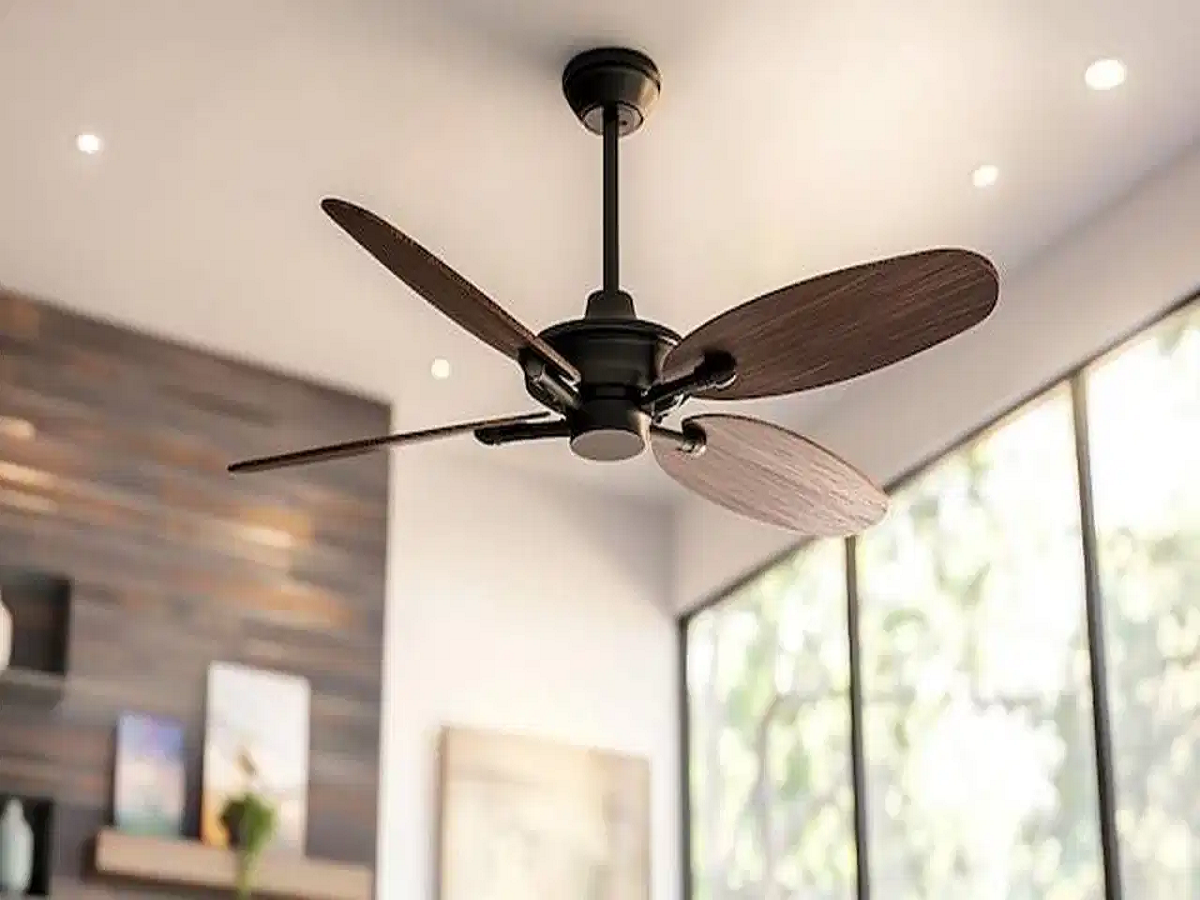
Ceiling fans have long been one of the most affordable ways to stay comfortable during hot weather. But fan technology has evolved considerably in recent years. Modern hybrid ceiling fans are designed to offer more than just airflow—they can also provide lower power consumption and, in some models, backup operation during power cuts.
However, the term "hybrid fan" does not always refer to the same technology. Different manufacturers may use the term for different combinations of power sources and features. Therefore, it is important to understand how these fans work before buying one.
What Is a Hybrid Ceiling Fan?
A hybrid ceiling fan is generally designed to operate using more than one power source or system.
Depending on the model, a fan may work with conventional AC electricity, an inverter or backup system, and in some cases a solar setup. Some hybrid fans also combine these capabilities with BLDC motor technology and smart controls.
This means buyers should not choose a fan simply because it is advertised as "hybrid." The actual power source, motor type and backup mechanism should be checked before making a purchase.
How Does BLDC Technology Work?
Many modern energy-efficient fans use BLDC, or Brushless DC, motors.
Unlike conventional induction motors, BLDC motors use electronic circuits to control the motor's operation and speed. This allows the fan to adjust its performance more efficiently according to the selected speed.
One of the major advantages is that BLDC fans can deliver strong airflow while consuming considerably less electricity than many traditional fans.
Lower Power Consumption Can Reduce Electricity Costs
For households where fans operate for several hours every day, electricity consumption can make a noticeable difference to the monthly bill.
Energy-efficient BLDC fans generally require less power to operate than conventional induction-motor fans. As a result, using them for long periods can help reduce the electricity consumed by ceiling fans.
The actual savings will depend on factors such as the fan's rated power, daily usage, electricity tariff and operating speed.
How Do Hybrid Fans Work During Power Cuts?
Some hybrid fans are designed to work with an inverter or dedicated backup power system. When the main electricity supply is unavailable, the fan can continue operating using the connected backup source.
However, this capability is not available in every hybrid fan.
Some models may require a separate inverter, battery system or controller, while others may be designed specifically to work with certain backup systems. Buyers should therefore check the manufacturer's specifications before assuming that a fan will automatically continue running during a power cut.
Can a Hybrid Fan Run on Solar Power?
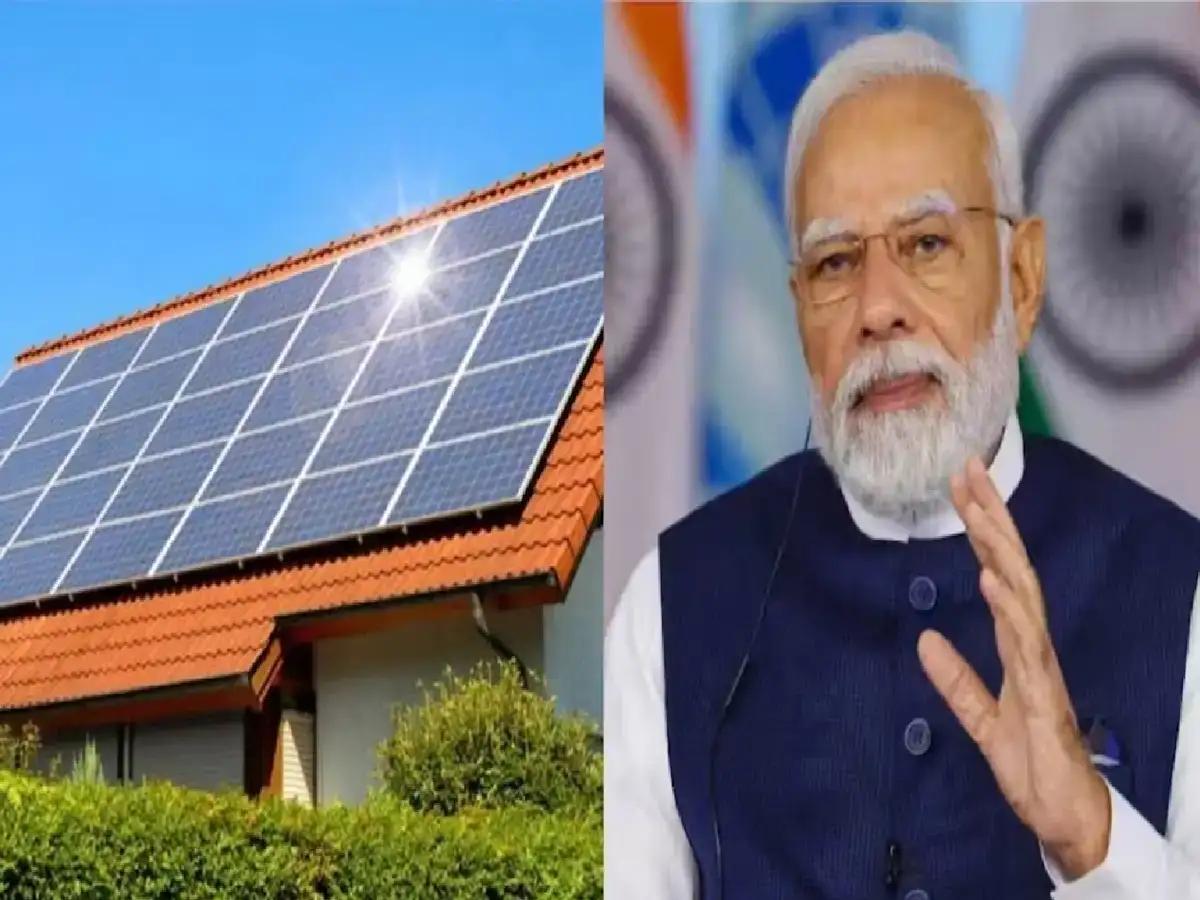
Certain models can also be integrated with solar power systems.
If you are planning to connect a fan directly to a solar setup, check whether the fan supports DC input and whether a separate controller or inverter is required.
The compatibility between the fan, solar panel, controller and battery system is important. Simply having a "hybrid" label does not guarantee direct solar compatibility.
What Should You Check Before Buying One?
Before purchasing a hybrid ceiling fan, consider these factors:
-
Motor technology, particularly whether it uses a BLDC motor.
-
Rated power consumption.
-
Supported power sources.
-
Backup or inverter compatibility.
-
Solar compatibility, if required.
-
Battery and backup requirements.
-
Air delivery and fan speed.
-
Warranty and after-sales support.
Is a Hybrid Fan Worth Buying?
A hybrid or BLDC ceiling fan can be a useful option for households that want lower electricity consumption and additional flexibility during power cuts.
However, the benefits depend heavily on the specific model and its power system. Instead of choosing a fan based only on the "hybrid" label, compare its actual power consumption, motor technology, backup compatibility and installation requirements.
Choosing the right model can give you efficient cooling during normal operation while also providing greater convenience when the electricity supply is interrupted.