TECH
Human Brain Computing May Challenge AI as Scientists Develop Data Centers Powered by Living Cells
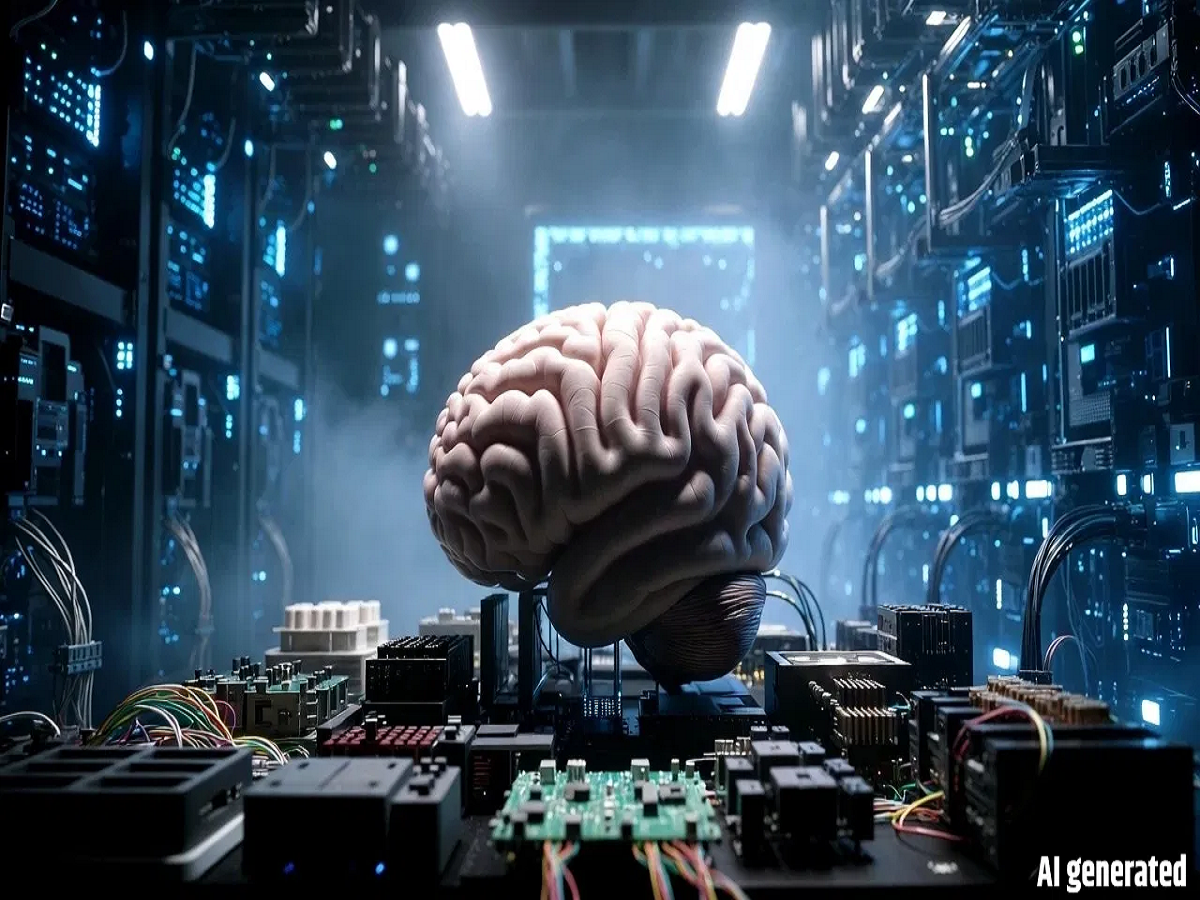
As the use of artificial intelligence expands rapidly around the world, the demand for large-scale data centers is increasing at an unprecedented pace. However, this growth has also raised concerns about high electricity consumption and environmental impact. In response, scientists are exploring a completely new form of computing that uses living human brain cells.
Australian biotechnology company Cortical Labs has introduced a unique concept of a biological data center that operates using neurons derived from human cells.
Biological Data Centers Powered by Brain Cells
According to reports, Cortical Labs has unveiled its first biological data center in Melbourne. The company is also planning a similar facility in Singapore in partnership with DayOne Data Centers.
Unlike conventional facilities filled with servers and processors, these new centers will use biological computing units known as CL1. These units rely on living human neurons to perform certain computational tasks, marking a major experimental shift in computing technology.
How the Technology Works
The neurons used in these systems are developed from stem cells and placed on specialized chips. These chips send electrical signals to the neurons and receive responses from them.
Software then interprets these responses as computing outputs. Essentially, the system attempts to harness the learning and processing abilities of human brain cells to carry out data-related tasks.
A Response to Growing AI Infrastructure Demands
The rapid rise of AI technologies has significantly increased the need for large data centers, which consume massive amounts of electricity and water for cooling. Governments and technology companies are therefore searching for more energy-efficient computing alternatives.
Cortical Labs claims that its biological computing systems consume far less power than traditional AI processors.
Extremely Low Energy Consumption
According to the company’s founder and CEO Hon Weng Chong, a single CL1 computing unit can operate using less power than a handheld calculator.
The initial data center in Melbourne is expected to house around 120 CL1 units, while the planned facility in Singapore could gradually expand to around 1,000 units.
A New Direction for Future Computing
Although this technology is still in the early stages of development, researchers believe biological computing could open a new frontier in data processing. If successful, it may lead to more efficient and environmentally sustainable computing systems, potentially reshaping the future of artificial intelligence infrastructure.