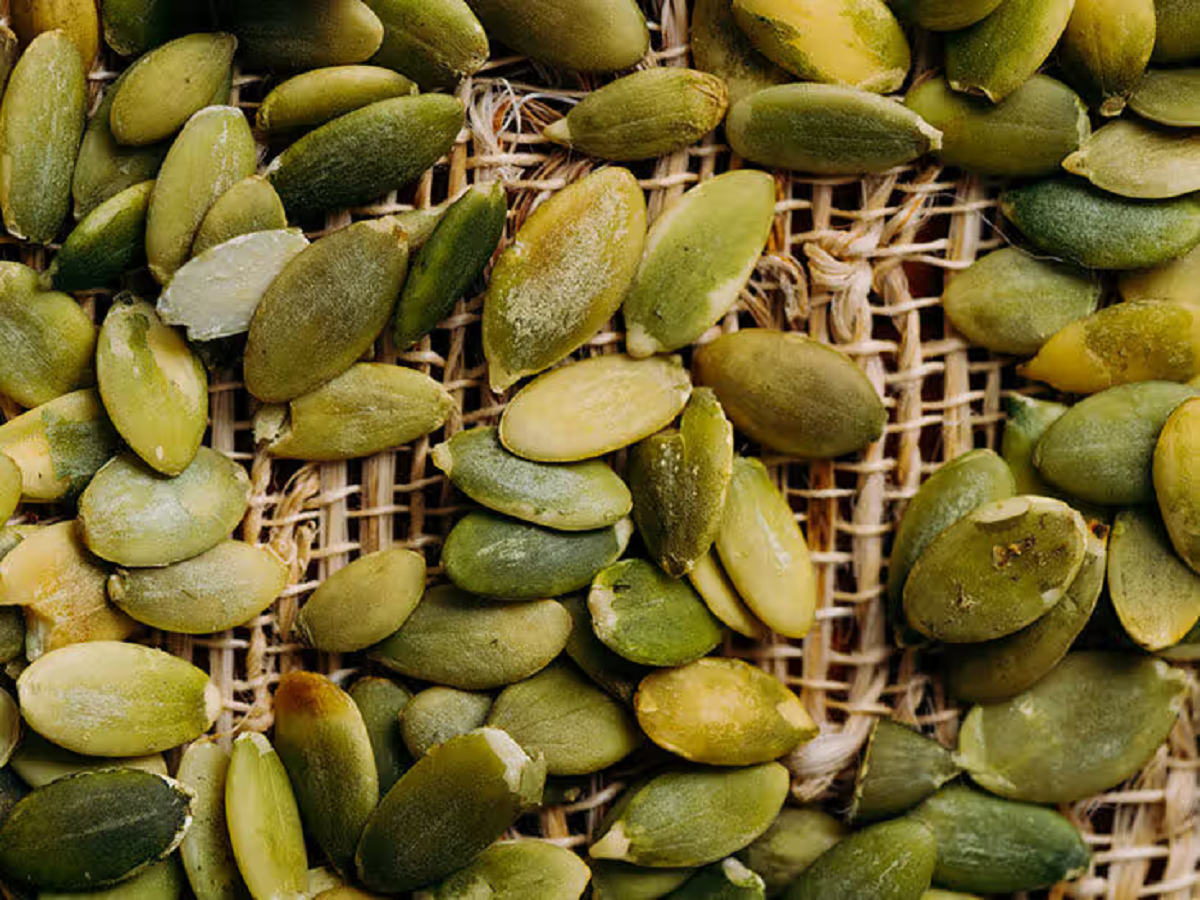
Pumpkin seeds may be small in size, but they are packed with nutrients and flavour. Their crunchy texture and mildly nutty taste often make it easy to overindulge. Rich in protein, healthy fats, fibre and essential minerals, pumpkin seeds can be a valuable addition to a balanced diet. However, like any nutrient-dense food, excessive consumption can lead to unwanted side effects.
Nutritional Benefits of Pumpkin Seeds
Pumpkin seeds are known for their impressive nutritional profile. They contain:
-
Protein, which supports muscle repair and overall body function
-
Healthy fats, beneficial for heart health
-
Magnesium, essential for nerve and muscle function
-
Zinc, important for immunity and wound healing
-
Fibre, which aids digestion
When eaten in moderation, they can contribute to improved heart health, better digestion and enhanced immunity.
Side Effects of Overeating Pumpkin Seeds
While beneficial in appropriate amounts, consuming too many pumpkin seeds at once may cause discomfort.
1. Bloating and Gas
Pumpkin seeds are high in fibre. Although fibre promotes digestive health, excessive intake can overwhelm the digestive system, resulting in bloating and gas.
2. Constipation or Diarrhoea
The seeds contain both soluble and insoluble fibre. Too much insoluble fibre may accelerate bowel movement, leading to diarrhoea. On the other hand, insufficient water intake alongside high fibre consumption can cause stool to harden, resulting in constipation.
3. Abdominal Cramps and Indigestion
Pumpkin seeds have a firm outer shell, and their fat content requires more time to digest. If not chewed properly, they may lead to stomach cramps or indigestion. Individuals with sensitive digestive systems may experience increased acidity.
4. Excess Calorie Intake
Despite their health benefits, pumpkin seeds are calorie-dense. One cup of roasted pumpkin seeds contains approximately 285 calories. Regular overconsumption can contribute to unintended weight gain.
5. Increased Sodium Intake
Many commercially available pumpkin seeds are salted. Excess consumption may elevate sodium levels in the body, potentially causing water retention, swelling and increased thirst.
6. Mineral Imbalance
Pumpkin seeds are rich in zinc and magnesium. However, consuming excessive amounts of zinc over a prolonged period may interfere with copper absorption, potentially leading to a mineral imbalance.
What Is the Recommended Daily Intake?
Health experts generally recommend consuming about 30 grams (approximately one-quarter cup) of pumpkin seeds per day. This portion provides essential nutrients without overburdening the digestive system.