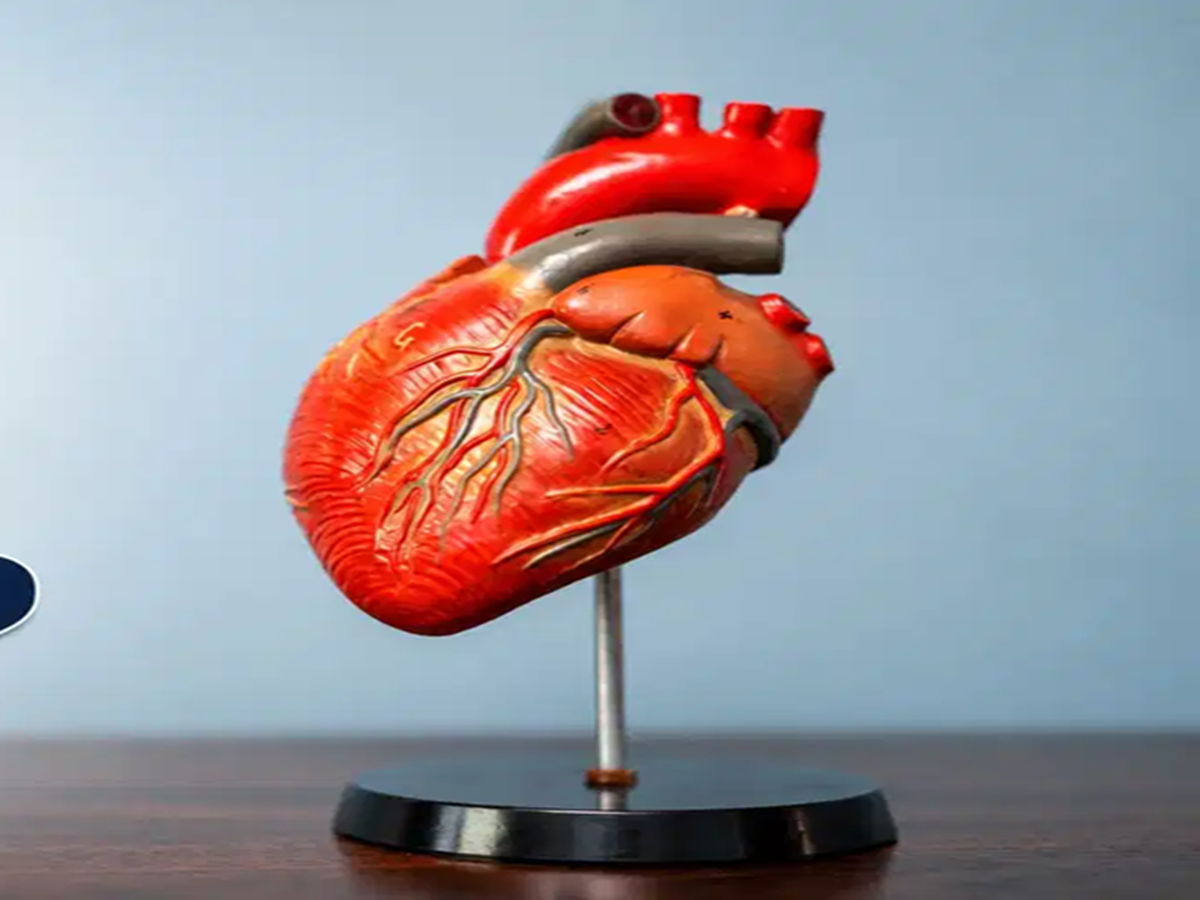
A healthy heart is the foundation of a healthy life. It continuously pumps blood and oxygen throughout the body, allowing every organ to function properly. However, heart-related diseases are becoming increasingly common, and many people only begin caring for their heart after experiencing a health issue. The good news is that adopting healthy habits early can significantly lower the risk of serious heart conditions in the future.
Simple lifestyle changes can help protect your heart from problems such as heart attack, heart failure, coronary artery disease, and stroke. Here's what you should do—and what you should avoid—to maintain good heart health for years to come.
Healthy Habits That Support Heart Health
A balanced diet and an active lifestyle play a key role in keeping the heart healthy. Include plenty of fruits, green leafy vegetables, whole grains, pulses, beans, nuts, seeds, low-fat dairy products, and fish in your daily meals. These foods provide fiber, vitamins, minerals, and healthy fats that support cardiovascular health.
Along with eating well, make physical activity a part of your daily routine. Aim to maintain a healthy body weight, get enough quality sleep every night, and keep conditions such as high blood pressure, diabetes, and high cholesterol under control. Regular health check-ups can also help detect potential problems before they become serious.
Habits That Can Harm Your Heart
Certain lifestyle choices can increase the risk of heart disease over time. Smoking and tobacco use are among the biggest threats to heart health and should be completely avoided.
Try to limit foods high in salt, sugar, unhealthy fats, and processed ingredients. Sitting for long hours without physical activity can also negatively affect your heart. If you consume alcohol, do so in moderation or avoid it altogether. In addition, chronic stress and poor sleep can put extra strain on the heart, making stress management and proper rest equally important.
Heart Warning Signs You Should Never Ignore
Your body often gives early signals when something is wrong with your heart. Seek medical attention if you experience:
-
Chest pain, pressure, or a feeling of heaviness
-
Shortness of breath
-
Unusual tiredness after minimal physical activity
-
Dizziness or fainting
-
Rapid, irregular, or pounding heartbeat
-
Swelling in the feet, ankles, or legs
These symptoms may indicate an underlying heart condition that requires prompt medical evaluation. Early diagnosis and timely treatment can help prevent serious complications and improve long-term heart health.
A Healthy Lifestyle Is the Best Protection
Protecting your heart doesn't require drastic changes overnight. Eating nutritious foods, staying physically active, managing stress, sleeping well, and avoiding harmful habits can make a significant difference over time. By taking care of your heart every day, you can reduce the risk of future health problems and enjoy a healthier, more active life.